SLOW FABRIC Indigo Exhibition藍染
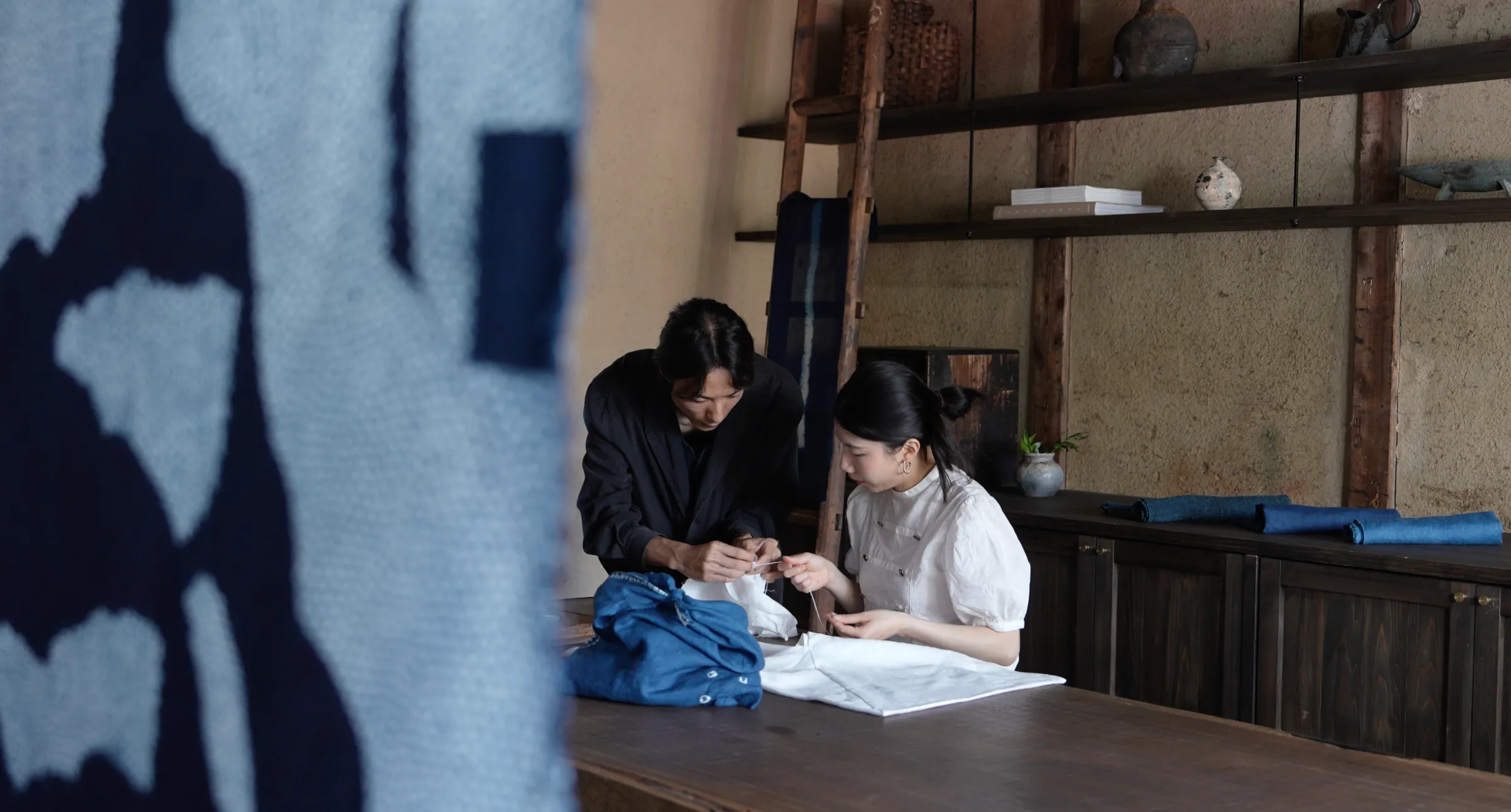
For the first time in Kyoto, indigo artists Yusuke Miura and Takuma Shimada will exhibit their work at Maana Atelier. Alongside the gallery, experience indigo with the artists through shibori techniques.
Limited experiences tied to Kyoto’s rhythms. Available only during their natural season.

For the first time in Kyoto, indigo artists Yusuke Miura and Takuma Shimada will exhibit their work at Maana Atelier. Alongside the gallery, experience indigo with the artists through shibori techniques.

Spend a summer evening at a private tea house with a traditional tea ceremony and a seasonal meal. Thin tea and thick tea served alongside wagashi, then a multi-course dinner on the engawa as the garden settles into dusk.
Hands-on encounters with Kyoto’s living traditions — tea, craft, cuisine, and material culture. Open to anyone, with priority booking for Maana guests.

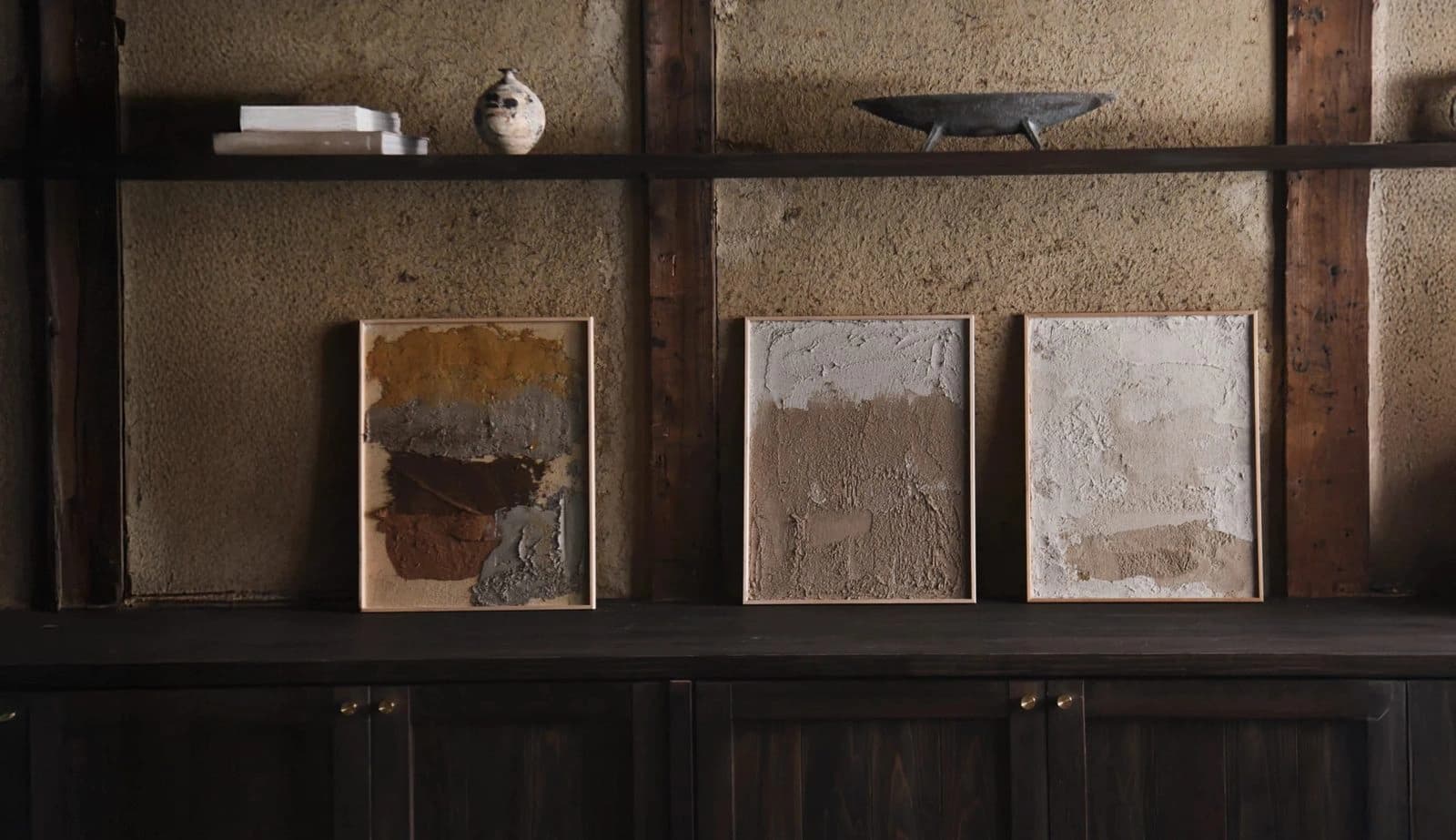
Make your own art panel using Tsuchikabe — a traditional machiya wall material of clay, rice straw, sand, and seaweed.
View details→
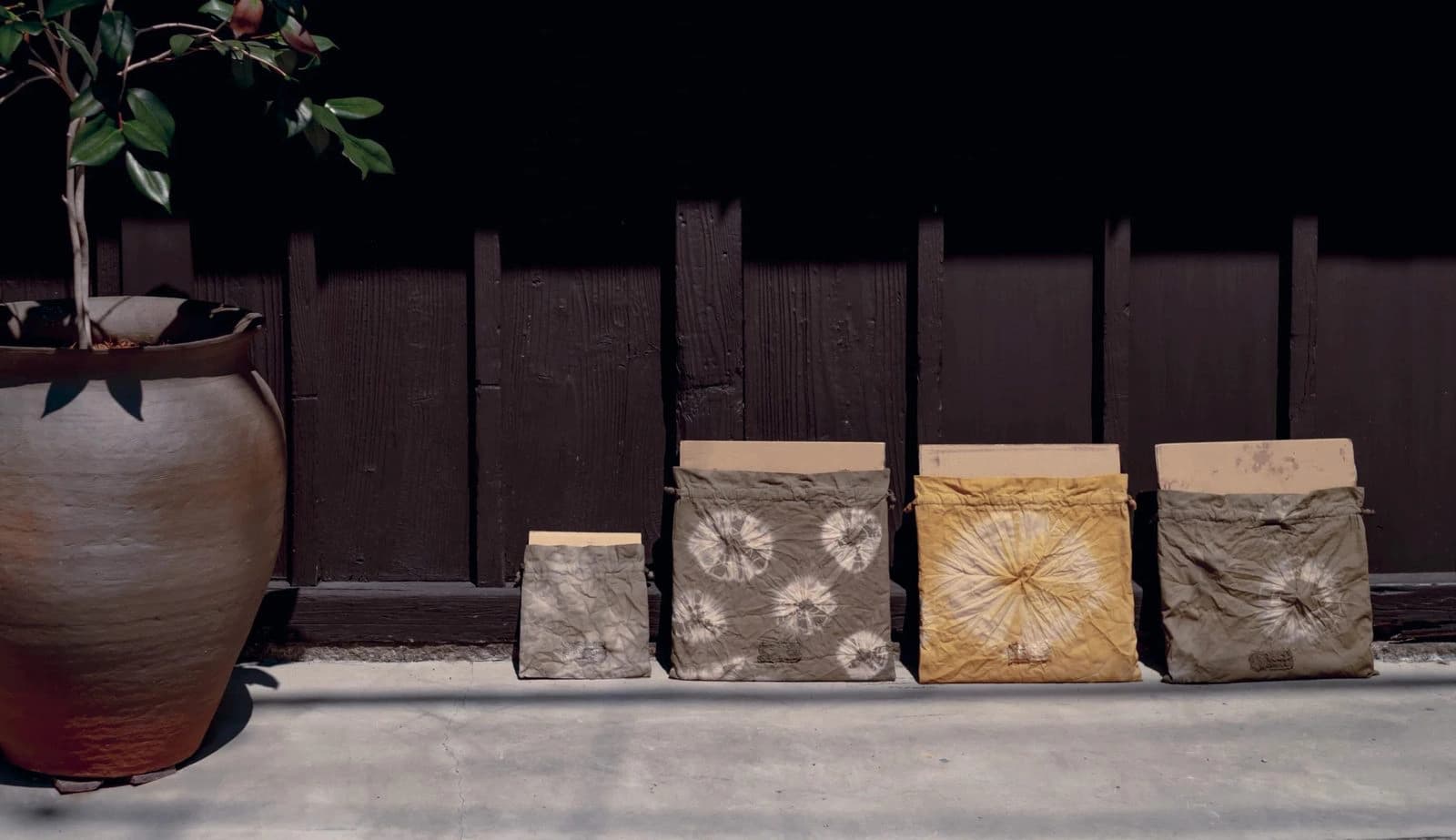
Dye textiles using spent tea leaves and traditional methods. Take home your own tea-dyed cloth.
View details→
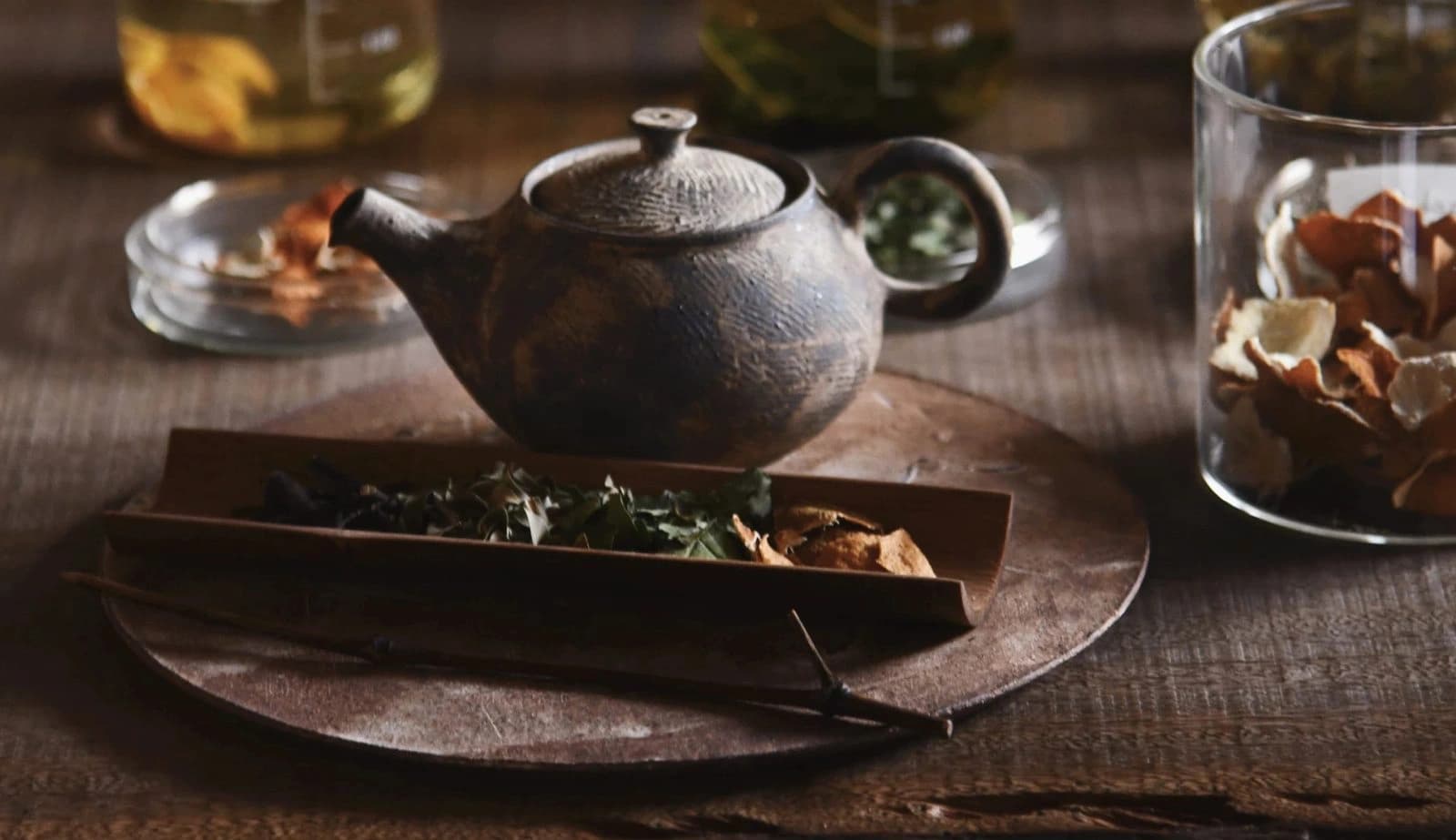
Make a tea blend from foraged and farmed ingredients reflecting the current microseason — and enjoy additional tastings with cookies.
View details→
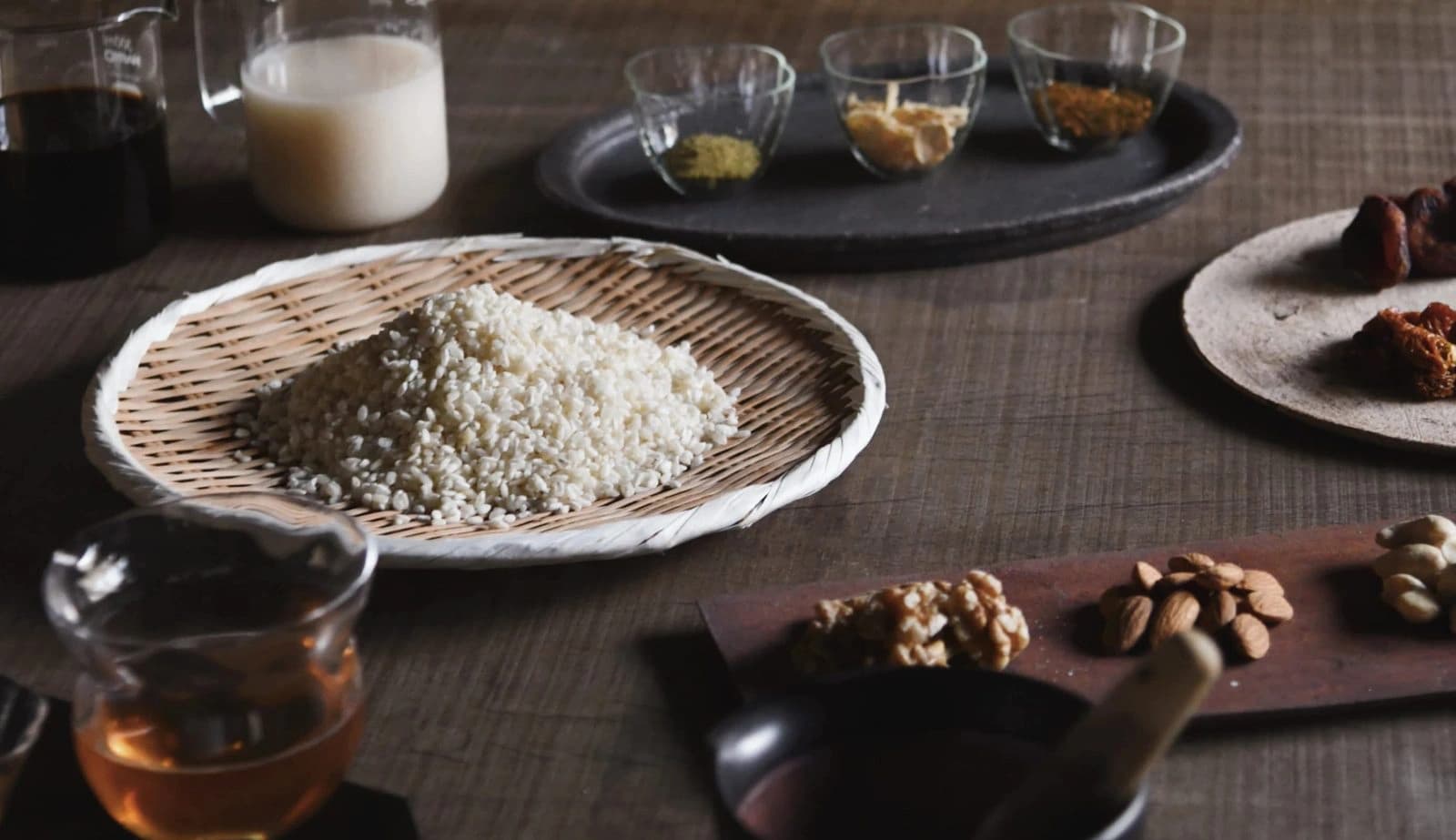
Make two seasonal pantry staples using traditional fermentation and preservation techniques.
View details→
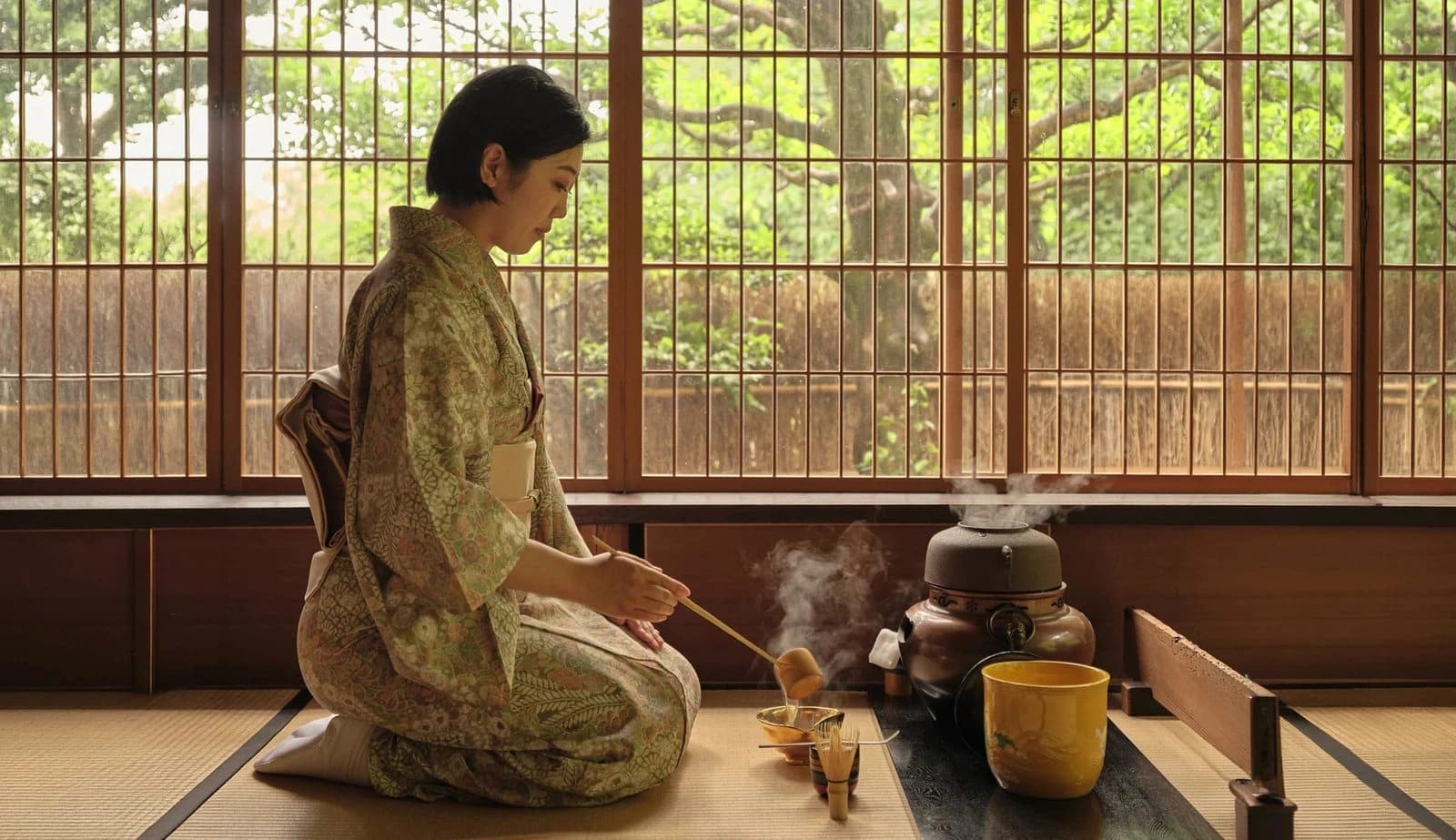
Start the morning in a serene private tea house, where Tea master Eriko invites you to a traditional Japanese breakfast and tea ceremony.
View details→
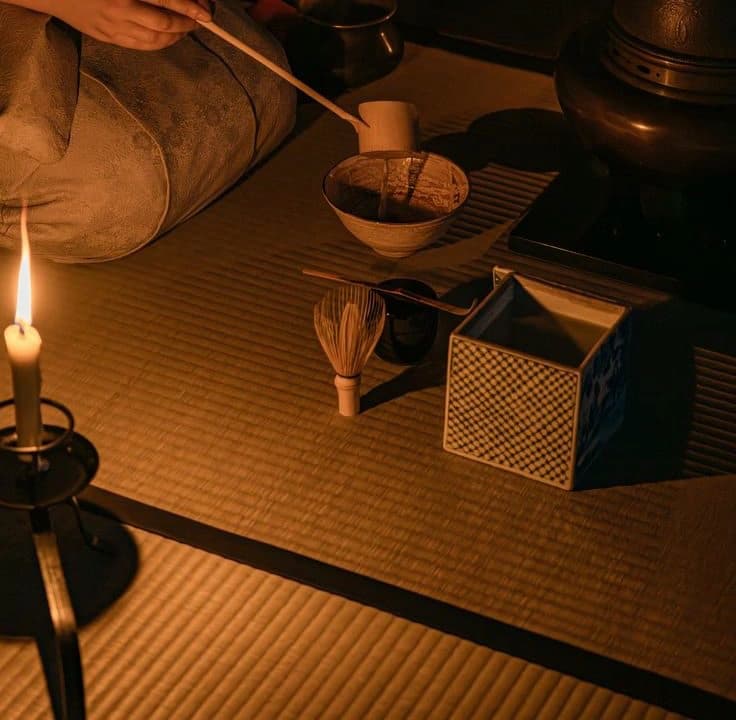
A candlelit evening tea ceremony followed by a seasonal multi-course dinner on the engawa.
View details→
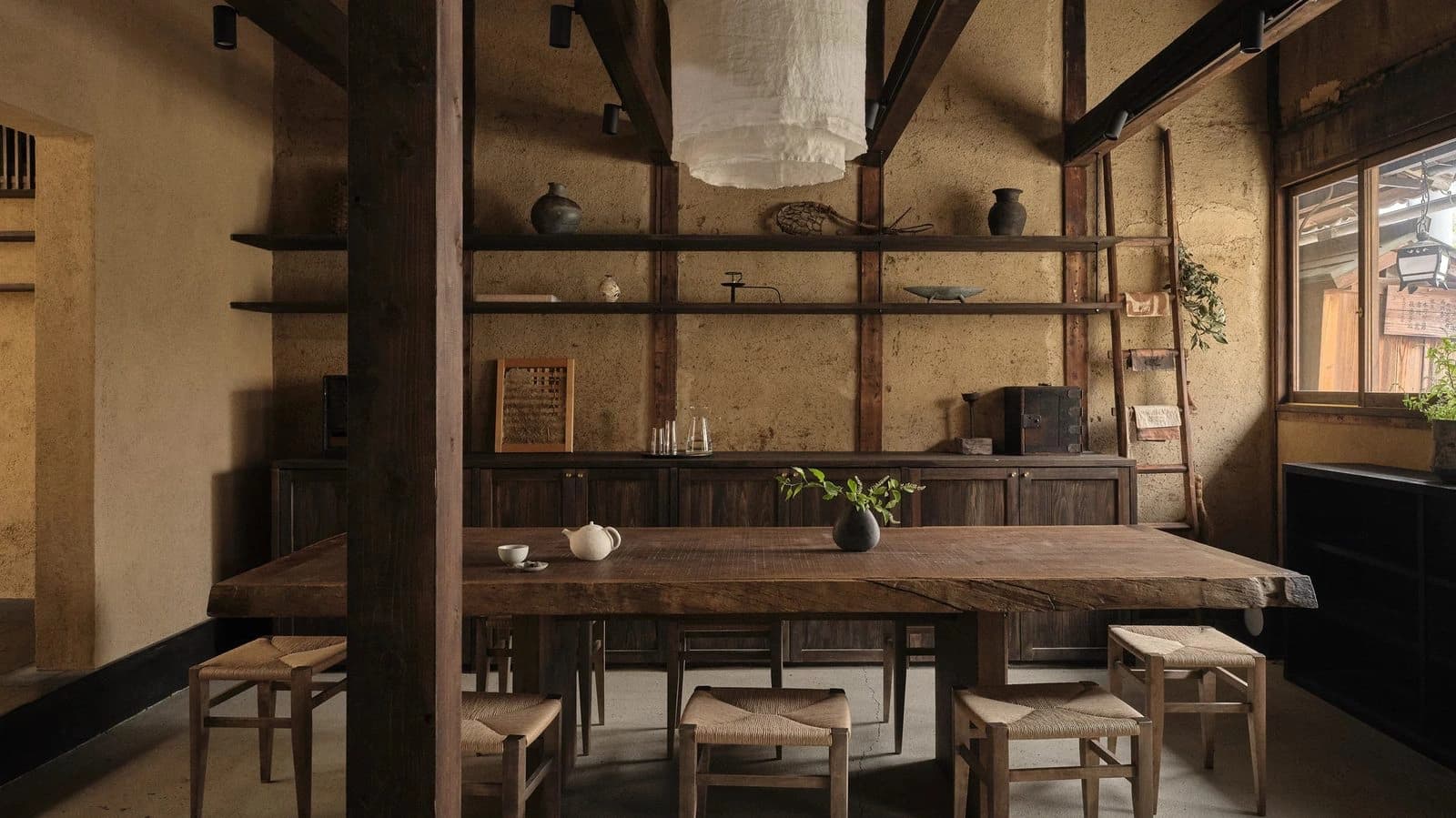
Most experiences take place at Maana Atelier, a restored machiya on a quiet street in Nishijin — Kyoto’s old textile district, where the rhythm of looms once filled every block. The morning and night tea ceremonies are held a few blocks away, at our private tea house.
Nishijin has been home to weavers for over twelve hundred years. The streets here still hold the same proportions they always have: narrow lanes, lattice fronts, the smell of mulberry and dye. We chose to be here because the neighborhood already understands what we’re trying to do — keep traditional craft alive by giving it a place to work, not a place to display.
Six places scattered across the city — never more than a short cab or stroll between them.
481-3 Nishitachibanacho, Higashiyama-ku
View on map ↑Open in Maps →33-6 Chudoji Kitamachi, Shimogyo-ku
View on map ↑Open in Maps →427-18 Myohoin Maekawacho, Higashiyama-ku
View on map ↑Open in Maps →82-3 Kamikinoshitacho, Kamigyo-ku
View on map ↑Open in Maps →427-18 Myohoin Maekawacho, Higashiyama-ku
View on map ↑Open in Maps →Whether you’re staying with us or joining for the day, each experience runs at the pace of the season — with a 7-day flexible cancellation.
See the calendar→Every quarter, you’ll receive a newsletter filled with inspirational, educational, and informative updates.