i.
Welcome tea
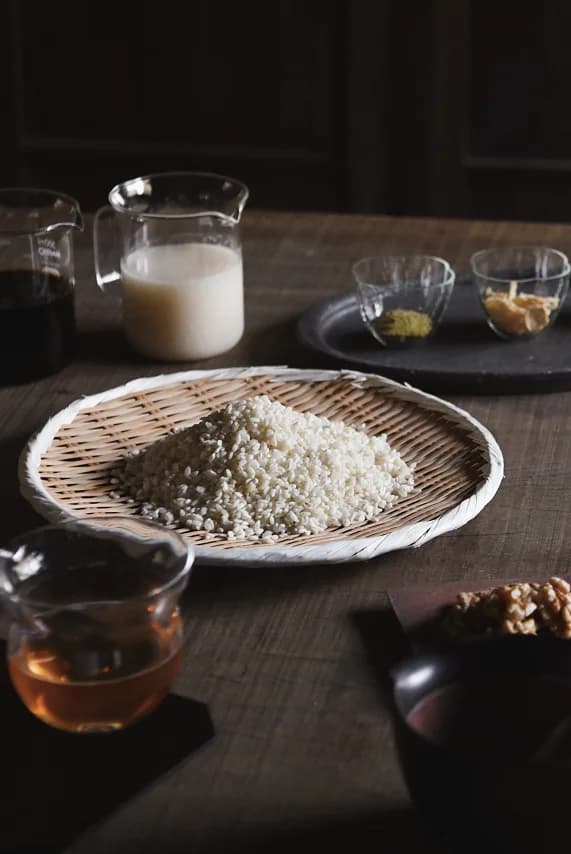
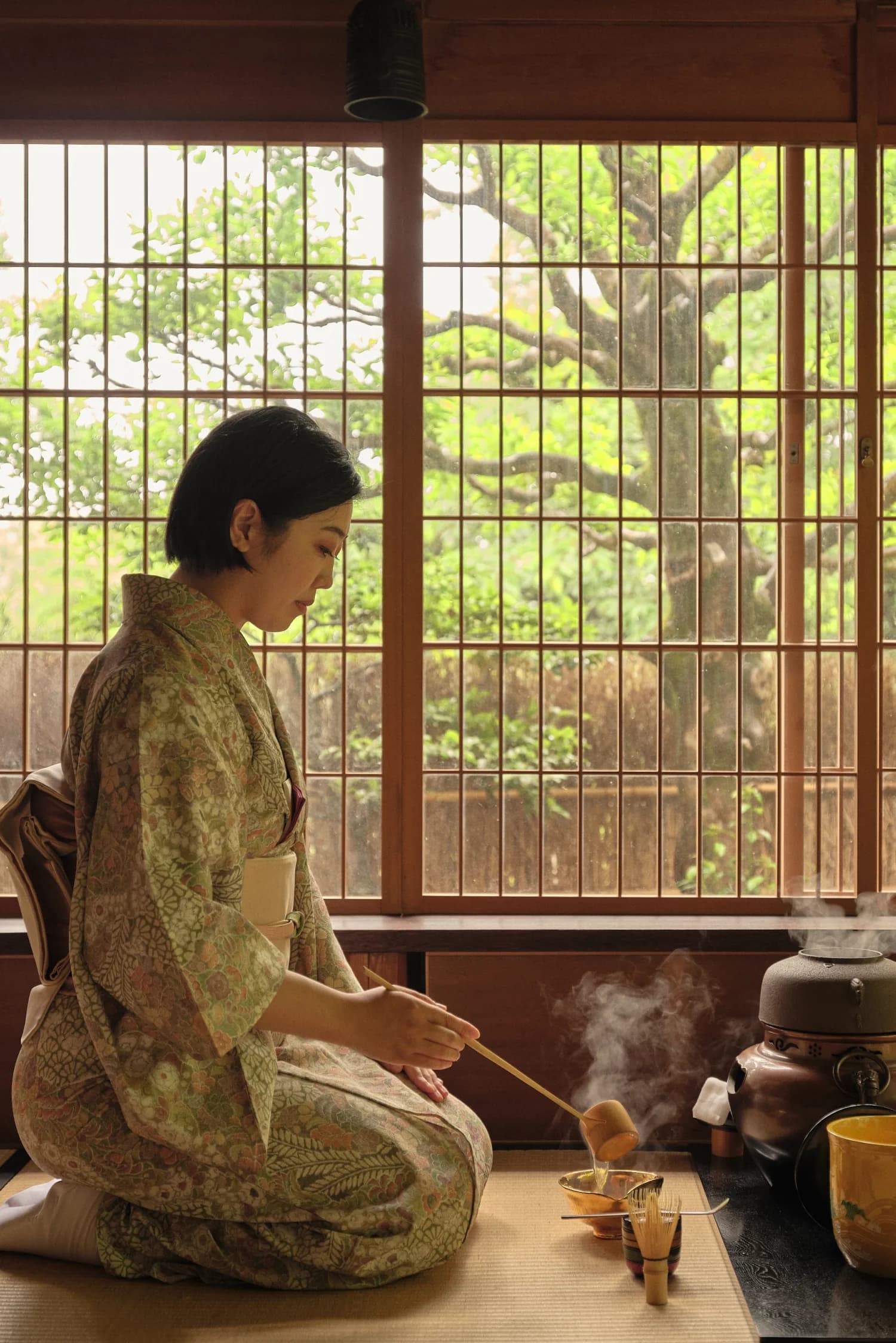
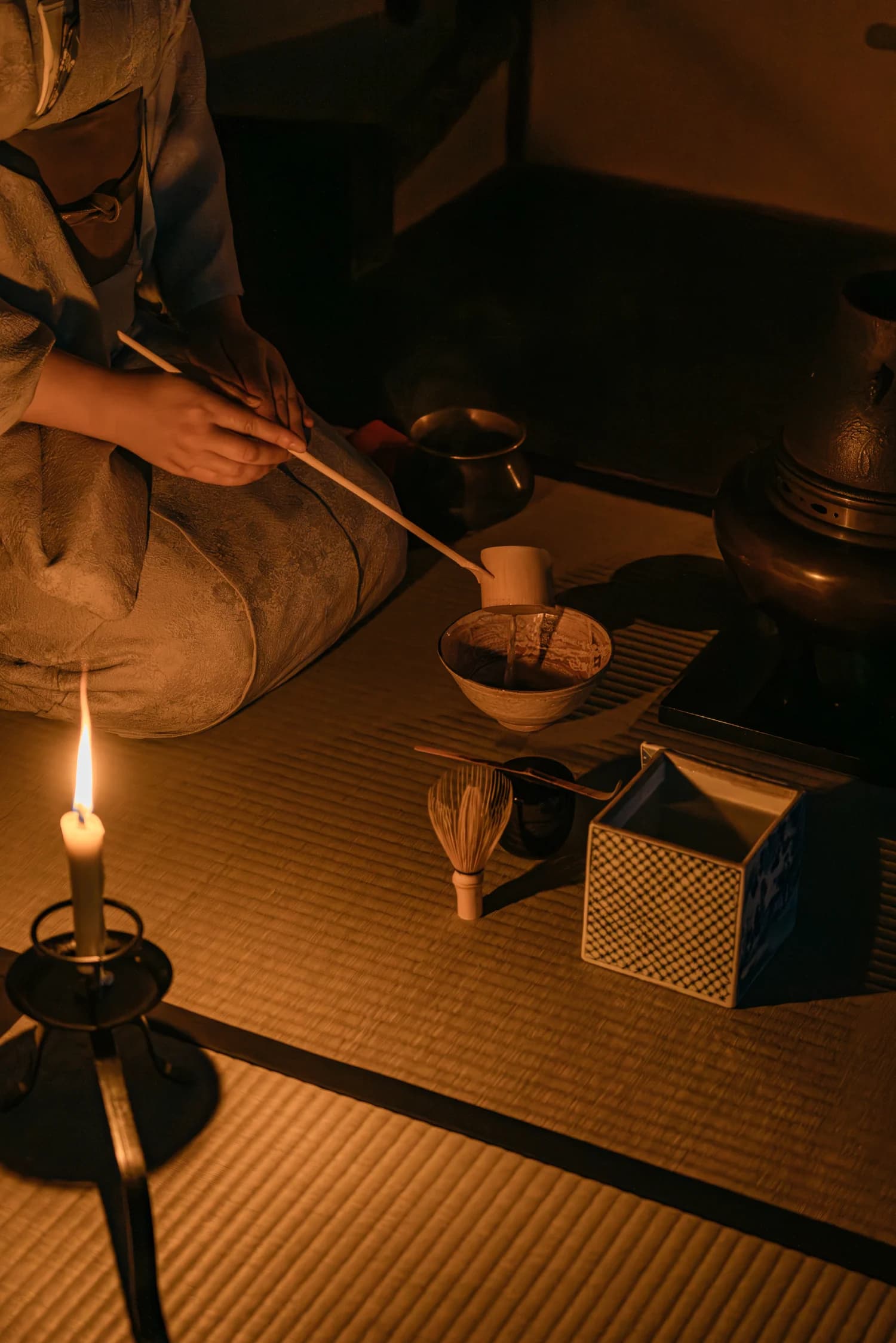
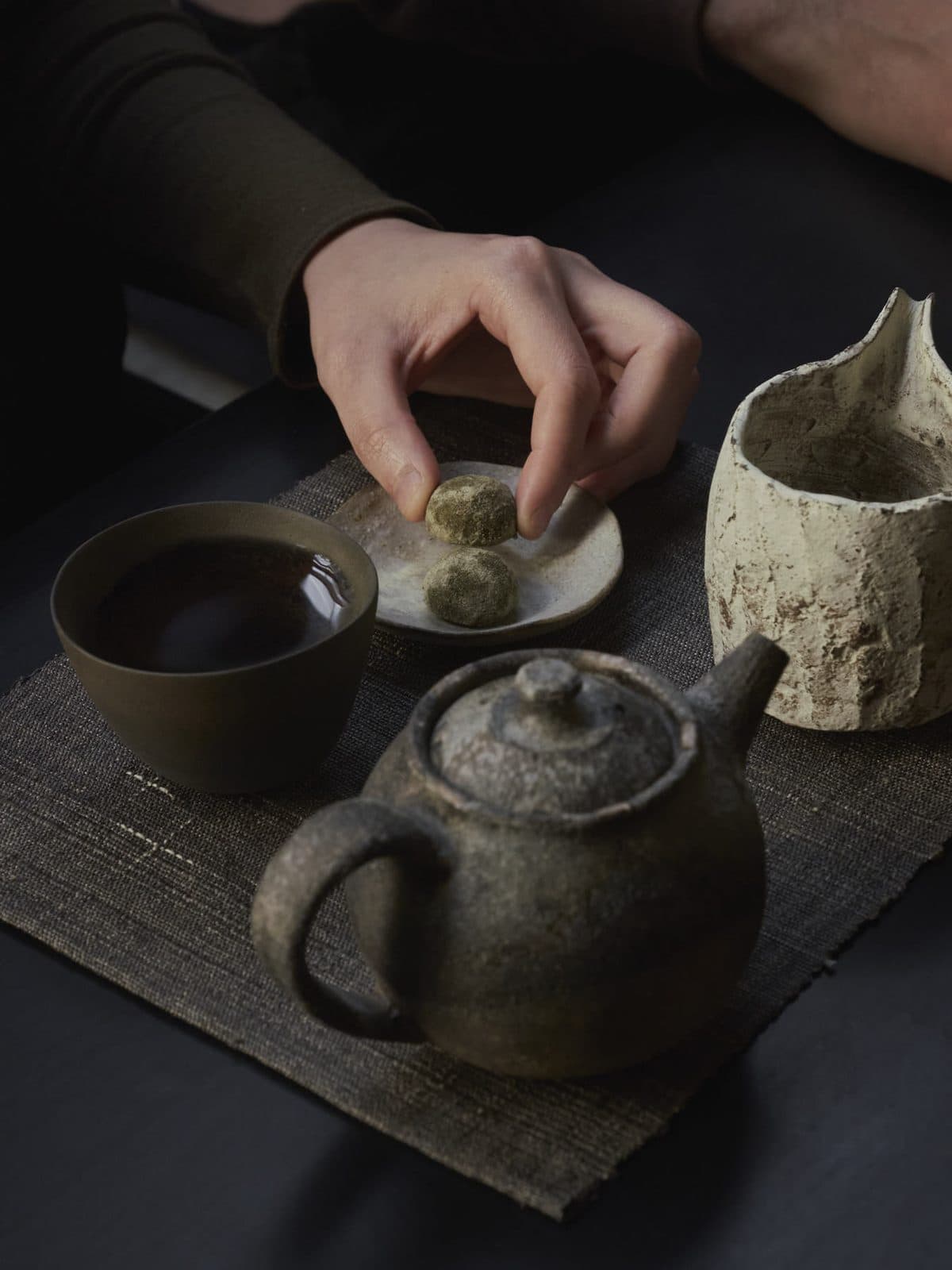
A seasonal cup of tea on arrival, and a warm introduction to the day’s ingredients.
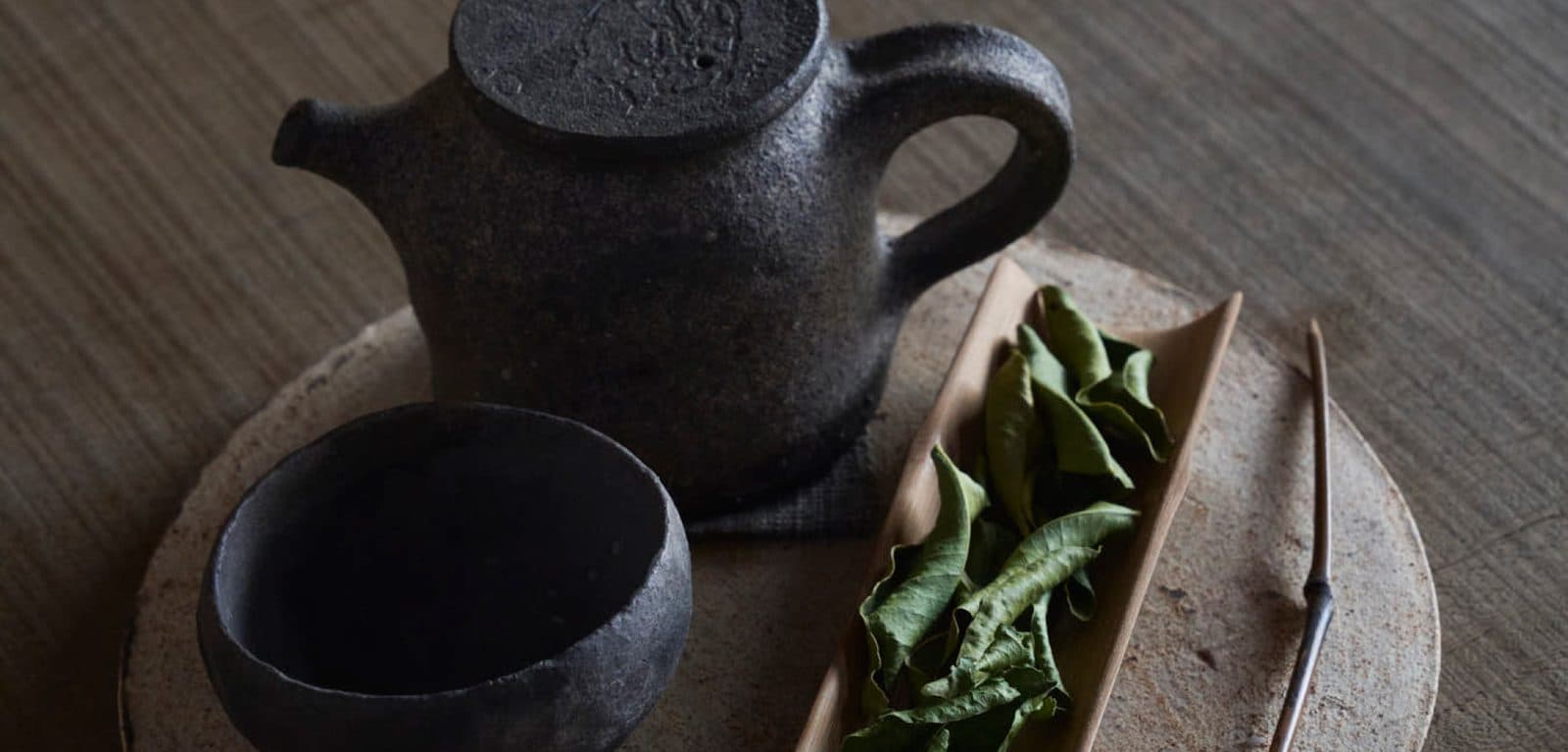
Blend your own personalized organic tea from farmed and foraged heirloom herbs of Japan.
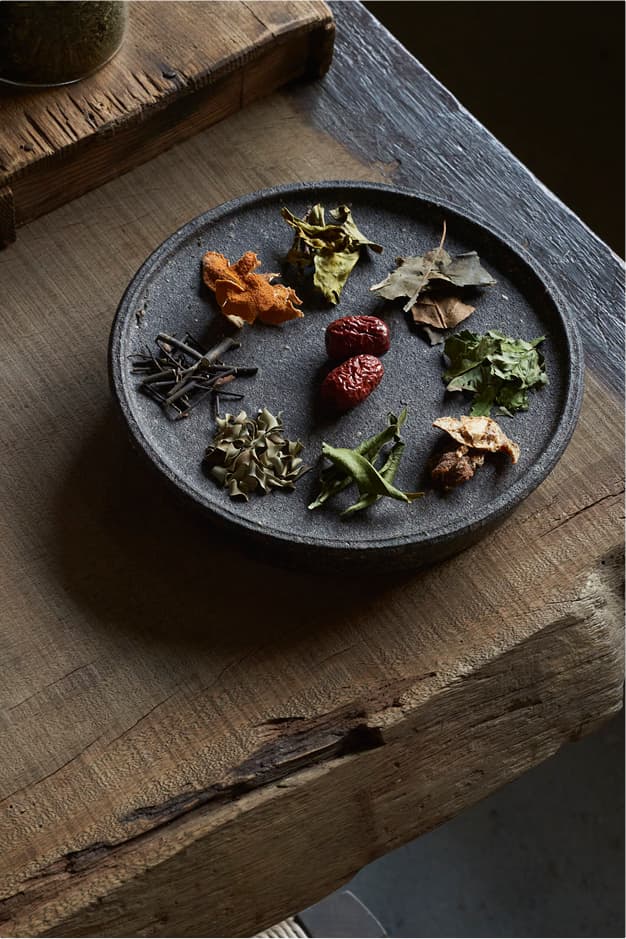
Tea in Japan is far more than the green leaf the world knows. For centuries, long before the tea plant arrived from China, the islands brewed infusions from native flora: roots, leaves, twigs, and barks gathered from forest and field.
These botanical teas mirror the climate and the season, support physical and mental health, and tell the long story of Japanese agriculture and place. In this workshop, you’ll smell, touch, and taste a selection of regional ingredients, then blend a tea that’s entirely your own.
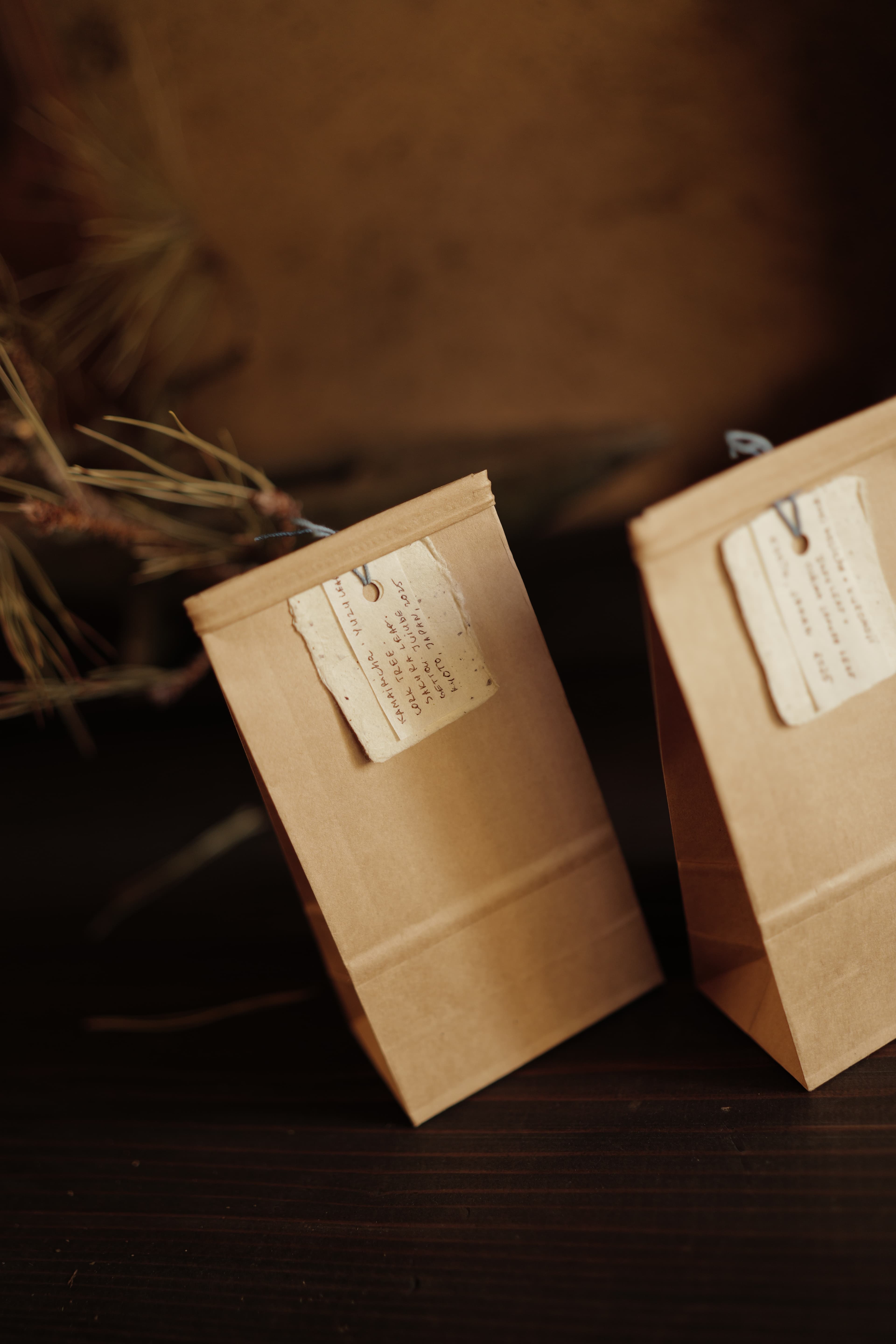
You leave with a personal tea blend made by your own hands, with the season’s ingredients, ready to brew at home.
A bag of your own personalized organic tea, sealed and labelled, ready to take home.
You take it home once the workshop ends — light for travel, easy to bring.
Sourced from farmed and wild seasonal flora — no mono-cropping, no soil erosion.
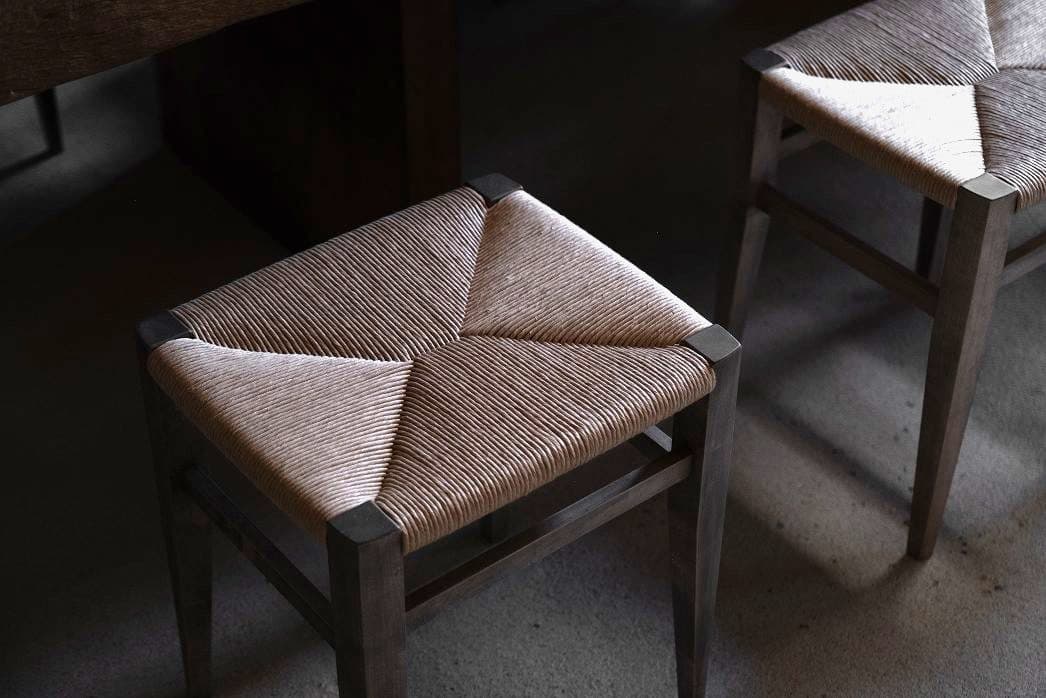
Spend 1.5 hours at the atelier with your teacher, guided from start to finish.
A seasonal cup of tea on arrival, and a warm introduction to the day’s ingredients.
Get to know a variety of different herbs, foraged from Nara, to Miyazaki, and all the way to Okinawa.
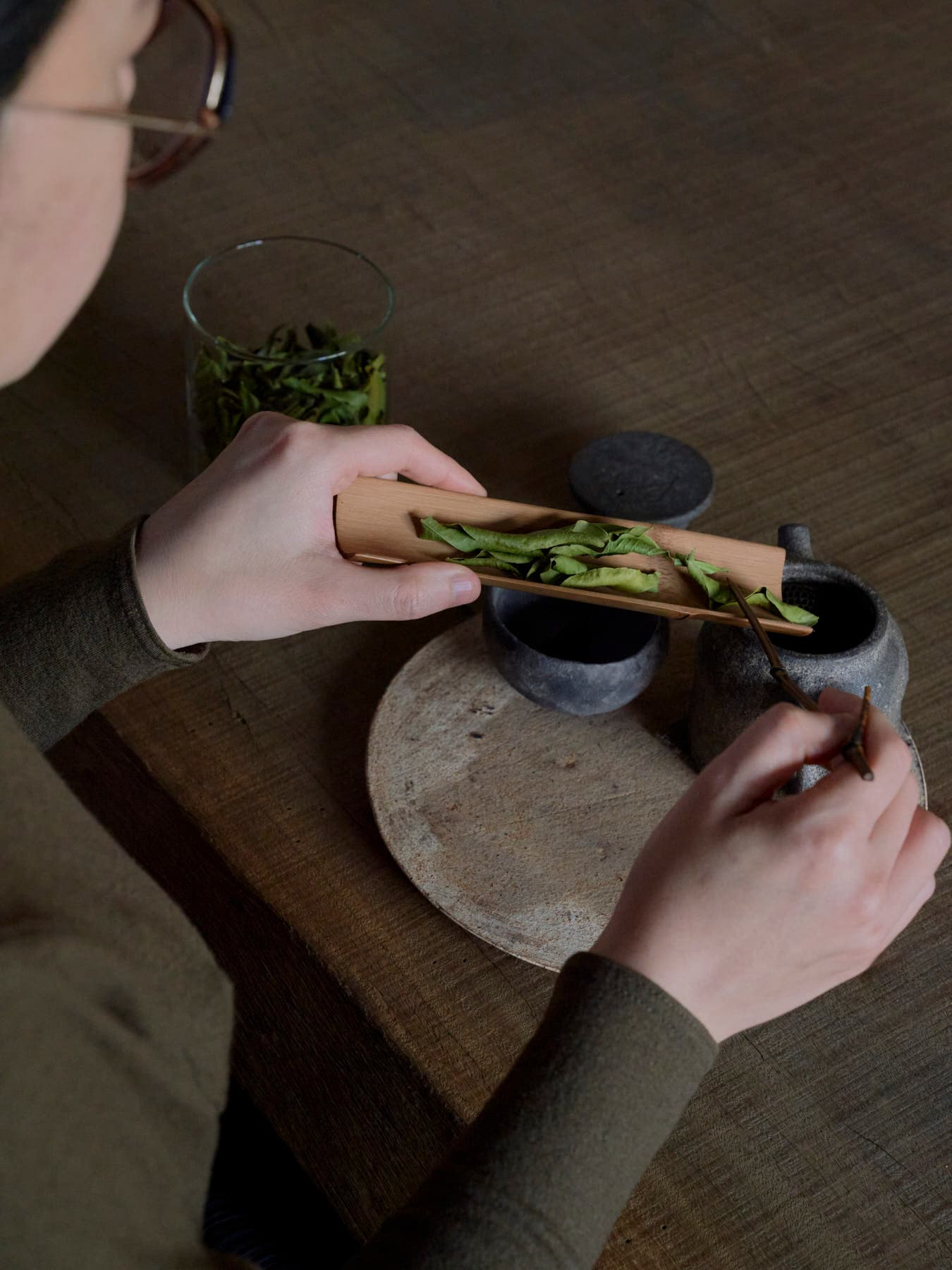
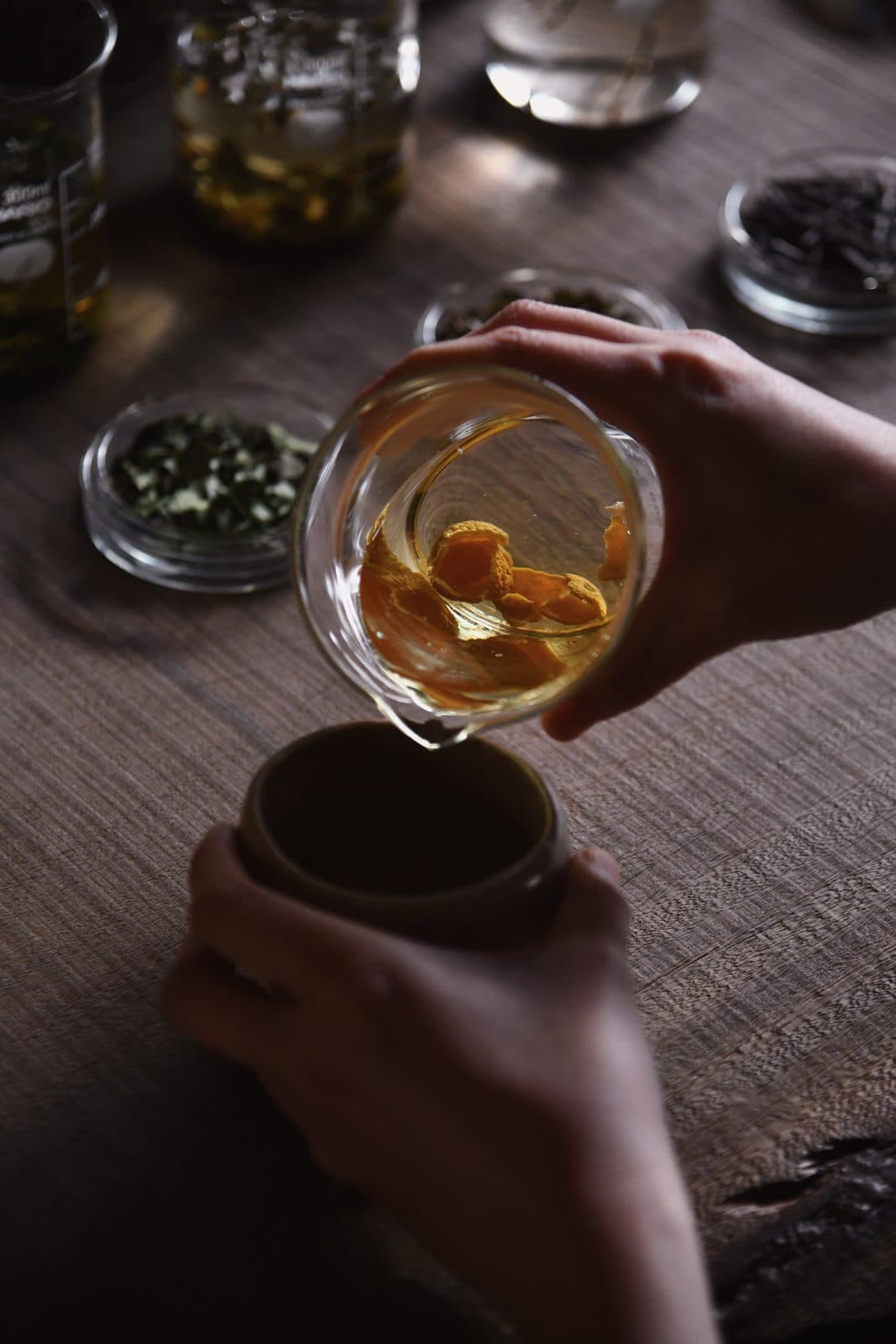
Compose your own ratio. Layer florals, roots, and citrus until the cup matches your mood.
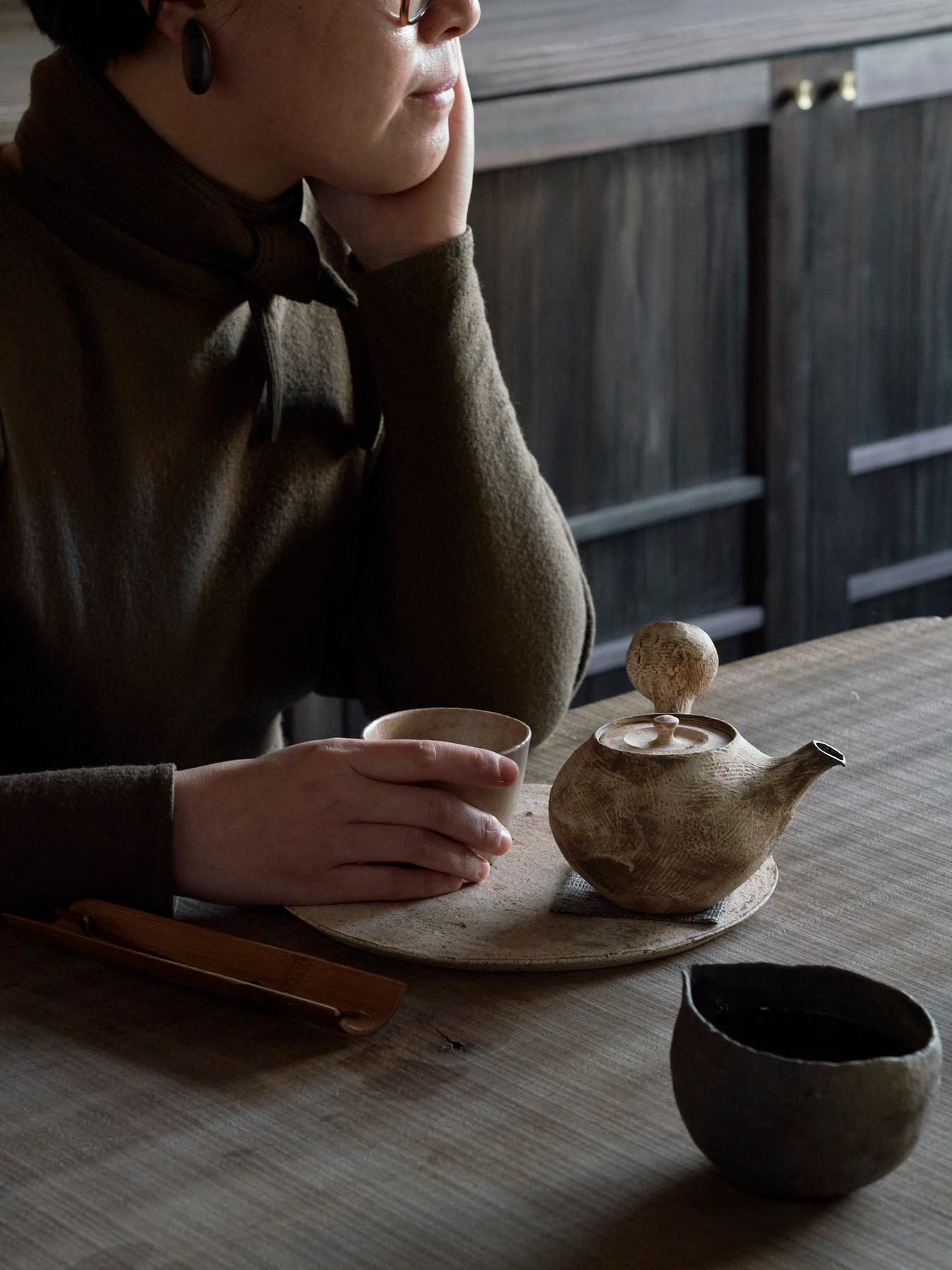
Brew your blend. Share notes. Pack the rest in a bag to carry home.
All times JST · GMT+9
Guests come for an afternoon and leave with a personal tea blend, but here’s what stuck with them after returning home.
The Botanical Tea Workshop was inspiring. The instructors were knowledgeable, and we learned about different plants and tea, their properties, and how to blend them for specific benefits.
The Botanical Teas workshop was simply amazing — the location, the vibe, the whole experience. Through a journey of senses you’ll create your own personal blend that reflects your true personality and tastes.
The tea workshop was absolutely amazing! The instructor was knowledgeable and passionate. I learned so much about different teas and flavors, and every detail was thoughtfully arranged. The place itself calms you down.
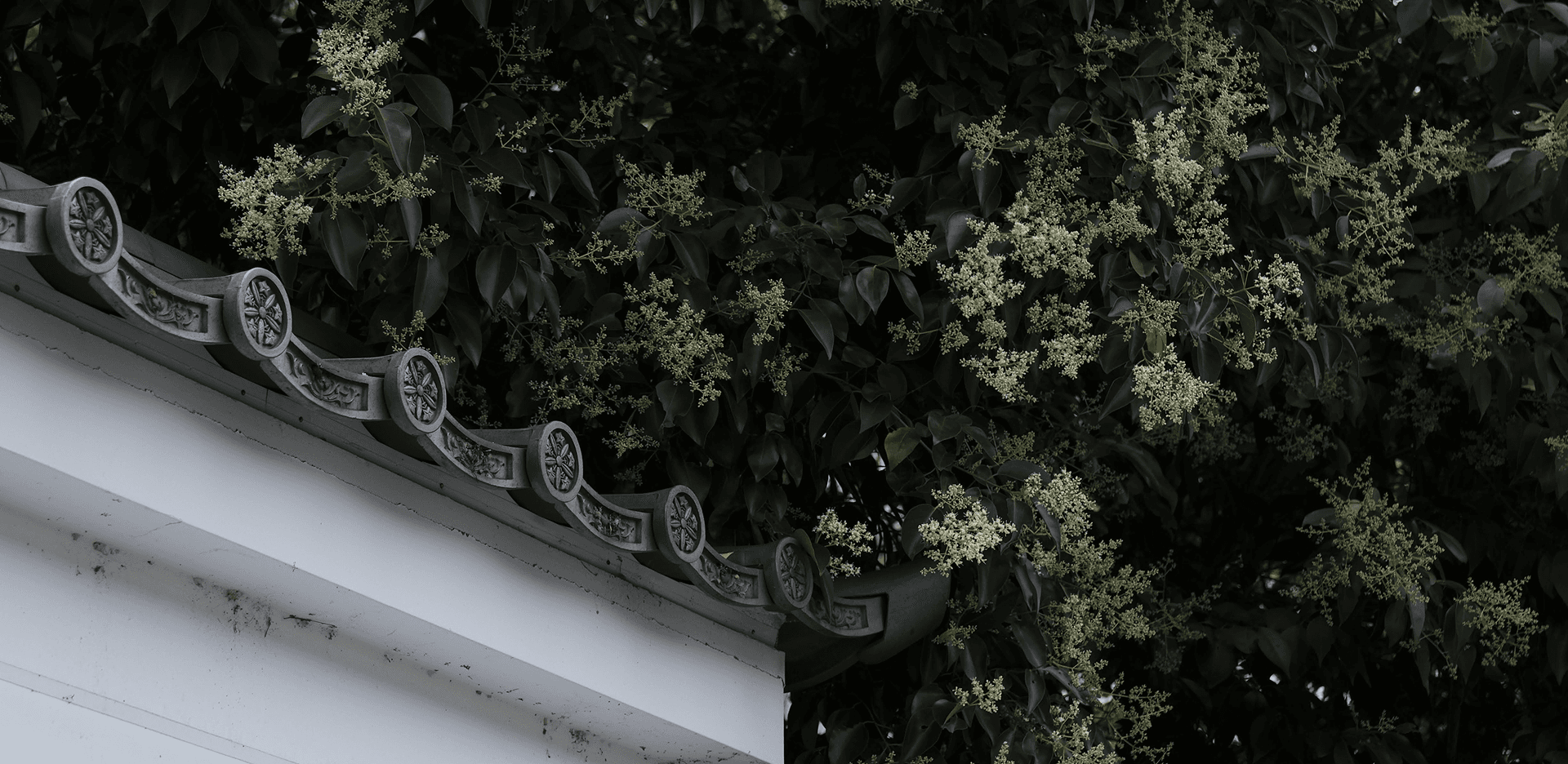
Kyoto runs at half-speed. Temple bells in the early hours. Shop curtains drifting at noon. The river quiet by dusk. The seasons change without asking permission — cherry, plum, maple, snow.
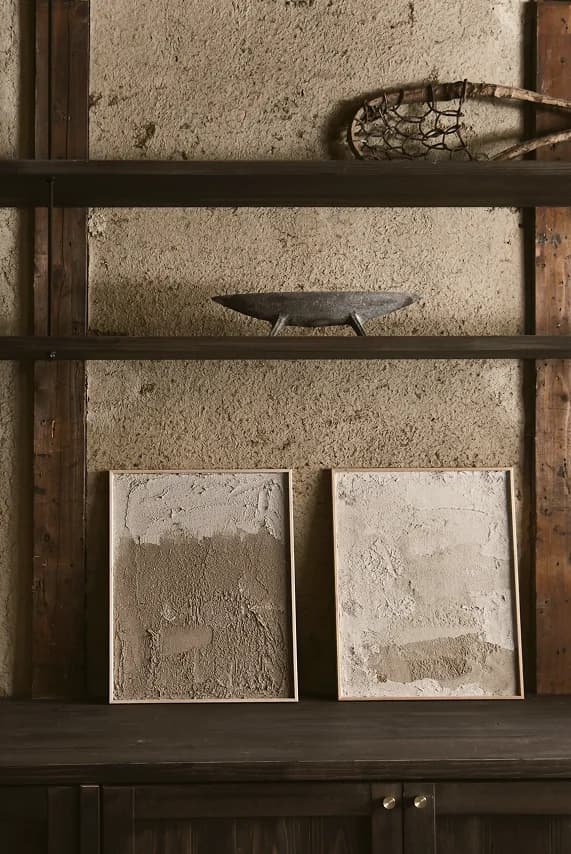
You arrive at Maana Atelier on a small street in Nishijin, the old weavers’ district. Inside, the machiya keeps its own air: cool stone, soft daylight, the smell of clay.
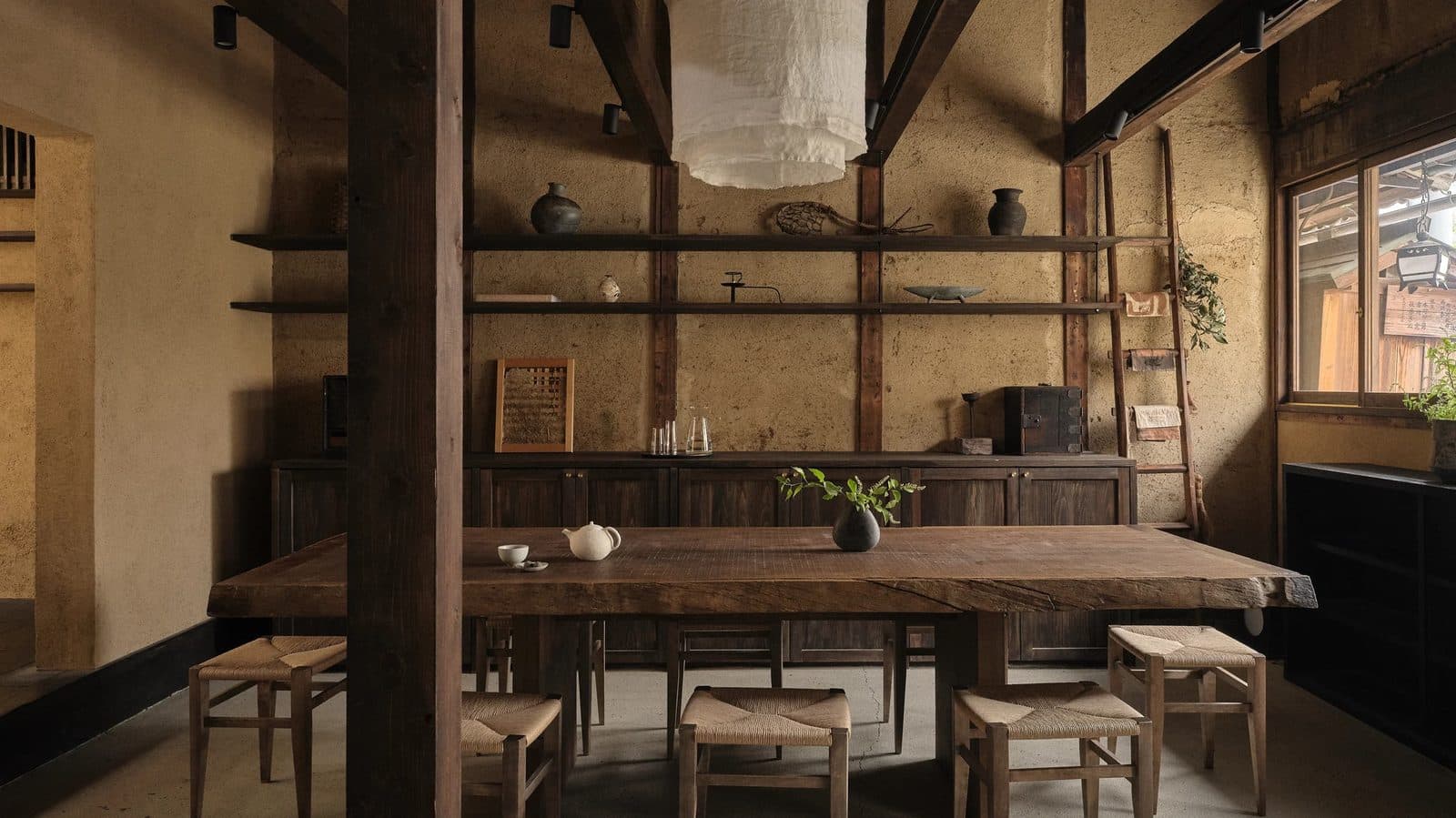
Maana Atelier is a multi-faceted space created to explore the ever-expanding passions and new offerings for our community. This traditional machiya is thoughtfully restored to reveal its raw beauty and imperfections — a place for exploration through workshops, community events, and more.
Kyoto Research Institute was founded under the direction of Momoko Nakamura. Momoko’s interest stems from 20 years of communicating and educating on cookery culture and the food system, informed by anthropological field research across the Japanese archipelago.
The Institute’s research now extends beyond food, expanding into both textile and home — with the growing understanding that each pillar of Japanese living originates from a single terroir.
All materials provided · 7-day flexible cancellation.