i.
Welcome tea
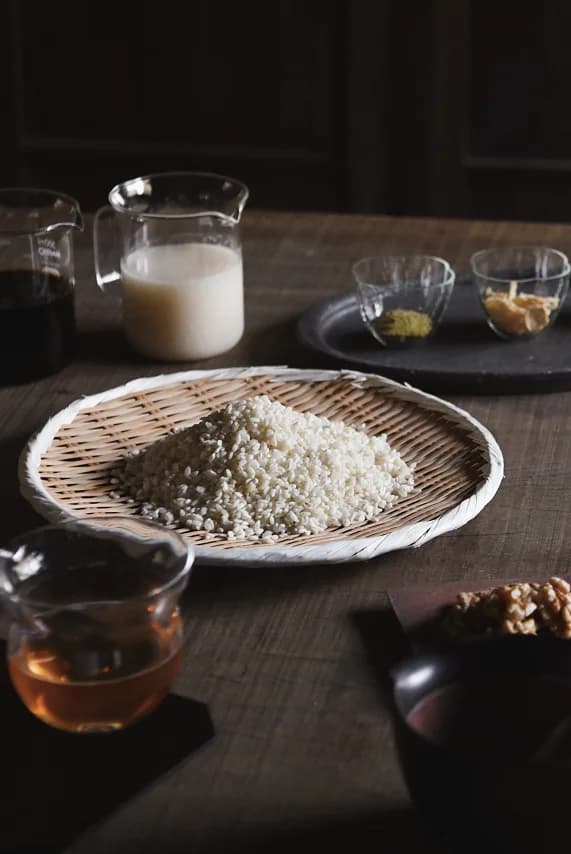
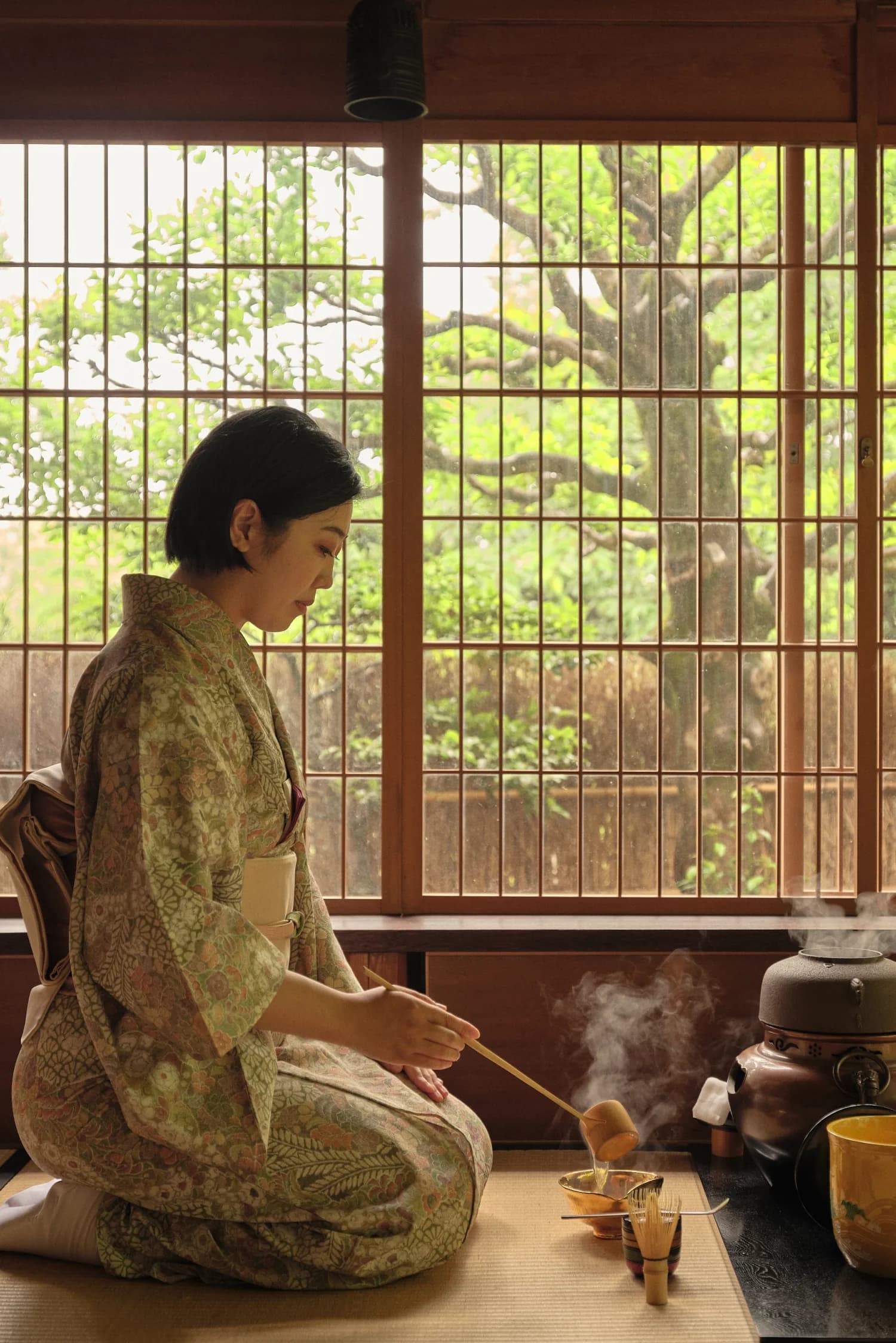
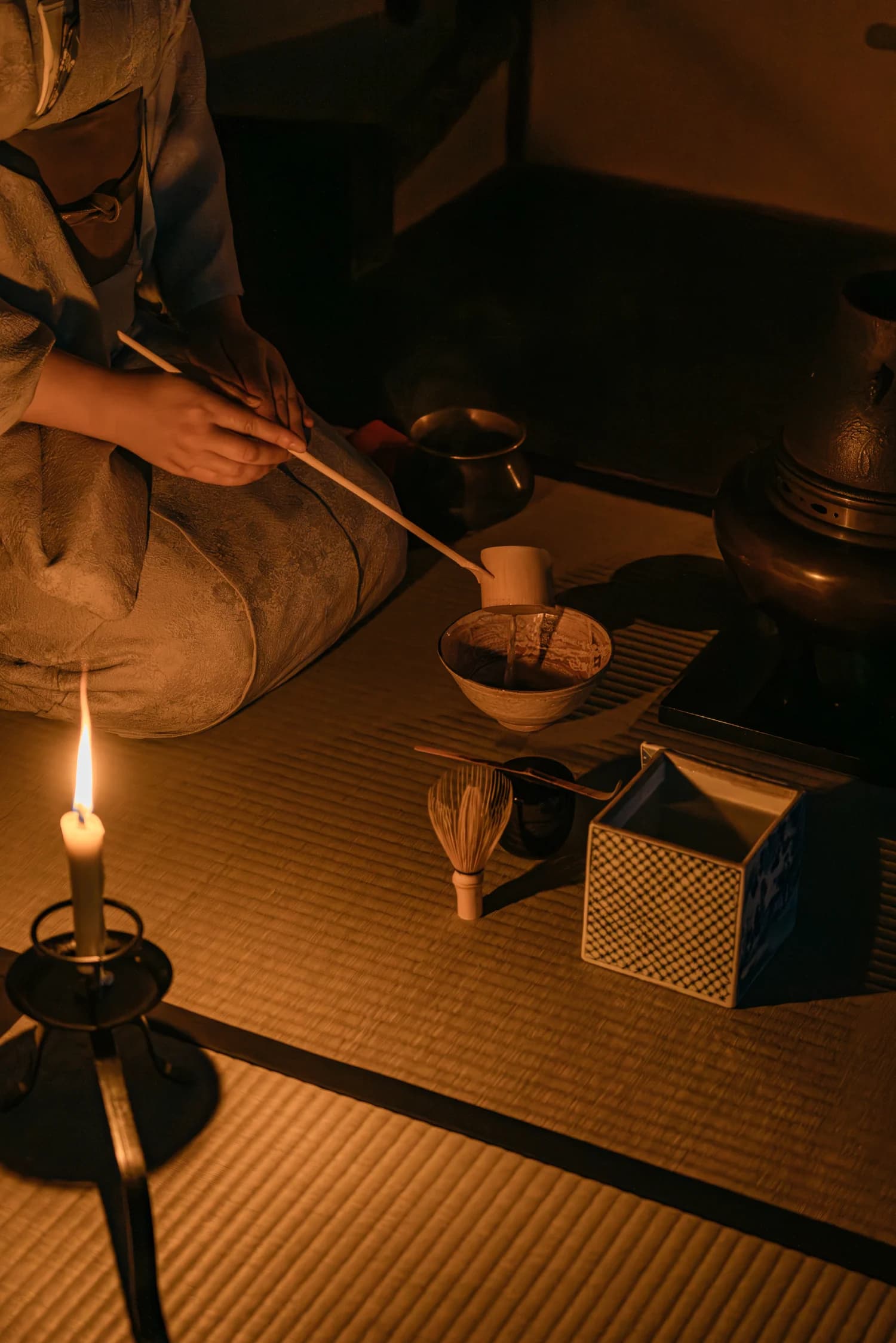
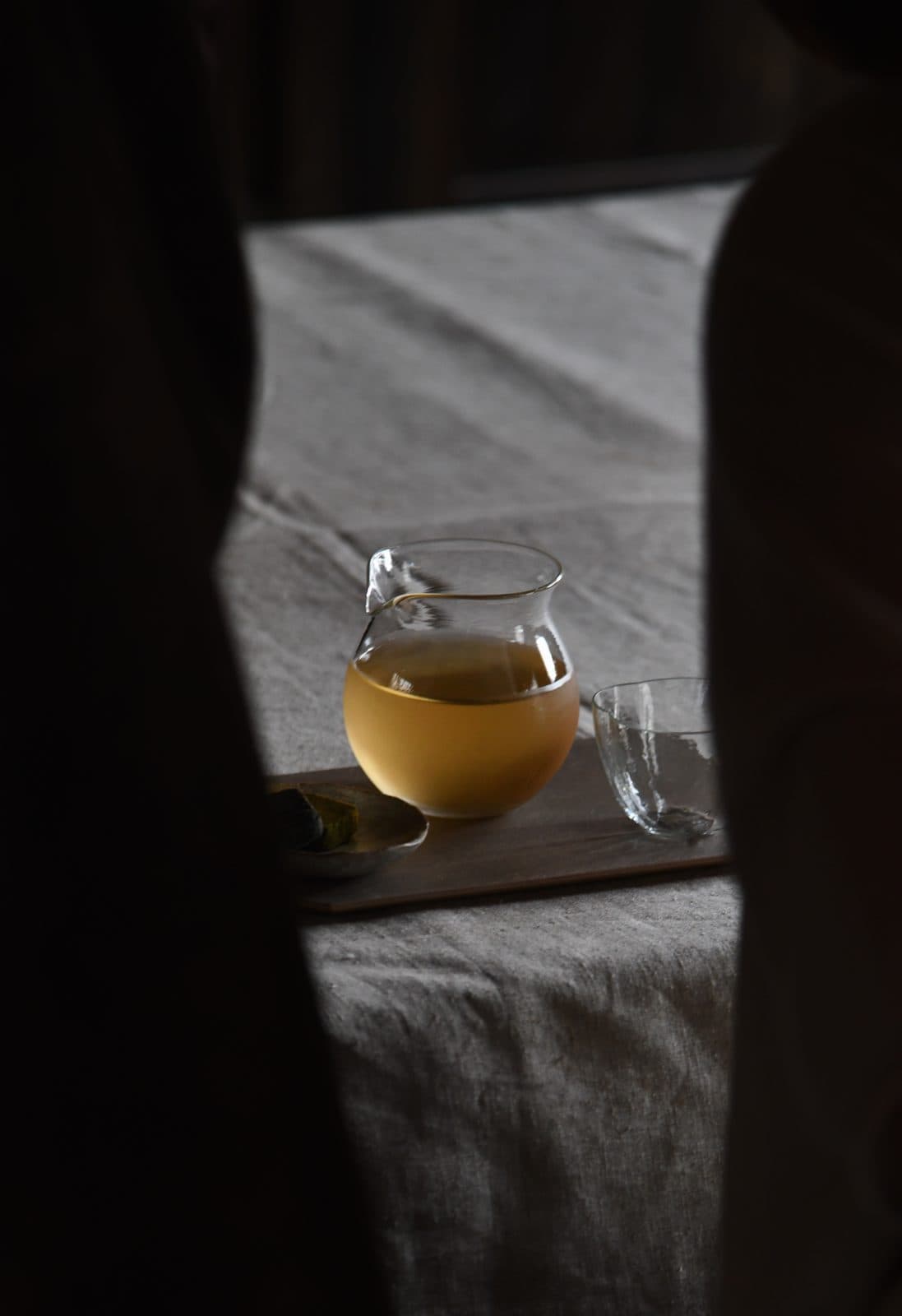
You’re greeted at the atelier with a seasonal cup of tea, and a warm introduction to the day.
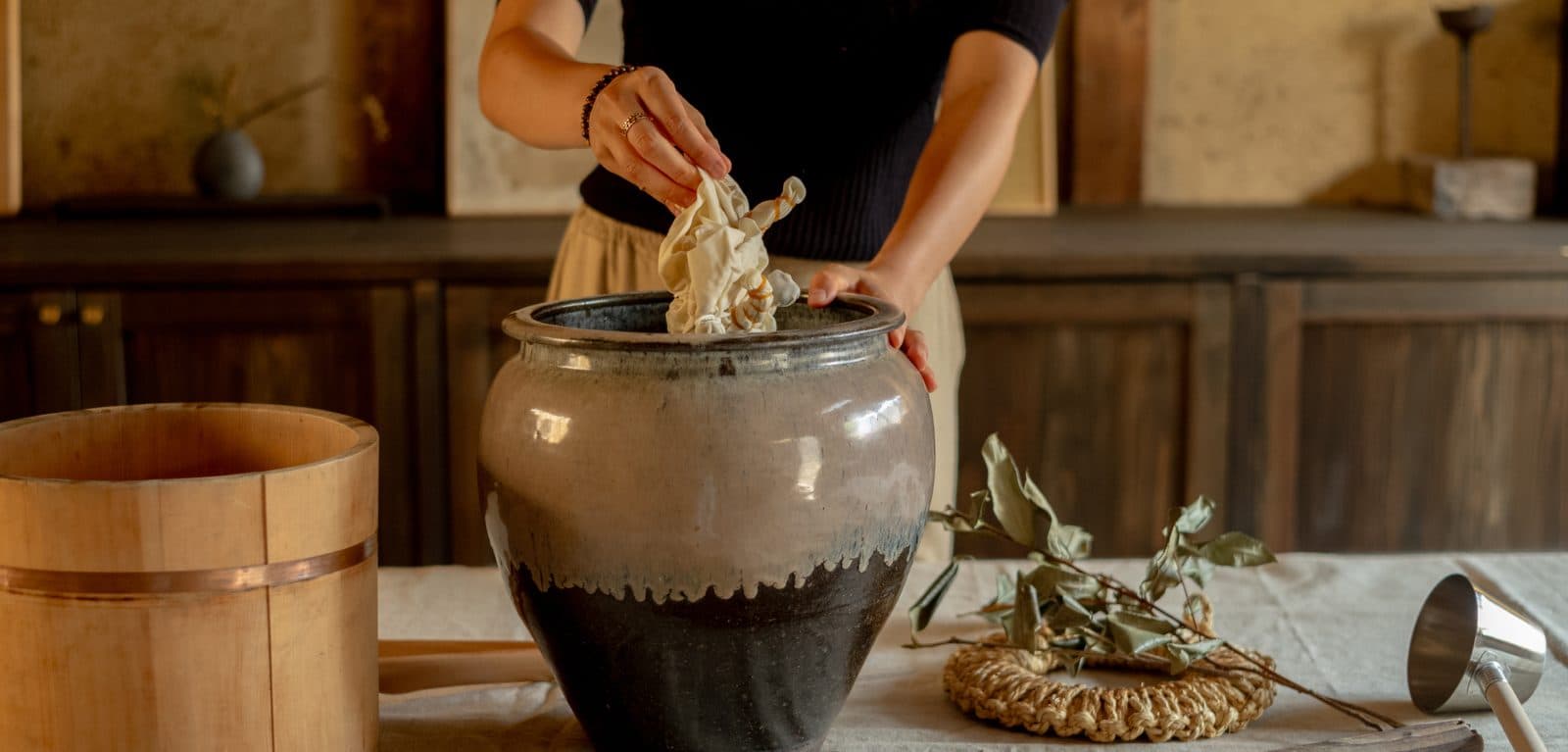
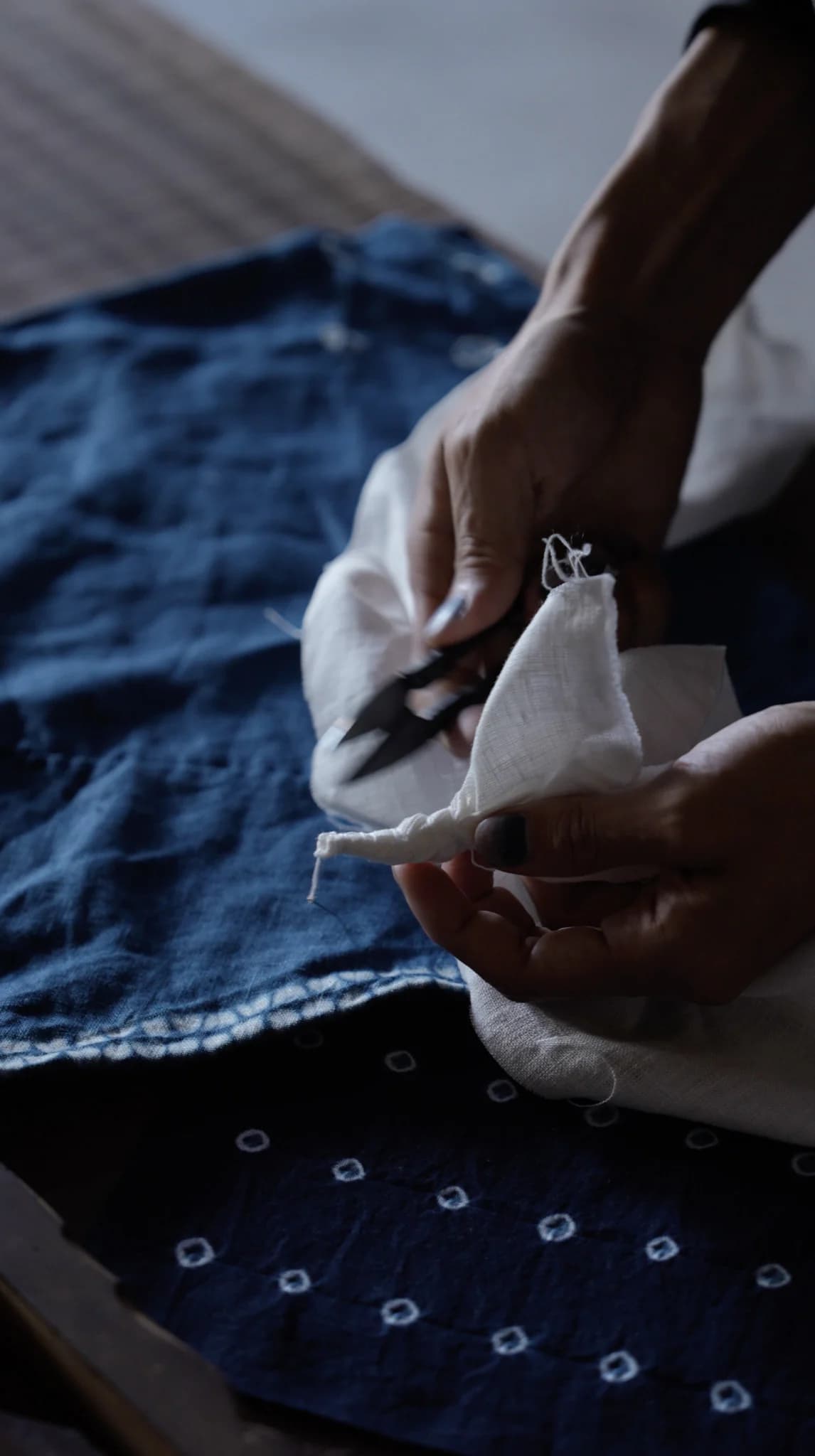
Design your own bags with natural dyes from wild tea leaves and patterns from shibori techniques.
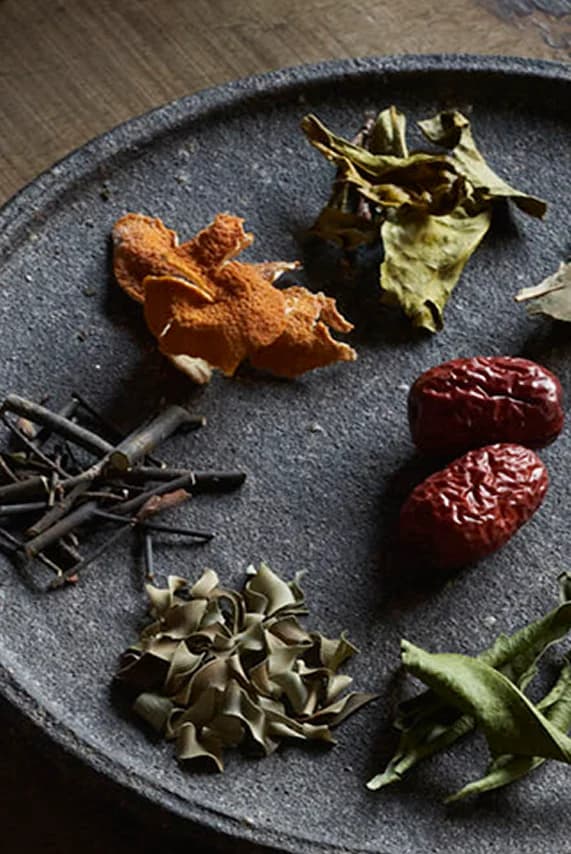
For centuries in Japan, tea has played an all-encompassing role, from the sacred and ceremonial to the modern daily ritual. Alongside that history, tea leaves have long been used to dye textiles, a quiet tradition of making the most of what nature provides.
Dyes extracted from tea are gentle on the earth, and every batch produces subtly different hues. In this playful workshop, you’ll explore natural colour and pattern, designing and dyeing two drawstring bags to take home.
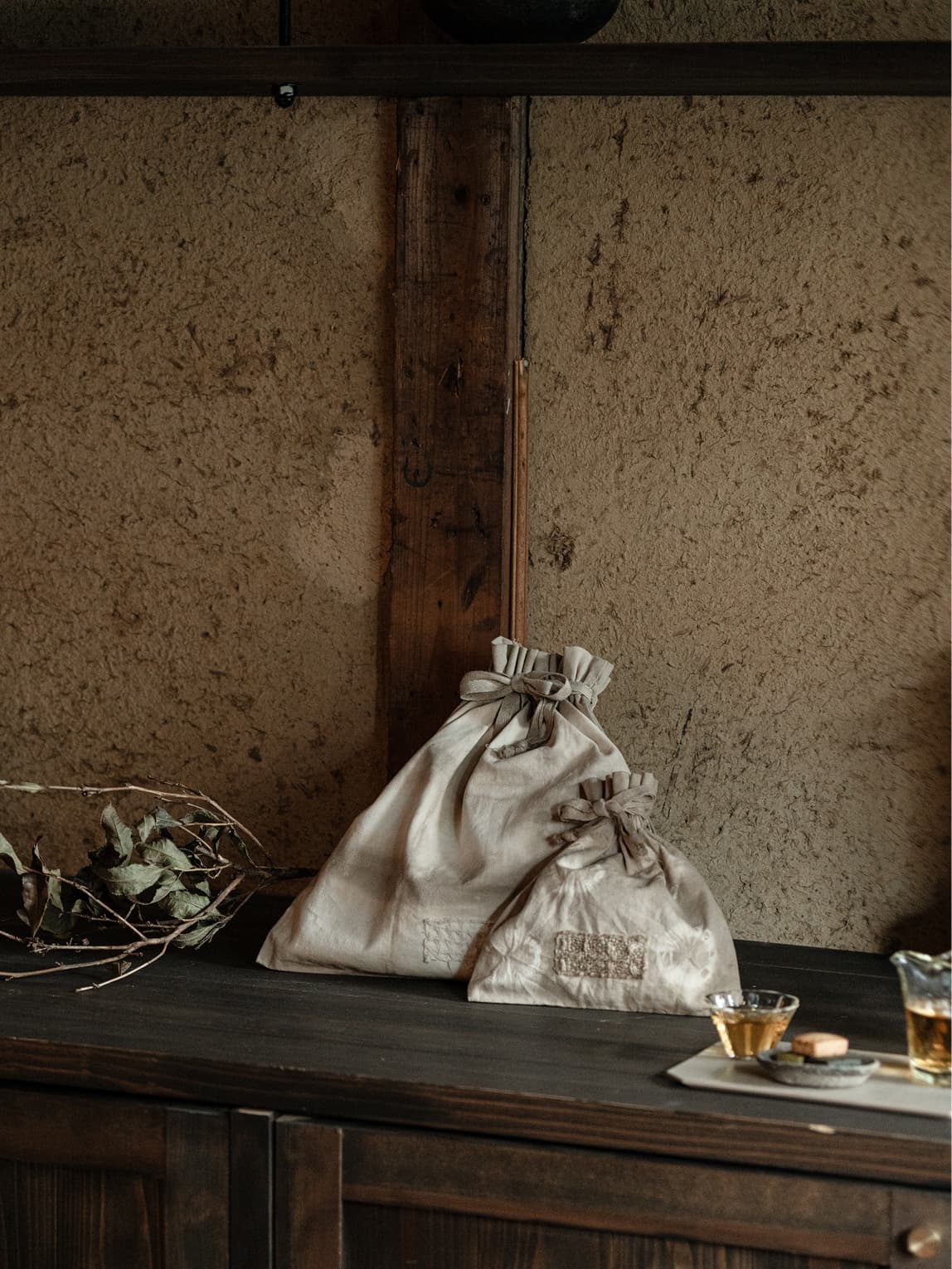
You leave with two drawstring bags — known in Japan as kinchaku-bukuro (巾着袋) — tea-dyed and folded by your own hands.
One small and one large kinchaku-bukuro, made with 100% cotton and including wamen details.
Your bags will need a day to dry, but you get to take them home once the workshop ends, packed in waterproof material.
Tea-dyeing uses no harmful synthetics, while tea’s natural antibacterial properties make it ideal for storing everyday essentials.
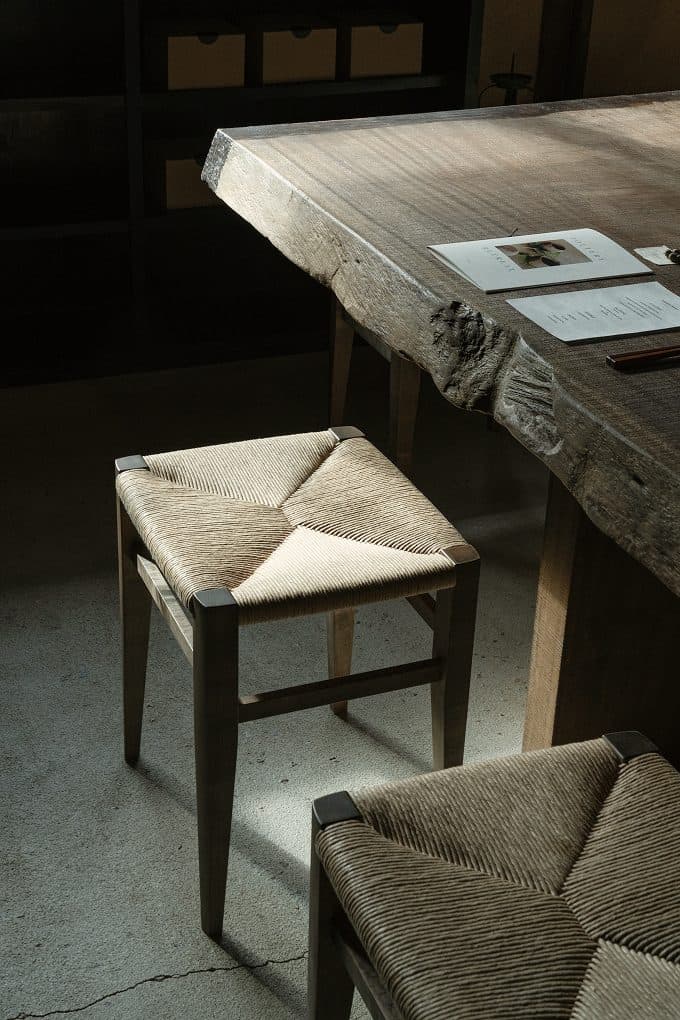
Spend 2 hours at the atelier with your teacher, guided from start to finish.
You’re greeted at the atelier with a seasonal cup of tea, and a warm introduction to the day.
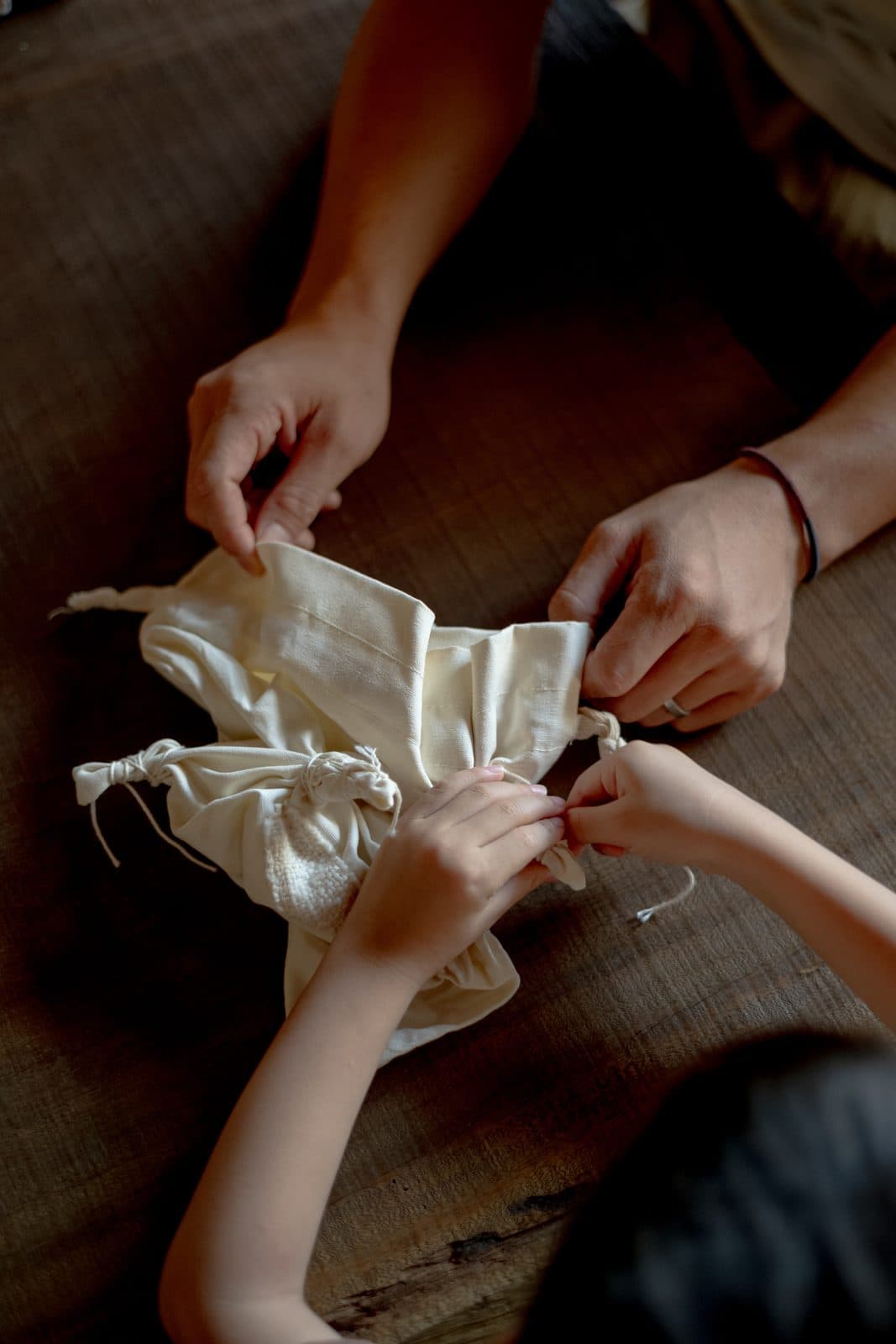
Folding, binding, and tying your fabric — the small choices that shape the final pattern.
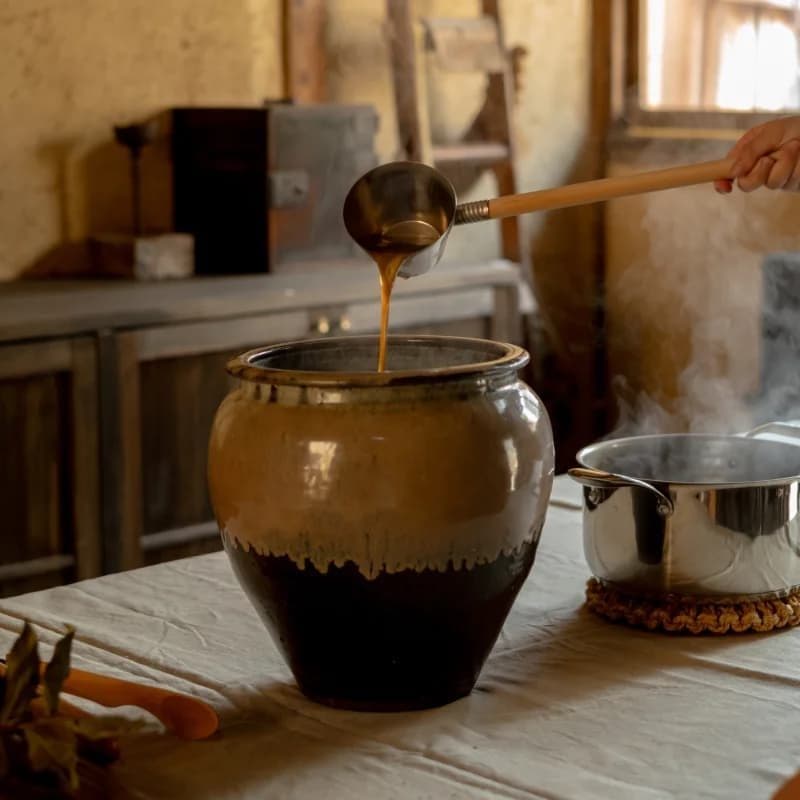
Hand-picked Ise tea (cultivated for over a thousand years in Kameyama) is steeped and your bags are dipped, folded, and re-dipped.
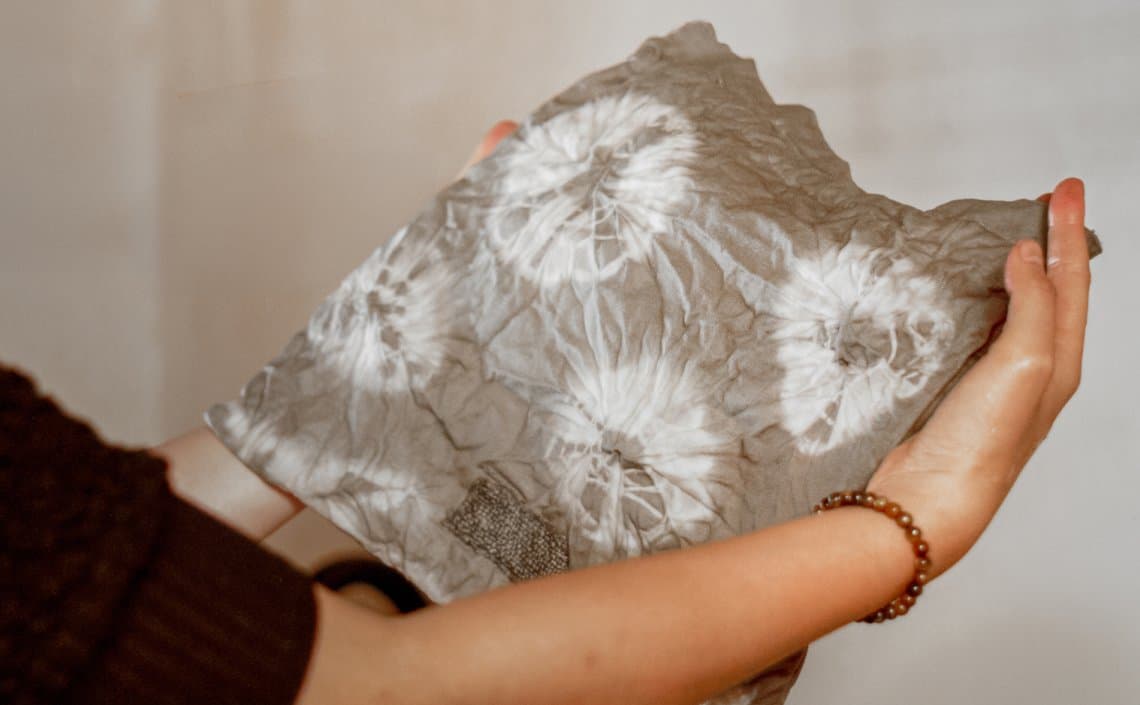
The reveal — undo the ties and watch the design emerge. Pack the bags for the journey home.
All times JST · GMT+9
Guests come for an afternoon and leave with two drawstring bags, but here’s what stuck with them after returning home.
I had the most wonderful time. Using Japanese tea leaves and traditional dyeing techniques, I was able to create my own dyed bags — therapeutic, relaxing, and inspiring.
Great workshop of tea dye in a very beautiful space with a great teacher! Also a little shop full of nice objects. A local experience not to be missed!
Maana Atelierで、古くから日本で行われてきた自然染色のひとつ「茶染め」のワークショップを体験しました。染め上がった巾着は、自然な温かみのある色合いで、世界にひとつだけの特別な作品になりました。
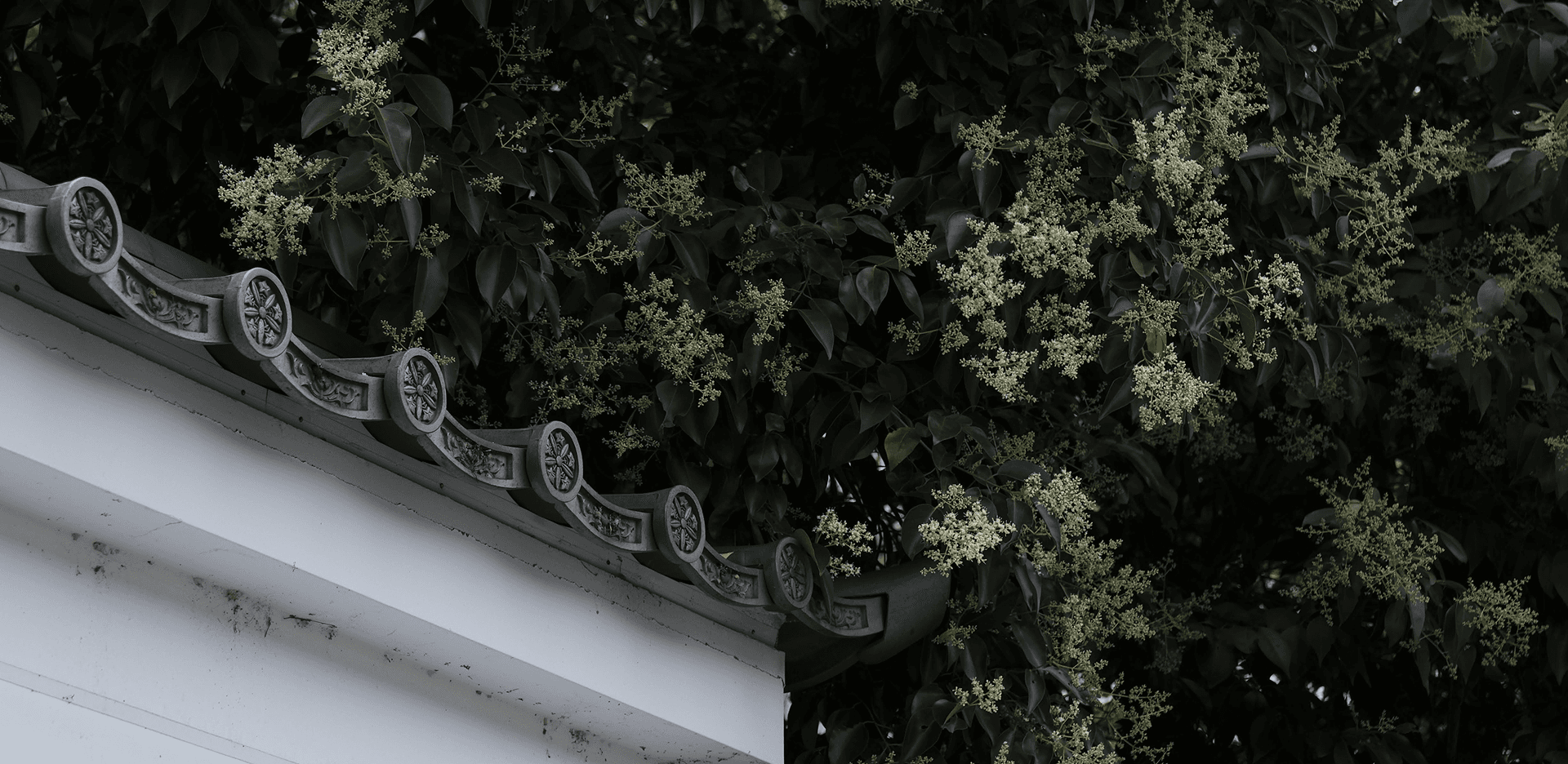
Kyoto runs at half-speed. Temple bells in the early hours. Shop curtains drifting at noon. The river quiet by dusk. The seasons change without asking permission — cherry, plum, maple, snow.
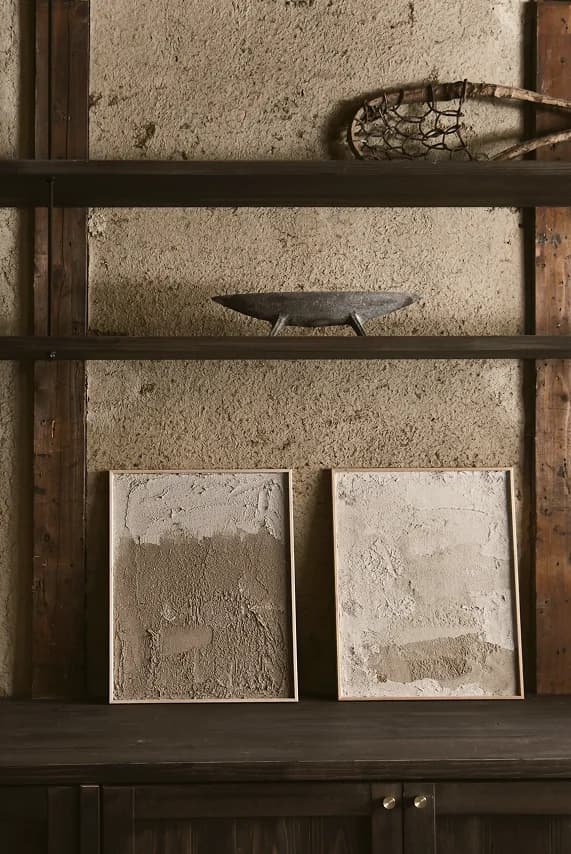
You arrive at Maana Atelier on a small street in Nishijin, the old weavers’ district. Inside, the machiya keeps its own air: cool stone, soft daylight, the smell of clay.
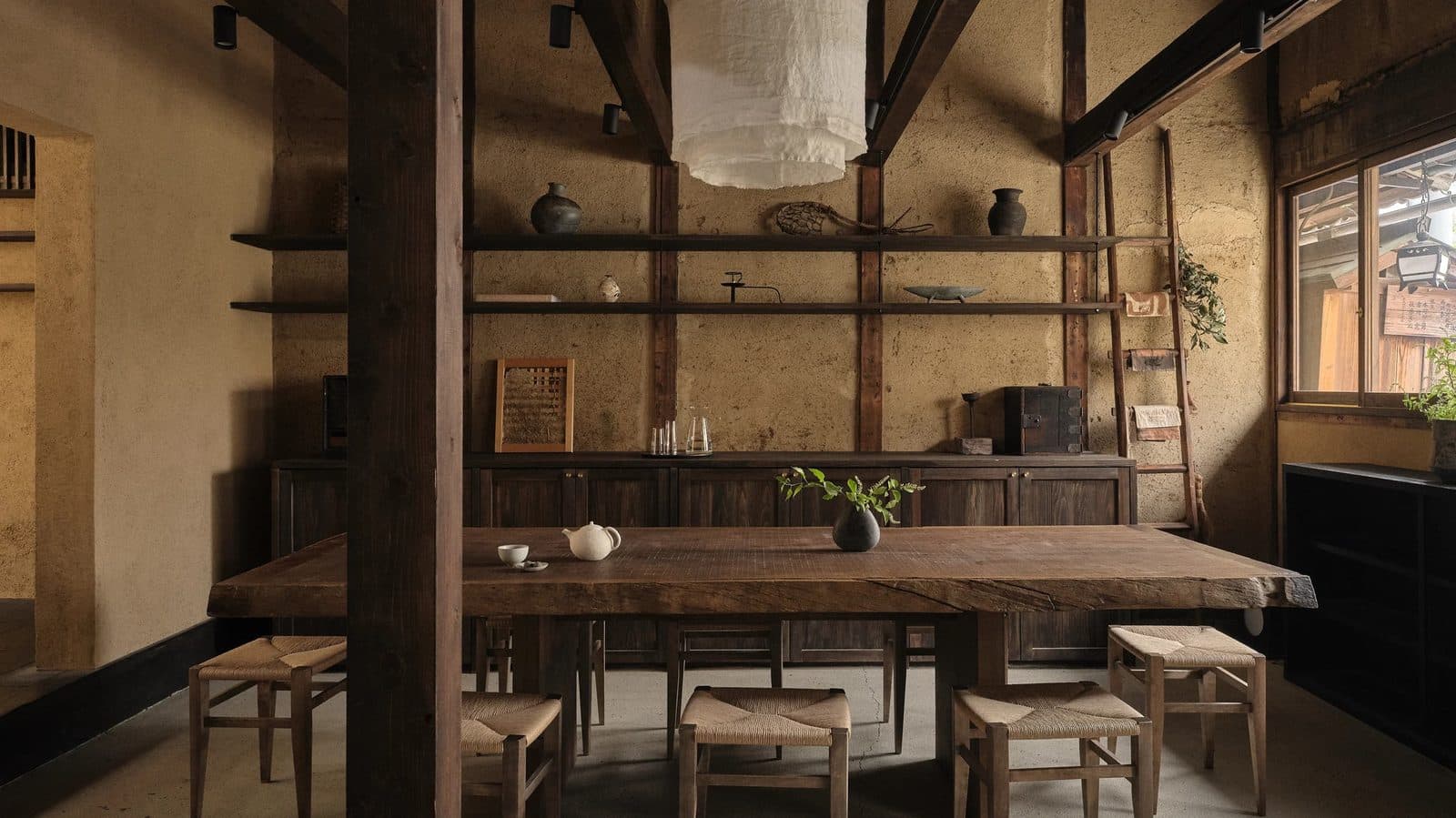
Maana Atelier is a multi-faceted space created to explore the ever-expanding passions and new offerings for our community. This traditional machiya is thoughtfully restored to reveal its raw beauty and imperfections — a place for exploration through workshops, community events, and more.
Kyoto Research Institute was founded under the direction of Momoko Nakamura. Momoko’s interest stems from 20 years of communicating and educating on cookery culture and the food system, informed by anthropological field research across the Japanese archipelago.
The Institute’s research now extends beyond food, expanding into both textile and home — with the growing understanding that each pillar of Japanese living originates from a single terroir.

All materials provided · 7-day flexible cancellation.