i.
Welcome tea
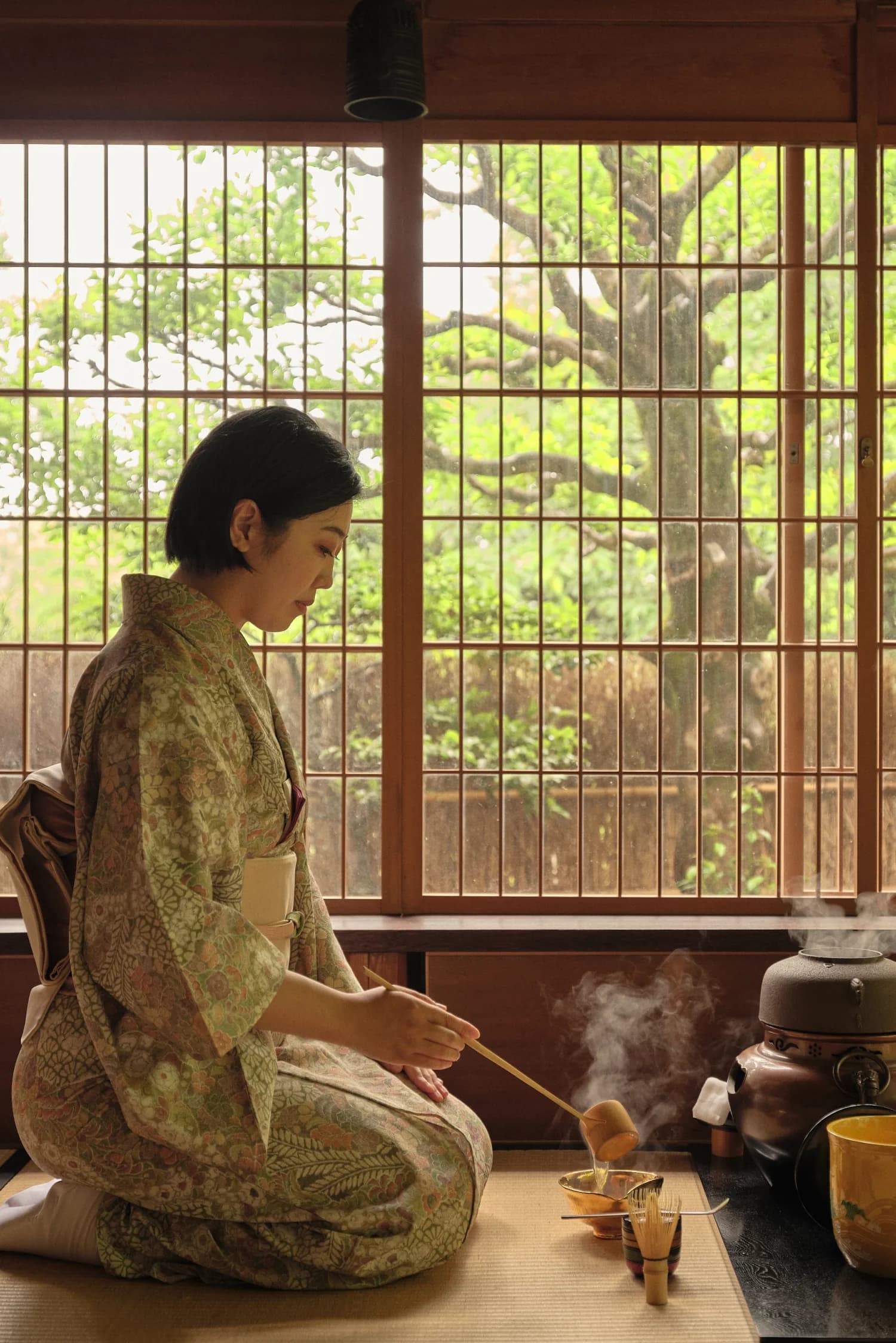
A seasonal cup of tea on arrival, and an introduction to fermentation across Japan.
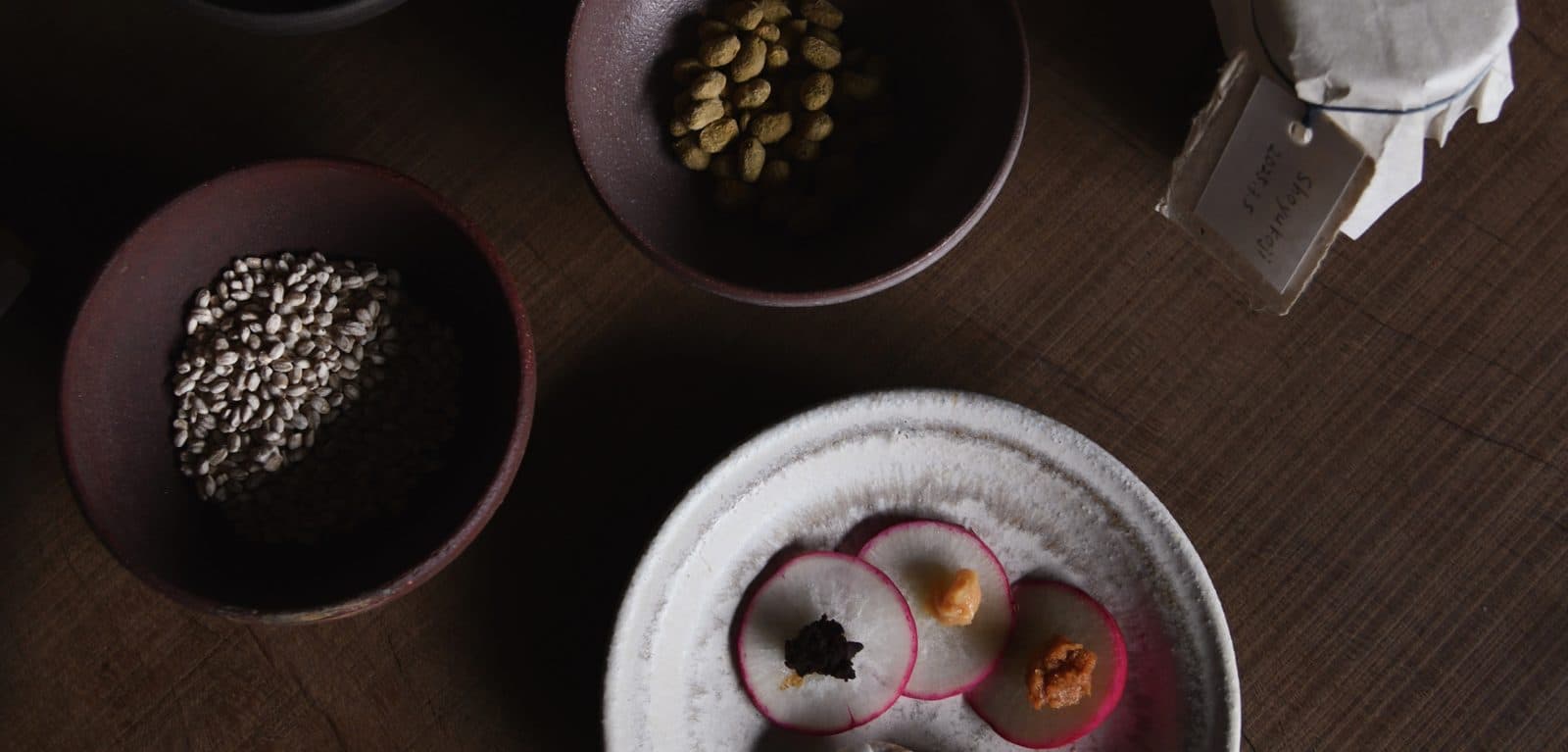
Make your own Japanese kitchen condiments from koji-fermented rice, the quiet engine of every umami flavour.
Shoyu, sake, mirin, miso — the staples of the Japanese table, all built on a single quiet foundation: koji, the national mould of Japan. Inoculated onto rice, barley, or soy, koji is the starter that turns ingredients into the fermented umami the islands are known for.
In this workshop, you’ll learn all about koji and how its use evolves across the Japanese archipelago, giving rise to different flavours and effects. Then, make two personalized condiments for your own pantry: shoyu-koji rich with dried fruit, and shio-koji with aromatic spices.
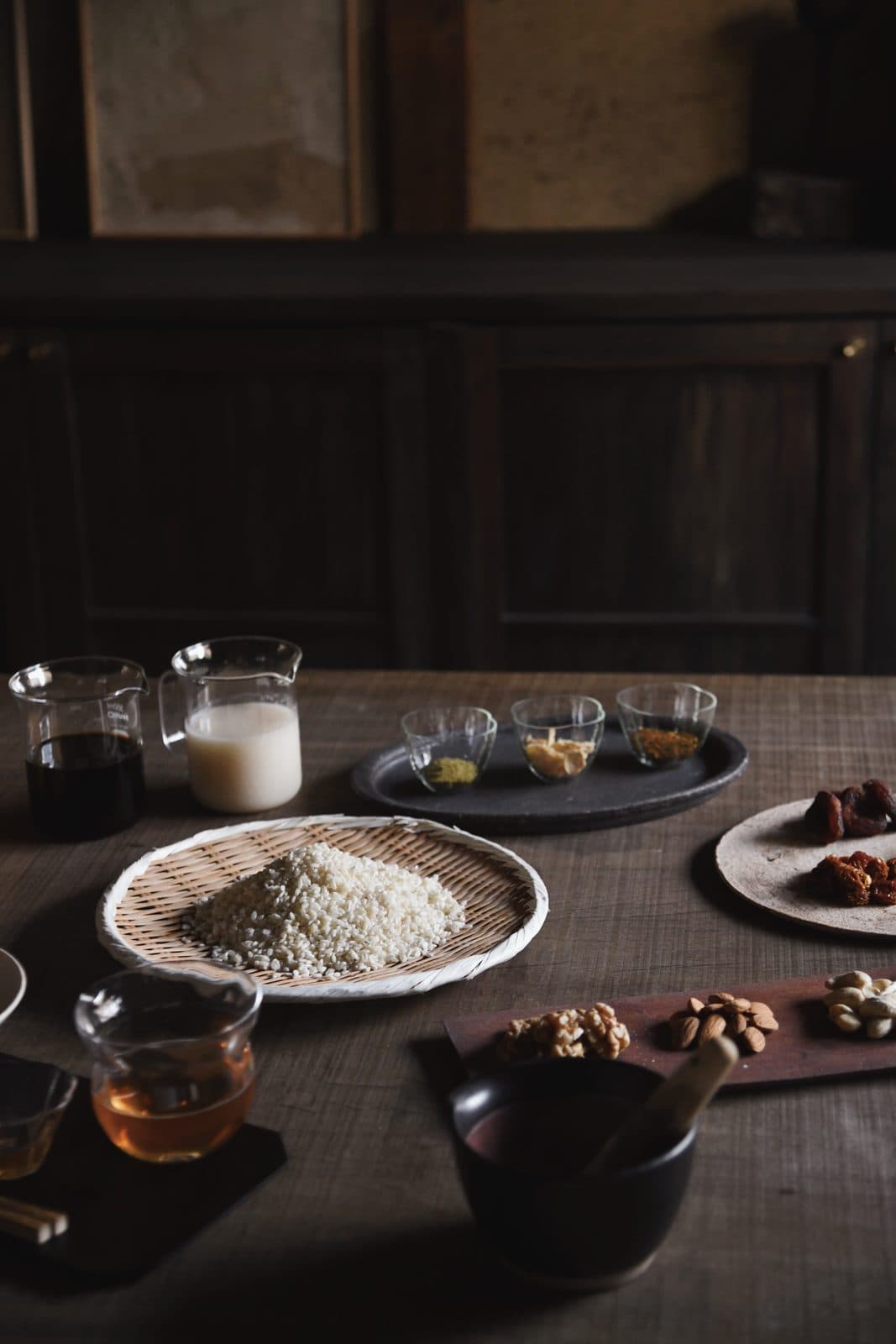
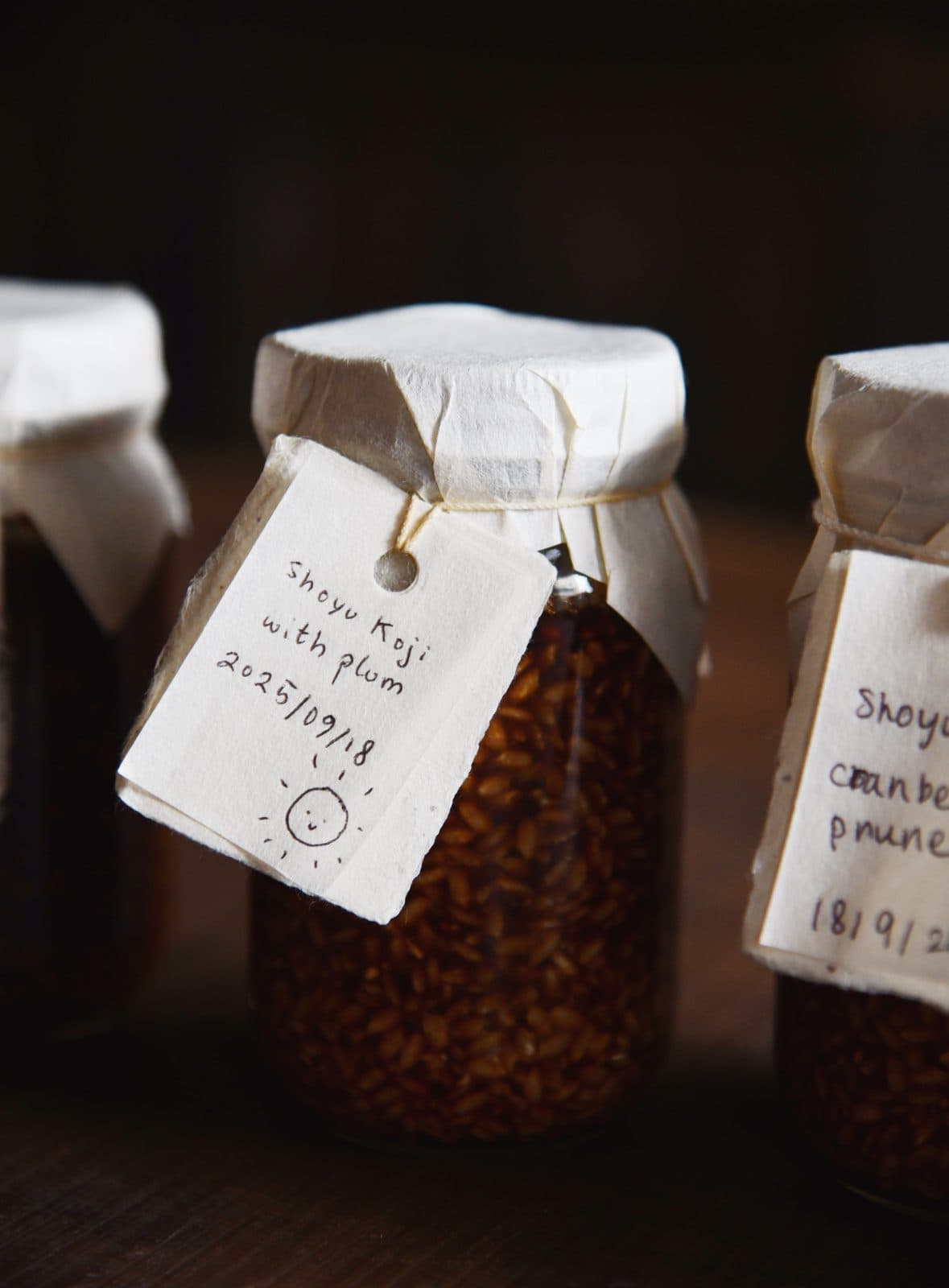
You leave with two jars of koji condiments to ferment over time, building depth and flavour that finishes on your kitchen counter.
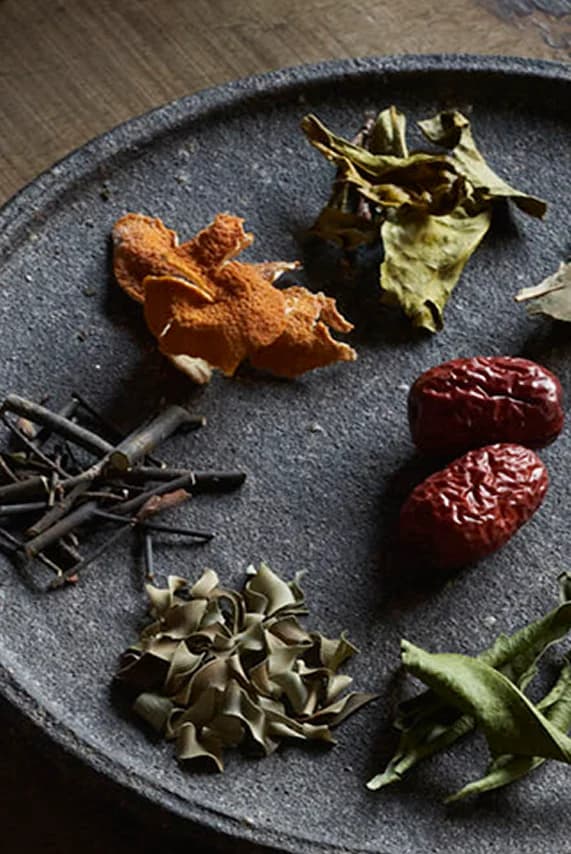
Shoyu-koji and shio-koji, with dried fruit and aromatic spices.
Your jars are nearly there — they continue fermenting at home for 7–14 days, then keep in the fridge.
One spoonful turns a bowl of rice, a piece of fish, or a salad dressing into something flavourful and gut-enriching.
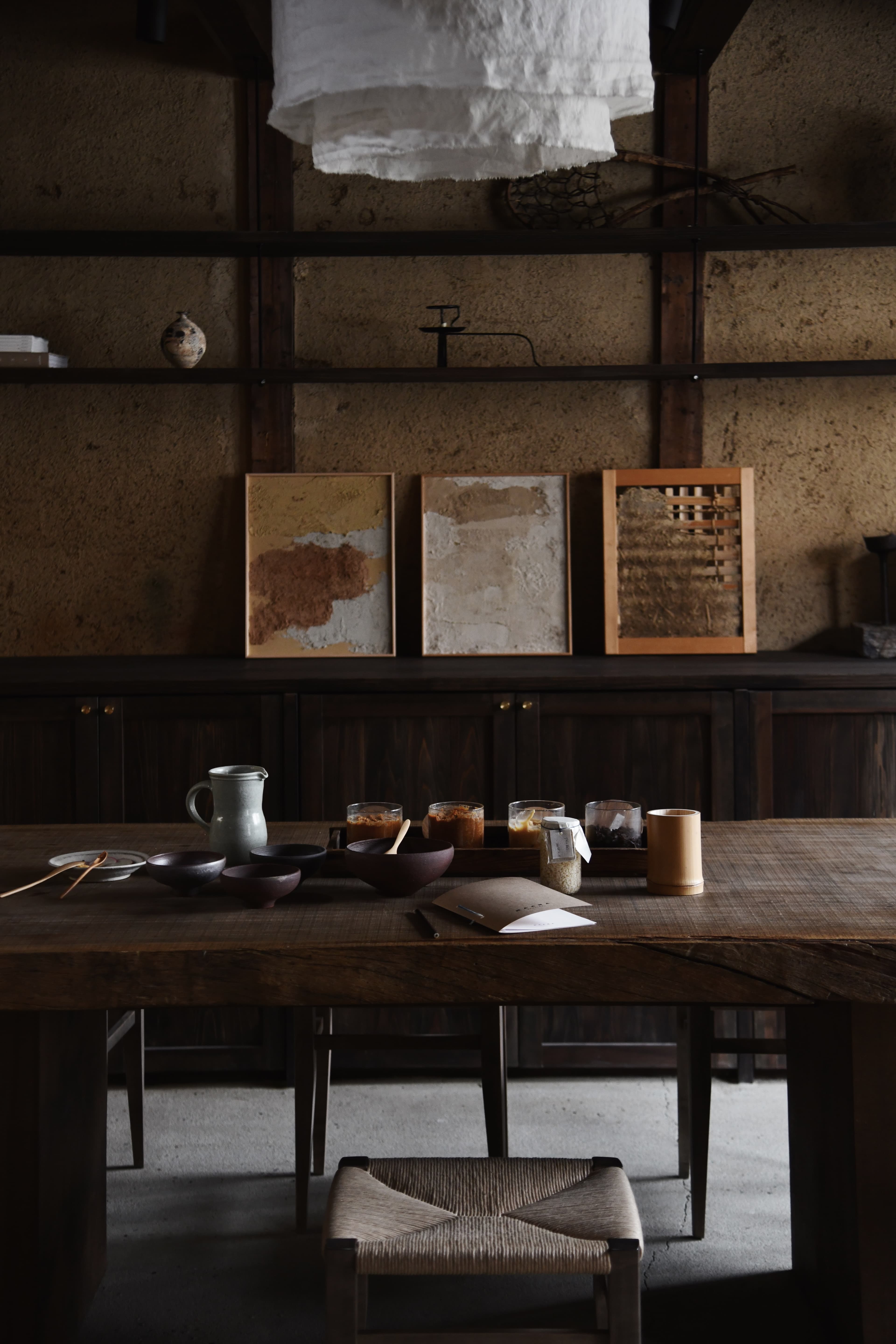
Spend 1.5 hours at the atelier with your teacher, guided from start to finish.
A seasonal cup of tea on arrival, and an introduction to fermentation across Japan.
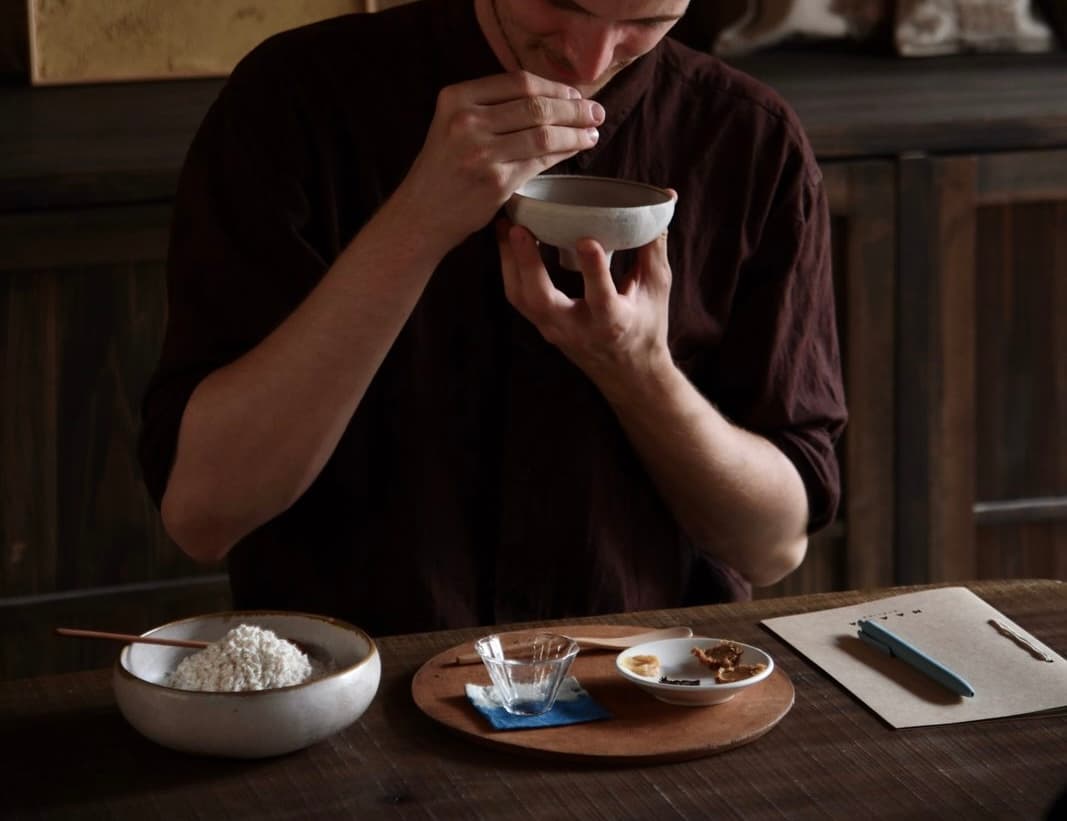
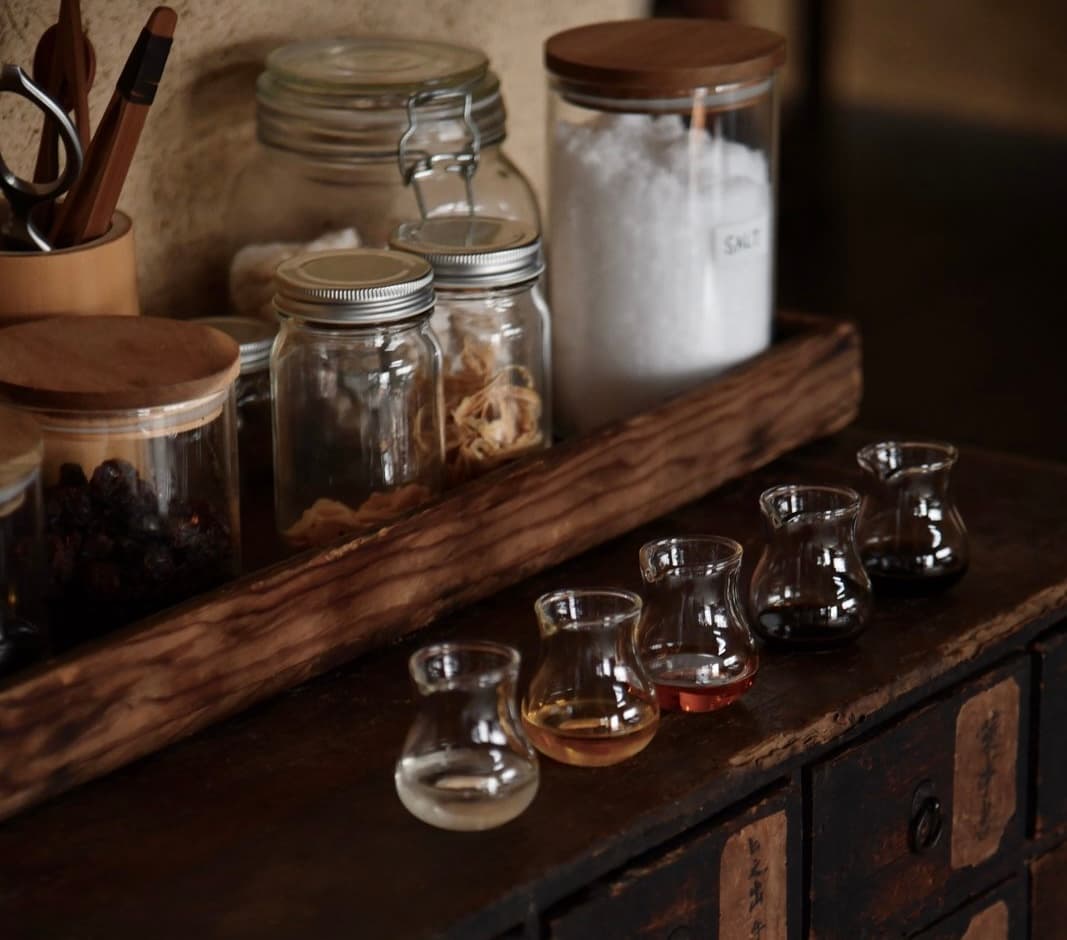
Smell and touch rice koji — the starter that drives miso, soy sauce, and saké. Taste a variety of koji-based seasonings.
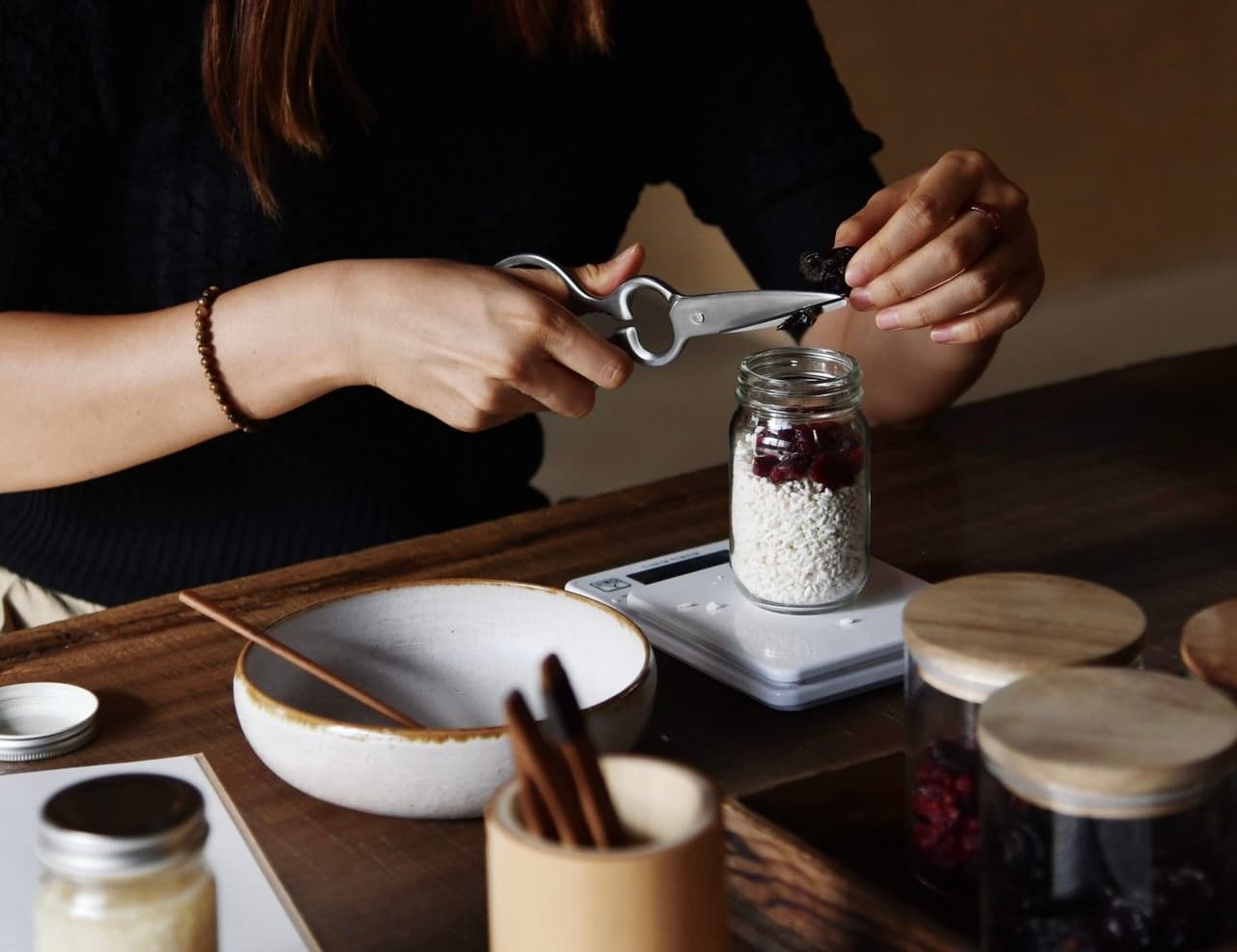
Combine koji with salt, soy sauce, dried fruit, and aromatic spices. Try your hand at creating two unique flavours.
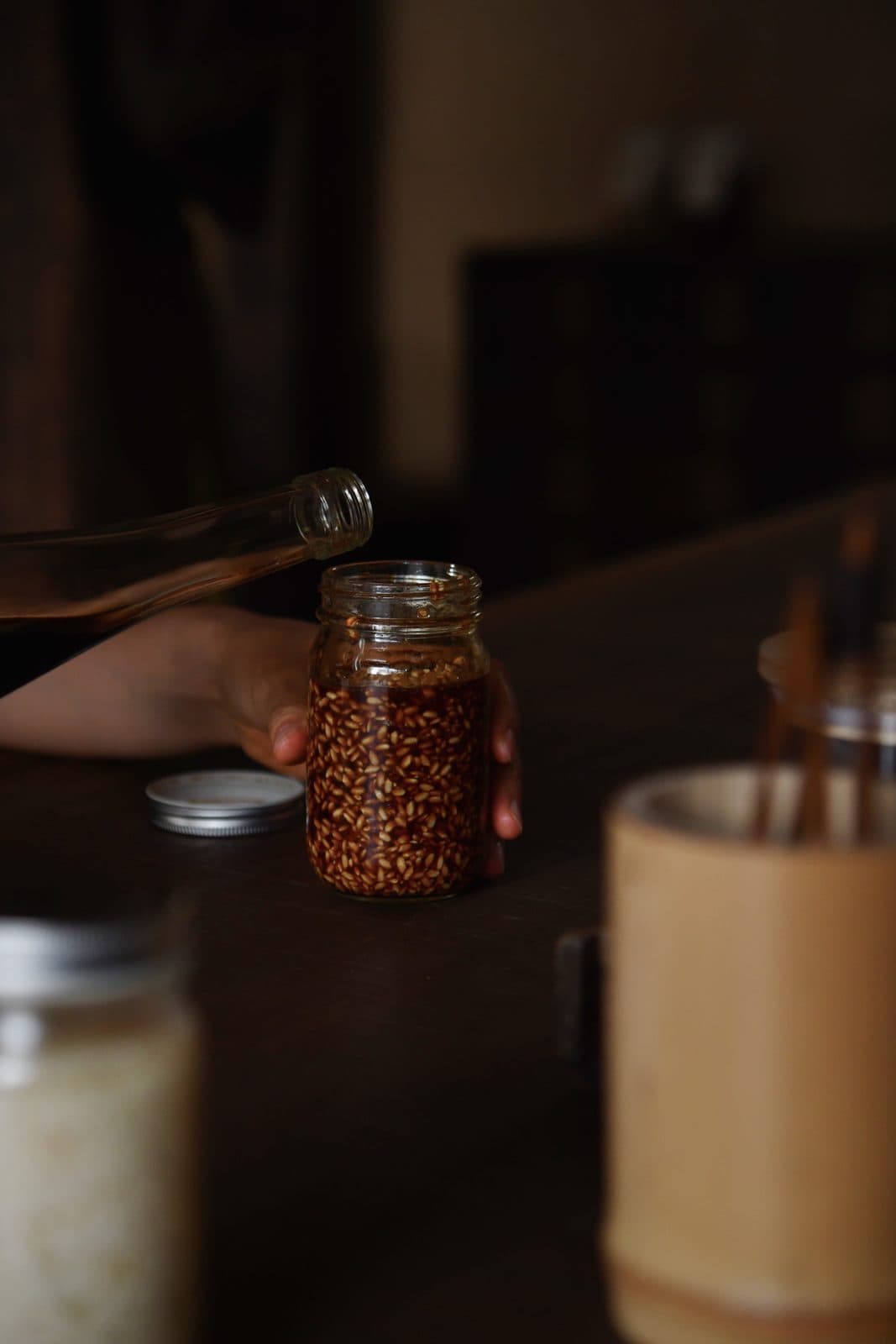
Ingredients go into a compact glass jar. Shake to mix and let the ingredients get to know each other, then label and pack for the journey home.
A few simple ways to put your jars to work — bright, fresh salads where shio-koji does the seasoning.
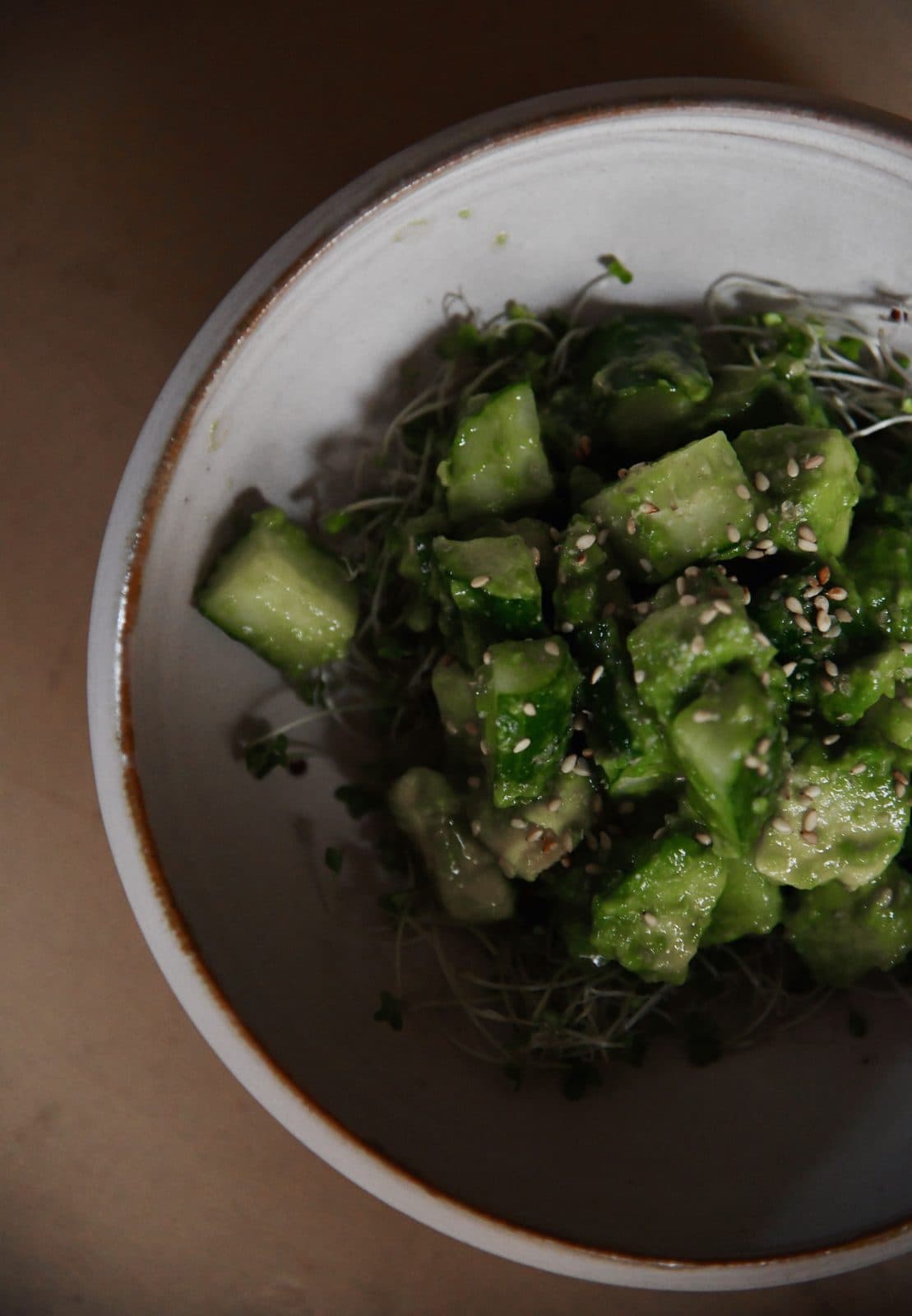
Toss and rest five minutes. The shio-koji softens the avocado and binds the cashews into a creamy dressing.
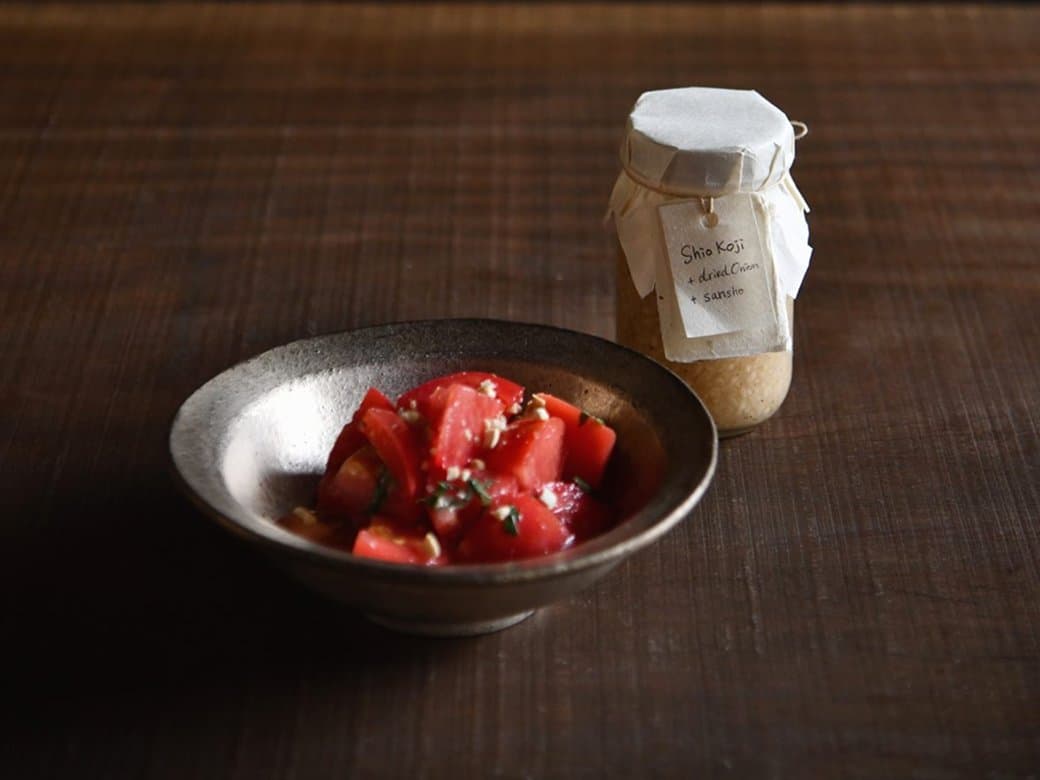
Dress just before serving. Shio-koji draws the sweetness from the tomatoes; basil and walnuts round it out.
All times JST · GMT+9
Guests come for an afternoon and leave with two jars, but here’s what stuck with them after returning home.
発酵調味料づくり体験。日本食に欠かせない「味噌」「味醂」「醤油」「酢」「酒」「麹」を五感で楽しむ素朴で贅沢な時間でした。町家を改修した内部空間は、飾り過ぎず、でも洗練され、ほどよい緊張感を醸し、ここでの「体験」が主役になるような佇まい。「衣食住が整うと、心も身体も健康になる」それを体現するような体験と空間でした。ありがとうございました。
Such a warm welcome at Maana Atelier. A thorough explanation of the different products, followed by a tasting session, then we made our own two koji cultures. Beautiful surroundings, focused atmosphere — we’d recommend it to everyone.
We did the fermented koji workshop and learned so much we can do in our own kitchen, while finding a deep appreciation for the art and tastes of fermented ingredients in Japanese cuisine. The workshop space was peaceful and stunning.
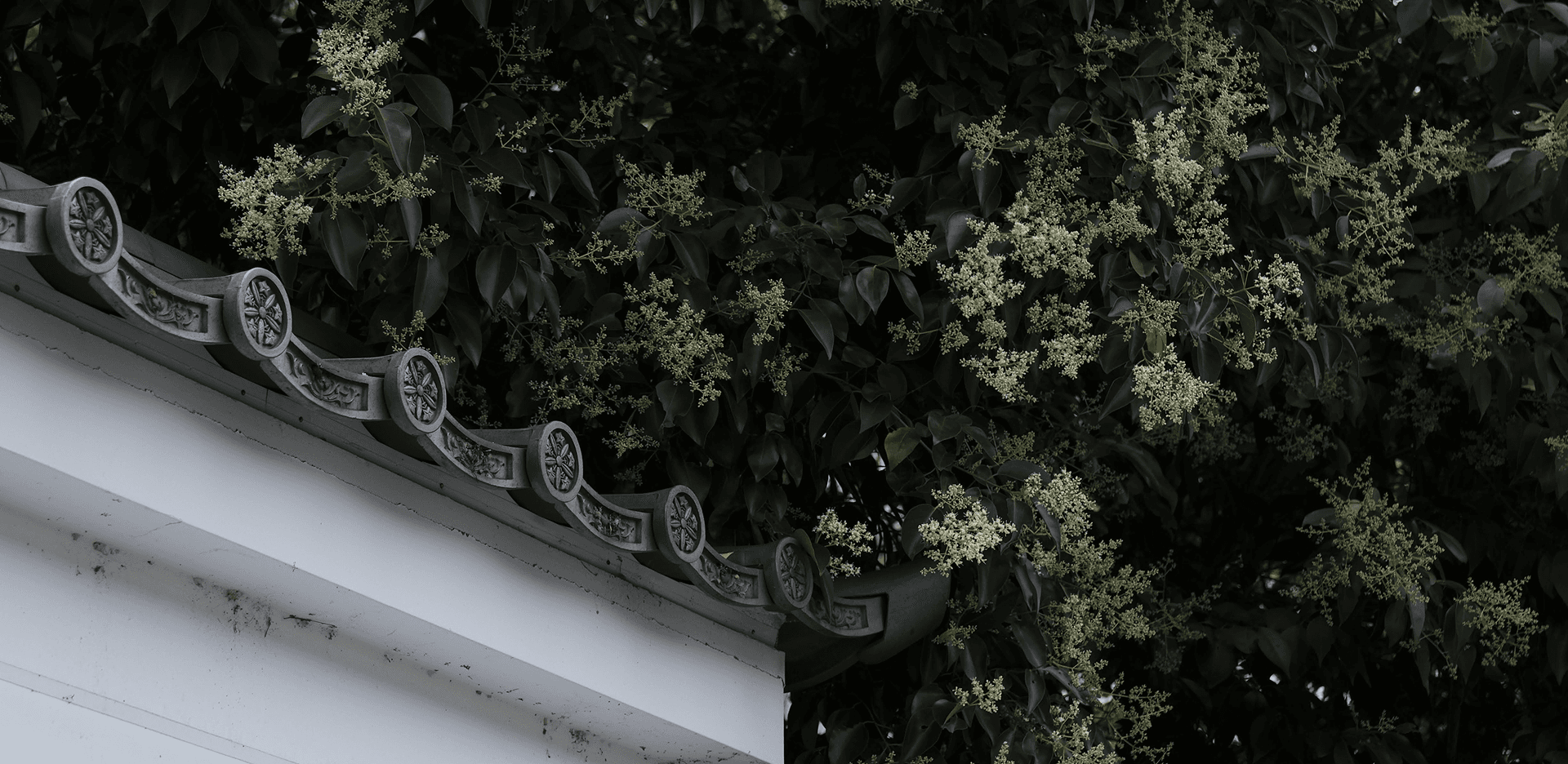
Kyoto runs at half-speed. Temple bells in the early hours. Shop curtains drifting at noon. The river quiet by dusk. The seasons change without asking permission — cherry, plum, maple, snow.
You arrive at Maana Atelier on a small street in Nishijin, the old weavers’ district. Inside, the machiya keeps its own air: cool stone, soft daylight, the smell of clay.
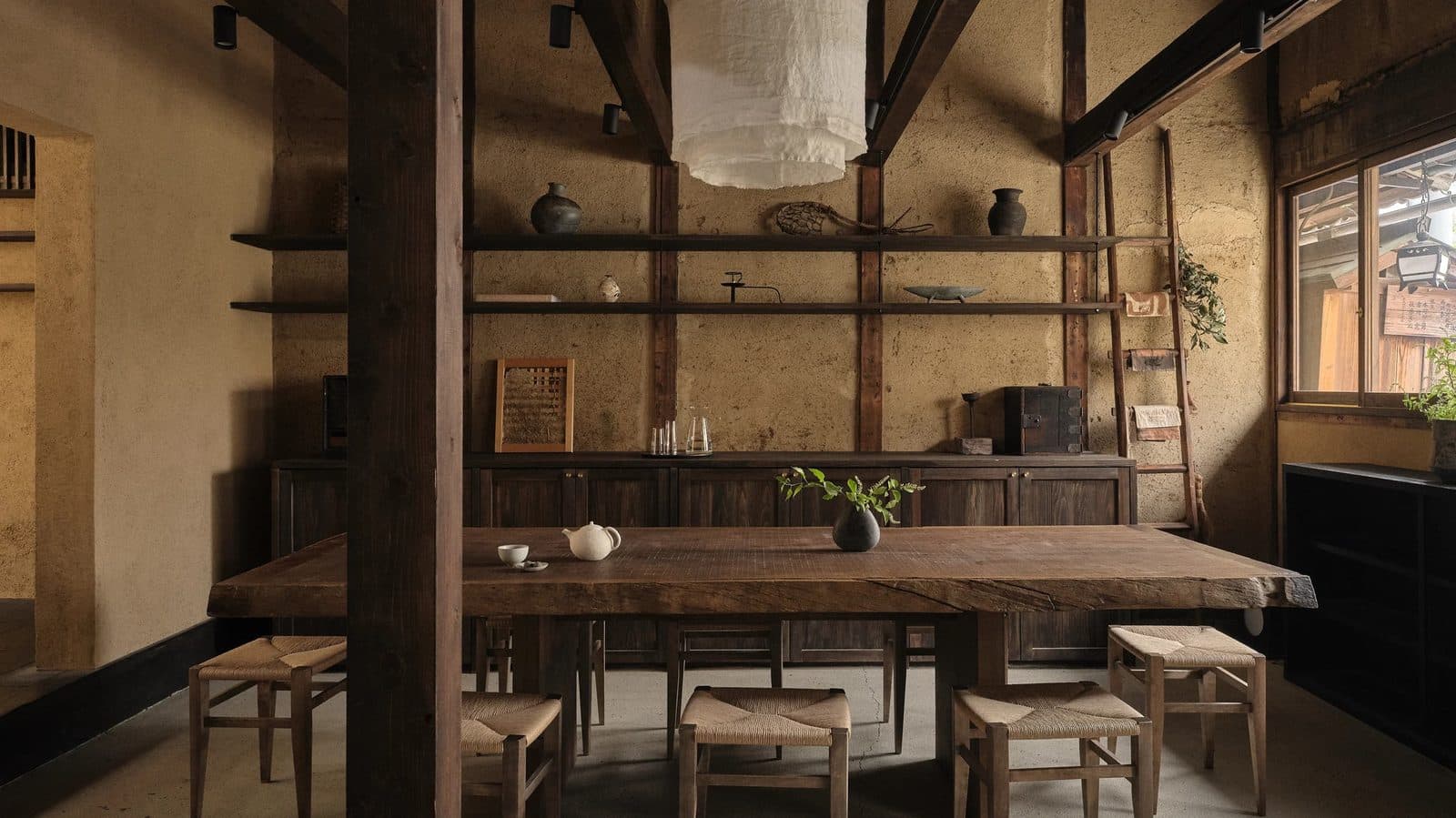
Maana Atelier is a multi-faceted space created to explore the ever-expanding passions and new offerings for our community. This traditional machiya is thoughtfully restored to reveal its raw beauty and imperfections — a place for exploration through workshops, community events, and more.
Kyoto Research Institute was founded under the direction of Momoko Nakamura. Momoko’s interest stems from 20 years of communicating and educating on cookery culture and the food system, informed by anthropological field research across the Japanese archipelago.
The Institute’s research now extends beyond food, expanding into both textile and home — with the growing understanding that each pillar of Japanese living originates from a single terroir.

All materials provided · 7-day flexible cancellation.