i.
Welcome tea
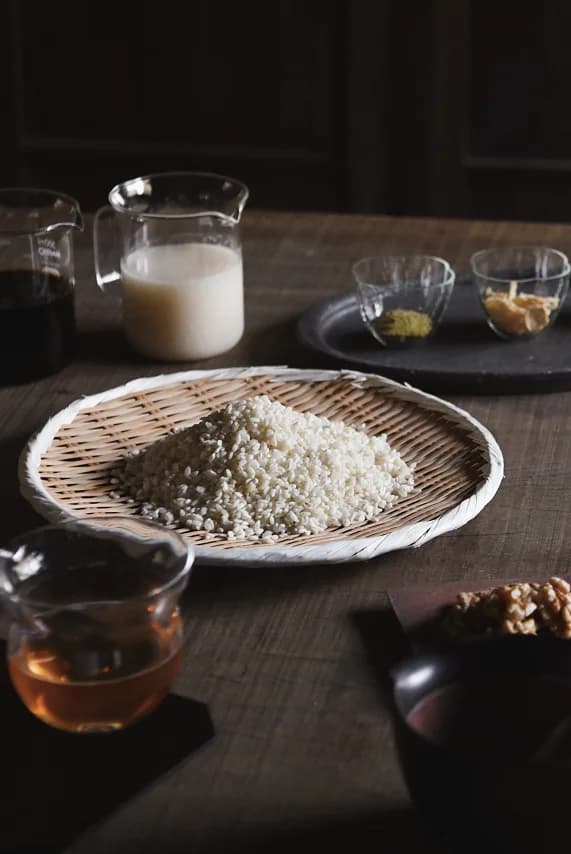
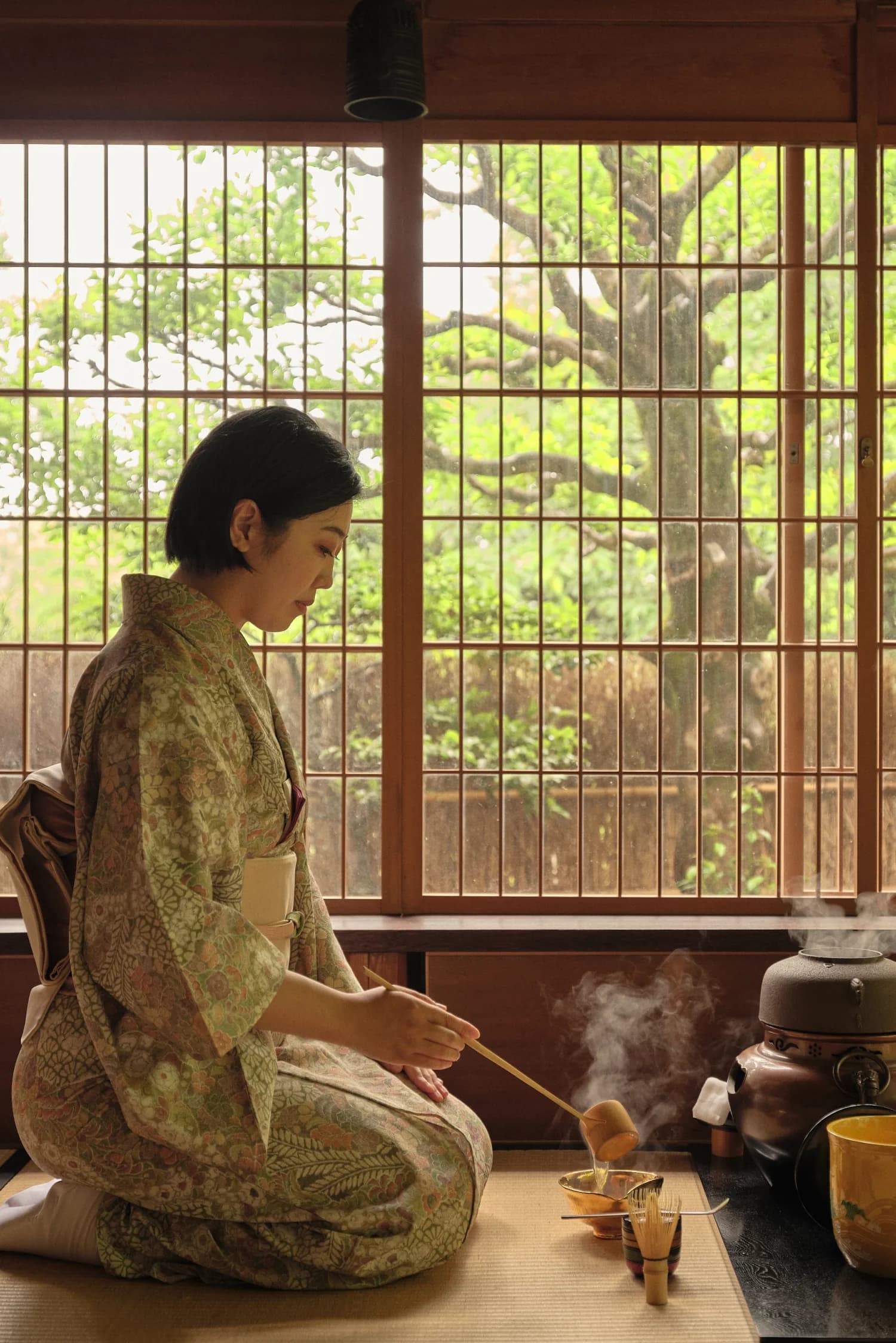
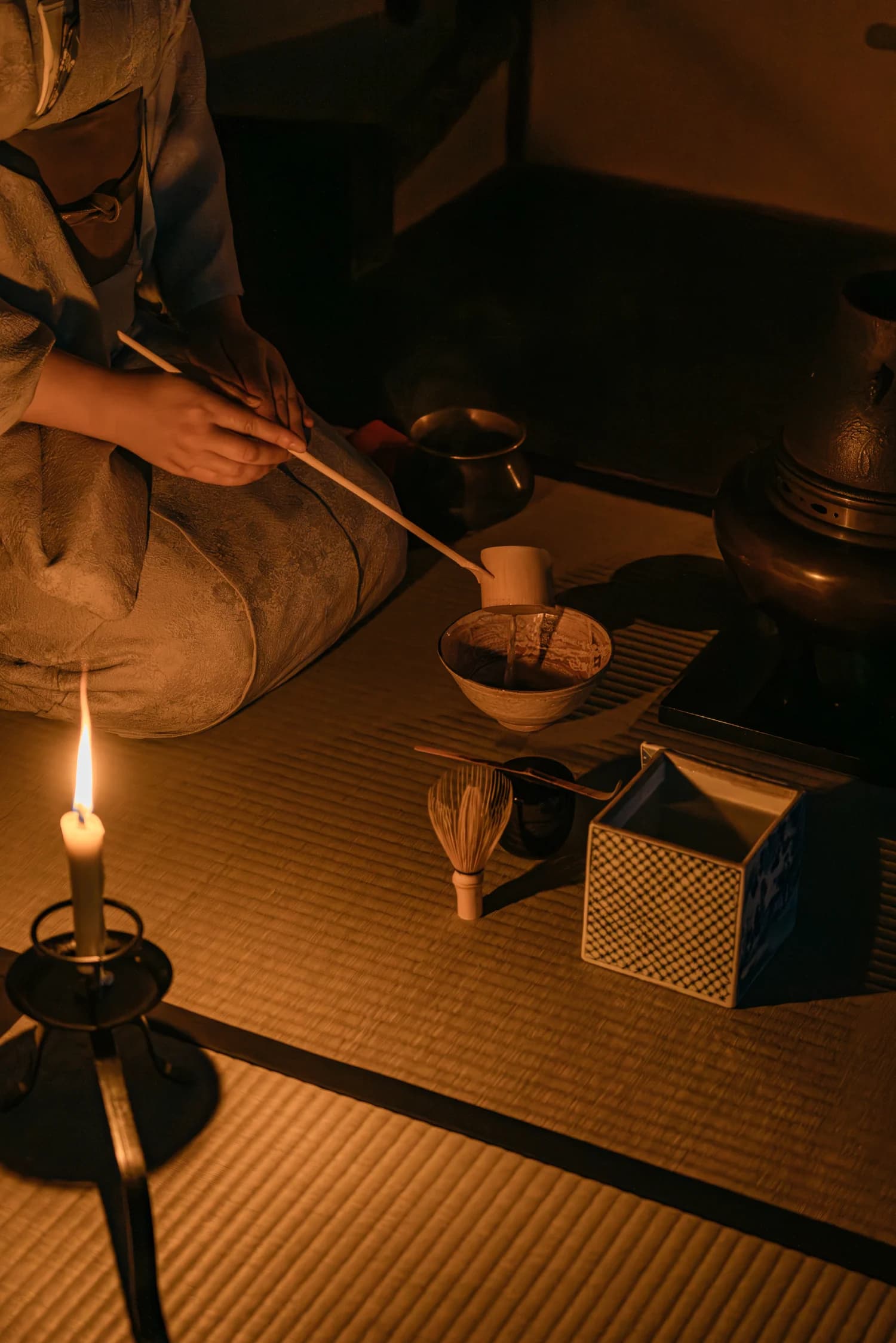
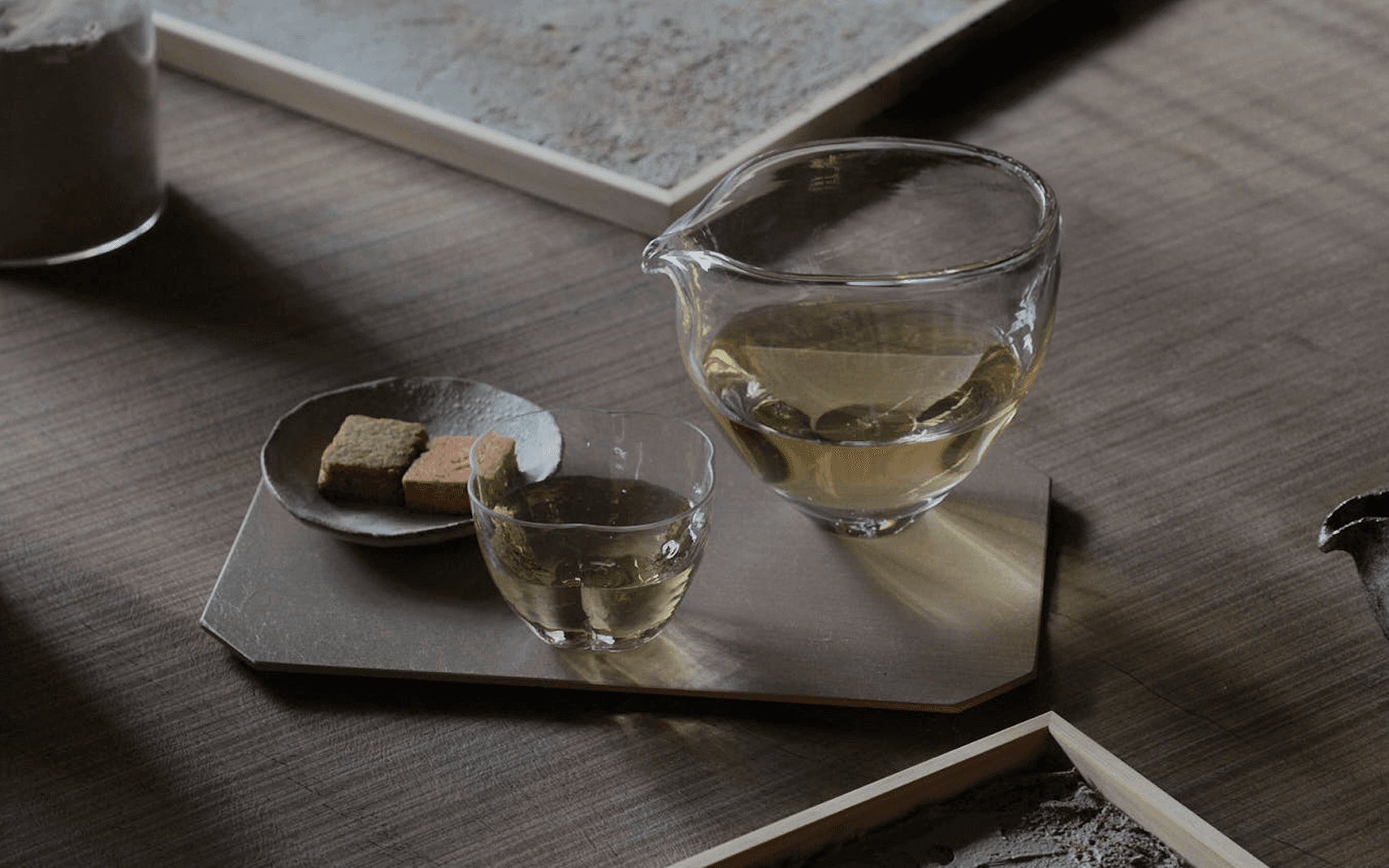
You’re greeted at the atelier with a seasonal cup of tea. Your teacher walks you through the materials and the day ahead.
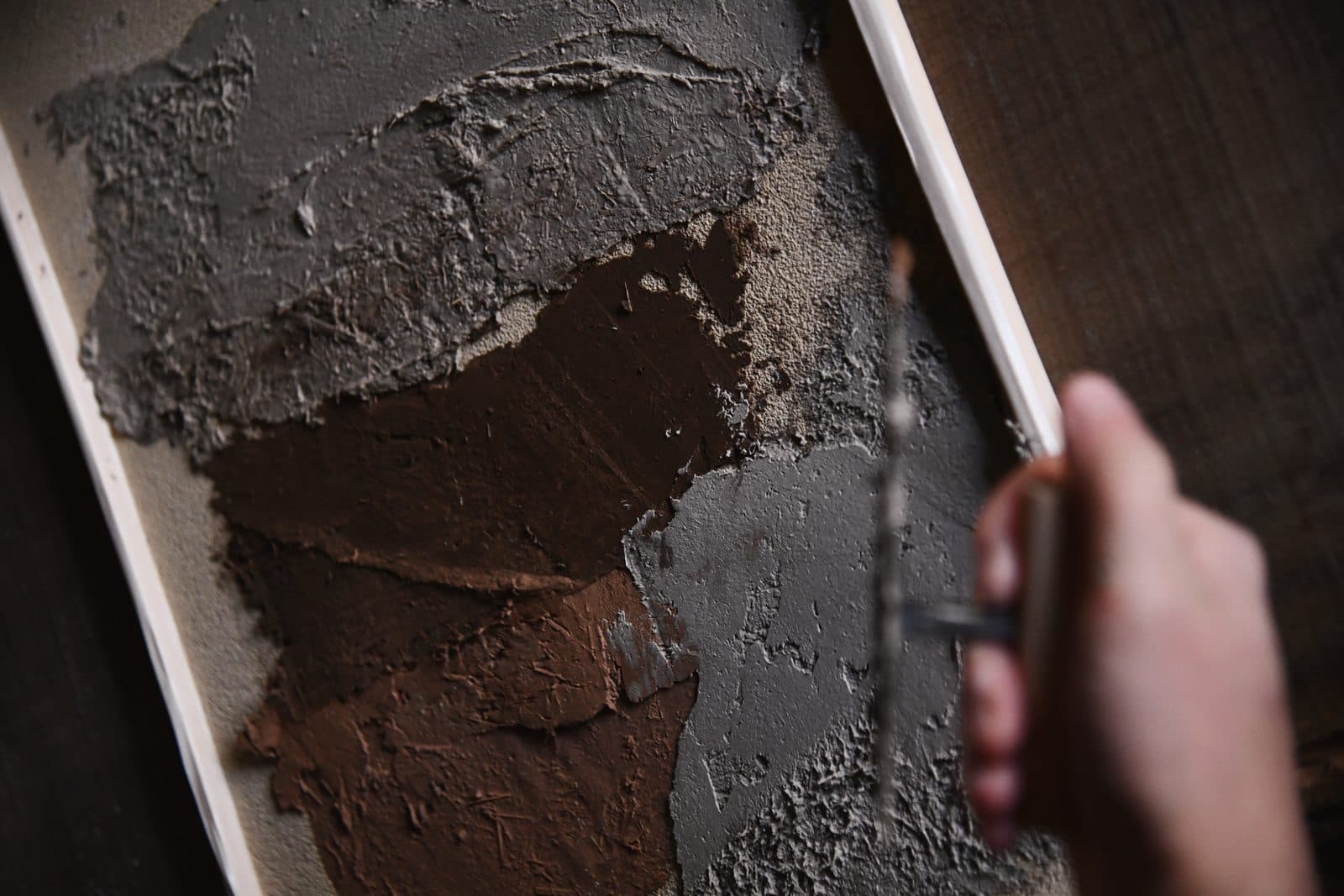
Make your own art panel using tsuchikabe — a traditional machiya wall material of clay, rice straw, sand, and seaweed.
Tsuchikabe, or earthen wall, is a key material in Kyoto’s traditional machiyas, valued not only for its durability but also for the way it supports physical and mental well-being.
A distinctive blend of clay, rice straw, sand, and seaweed, crafted by skilled craftspeople called Sakans. In our workshop, discover this traditional craft by making your own earthen wall art panel, a piece of Japan’s heritage to bring home in a meaningful way.
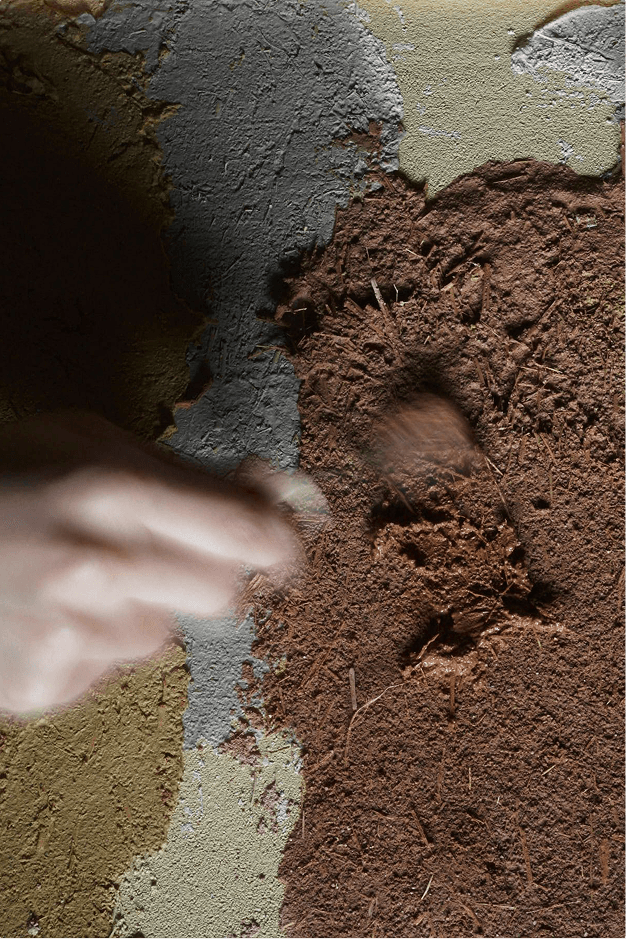
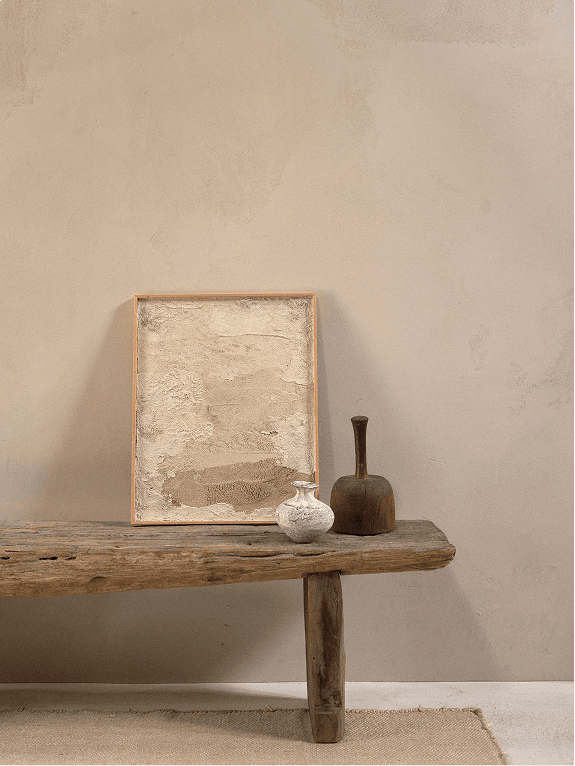
Each panel you shape is yours to keep. A piece of Kyoto’s machiya tradition, finished by your own hand and ready to display in your home.
H45 × W36 × D2 cm, on a lightweight wooden frame. Hangs flush, like a small tile of earth.
Your panel will take a day to fully dry, but you can take it home once the workshop ends, wrapped in soft padding so it fits flat in your luggage. No fragile fuss.
The same earthen mix that calms a Kyoto machiya. It softens sound, balances humidity, and settles a room.
Spend 2 hours at the atelier with your teacher, guided from start to finish.
You’re greeted at the atelier with a seasonal cup of tea. Your teacher walks you through the materials and the day ahead.
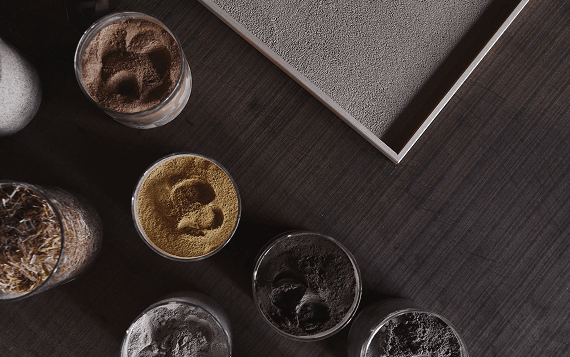
Bringing natural elements together, judging texture by feel. Balancing rice straw, sand, and seaweed under guidance from your teacher.
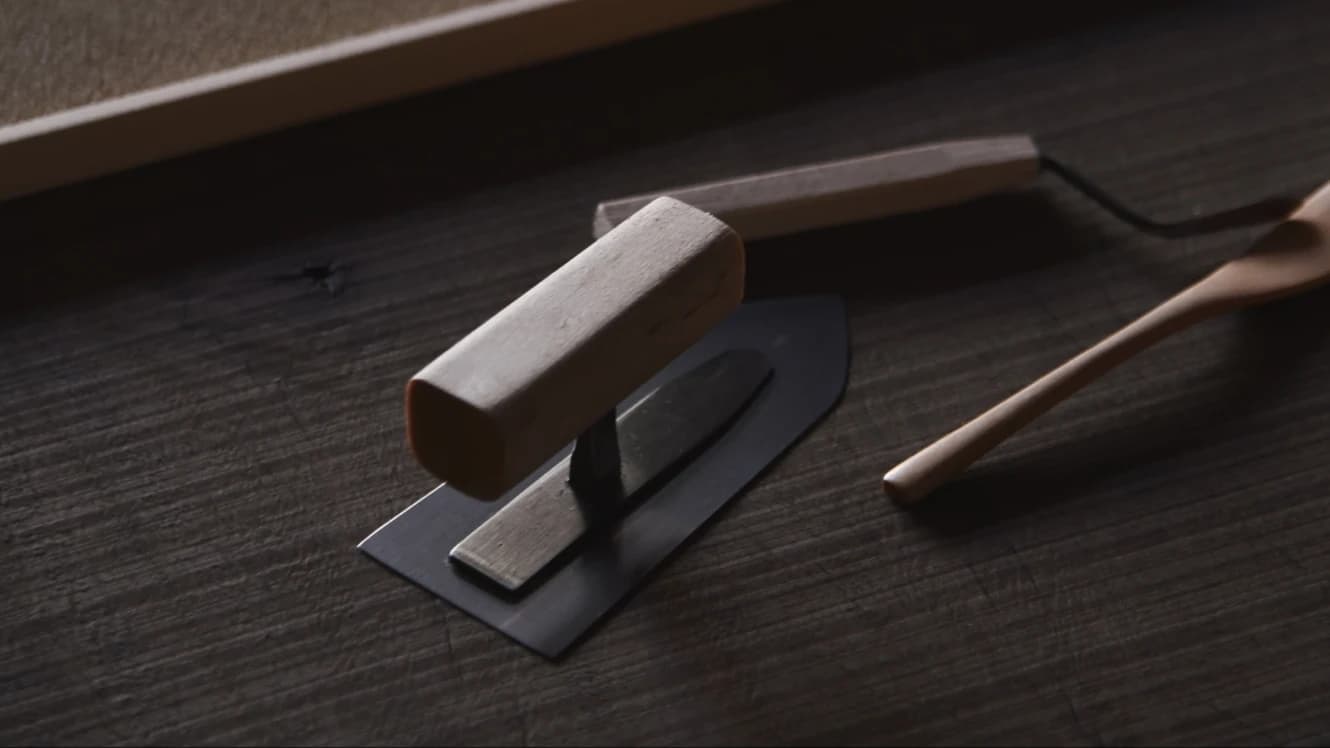
Trowel work onto your panel. Layering and smoothing — the small choices that make the piece yours.
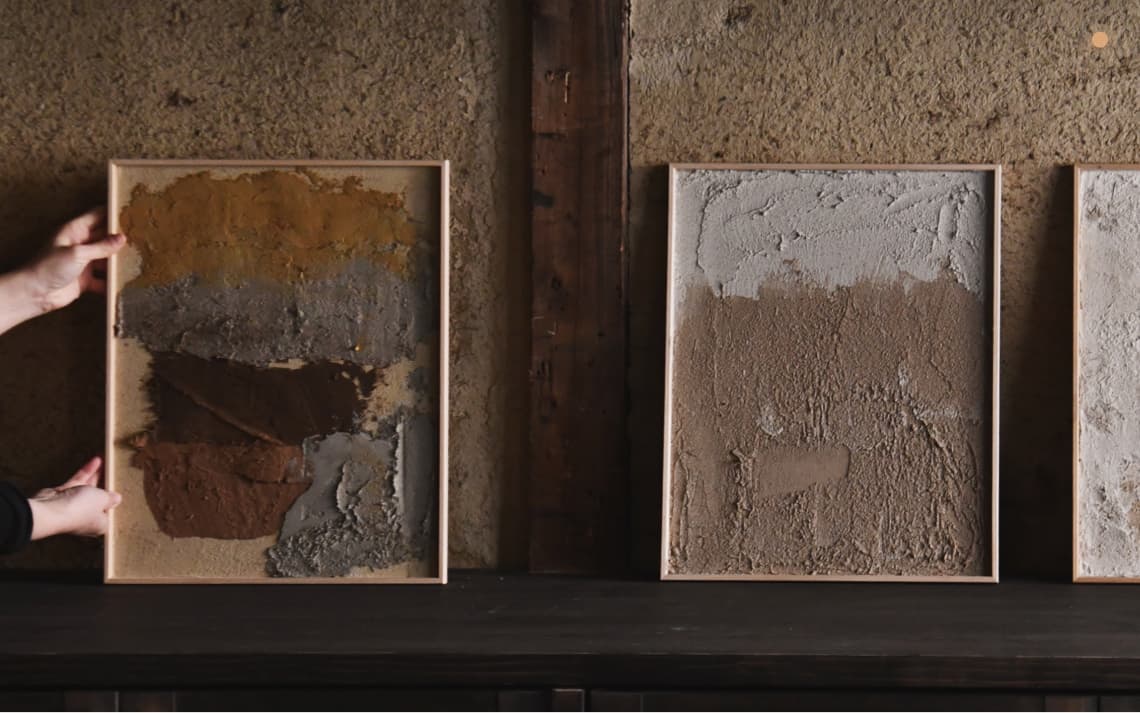
Texture, colour, edges. We pack your panel in light wrapping so it travels home safely.
All times JST · GMT+9
Guests come for an afternoon and leave with a panel, but here’s what stuck with them after returning home.
One of the most unique experiences I had in Japan. The moderator spoke perfect English and the space was so calming. Highly recommended.
Inspiring to learn the ways Japan uses ancient materials in buildings around Kyoto. Creating our own piece with full creative freedom made it a beautiful experience.
The warm environment of the renovated machiya and Tomomi’s nurturing teaching style. Smells of tea, earth and sea flowed into good conversations. My aunt and I created a beautiful memory and two art pieces together.
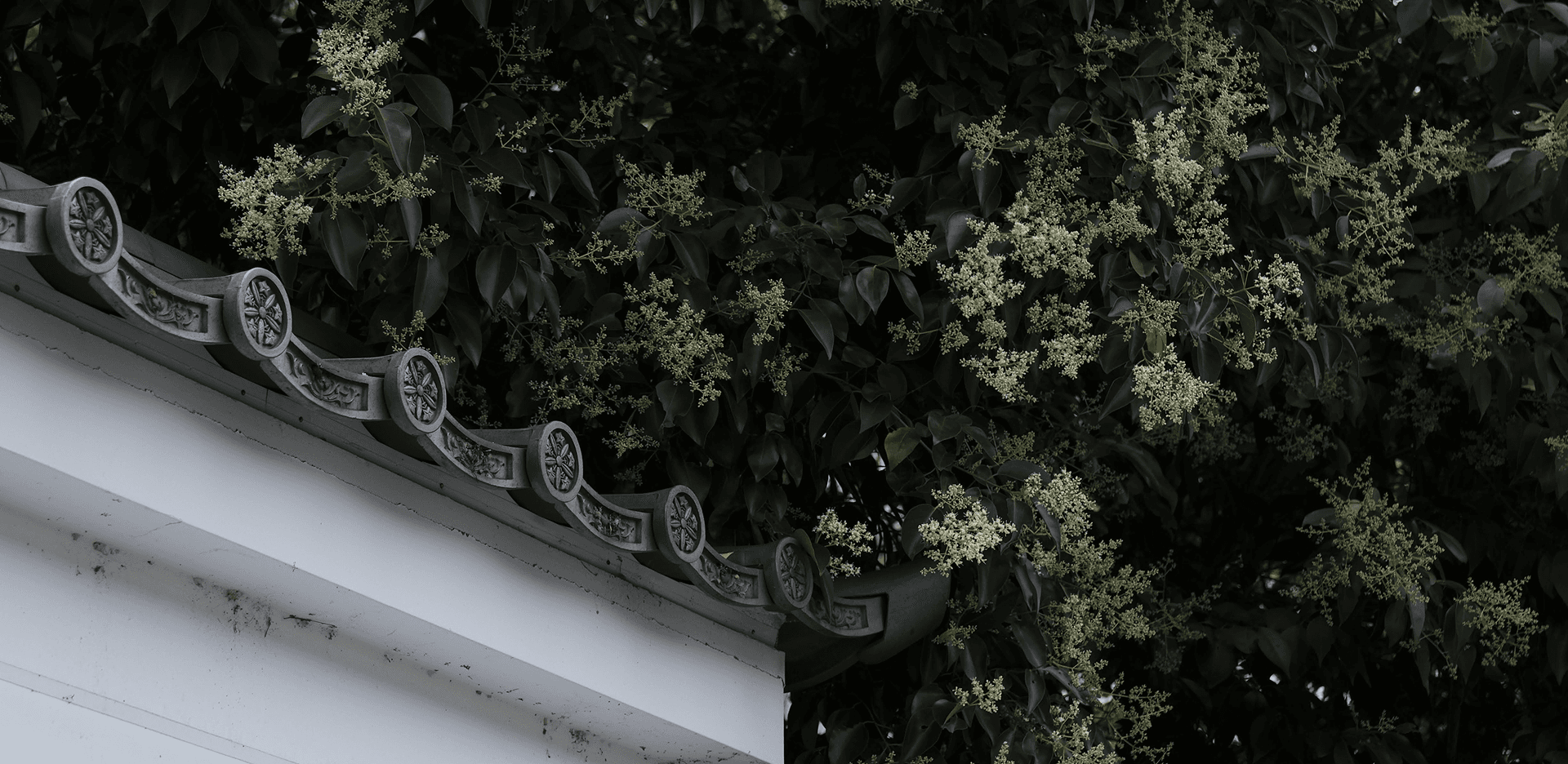
Kyoto runs at half-speed. Temple bells in the early hours. Shop curtains drifting at noon. The river quiet by dusk. The seasons change without asking permission — cherry, plum, maple, snow.
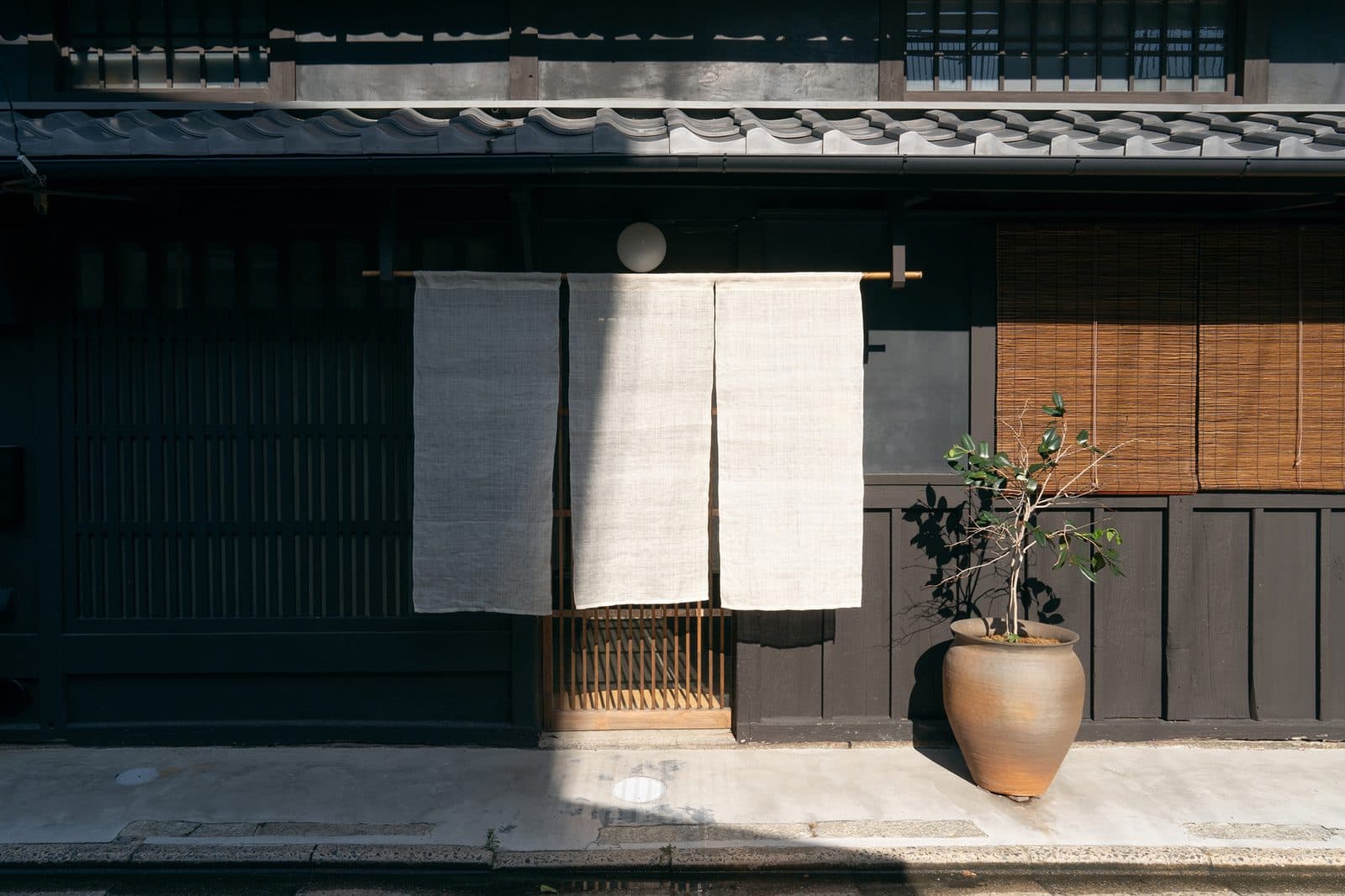
You arrive at Maana Atelier on a small street in Nishijin, the old weavers’ district. Inside, the machiya keeps its own air: cool stone, soft daylight, the smell of clay.
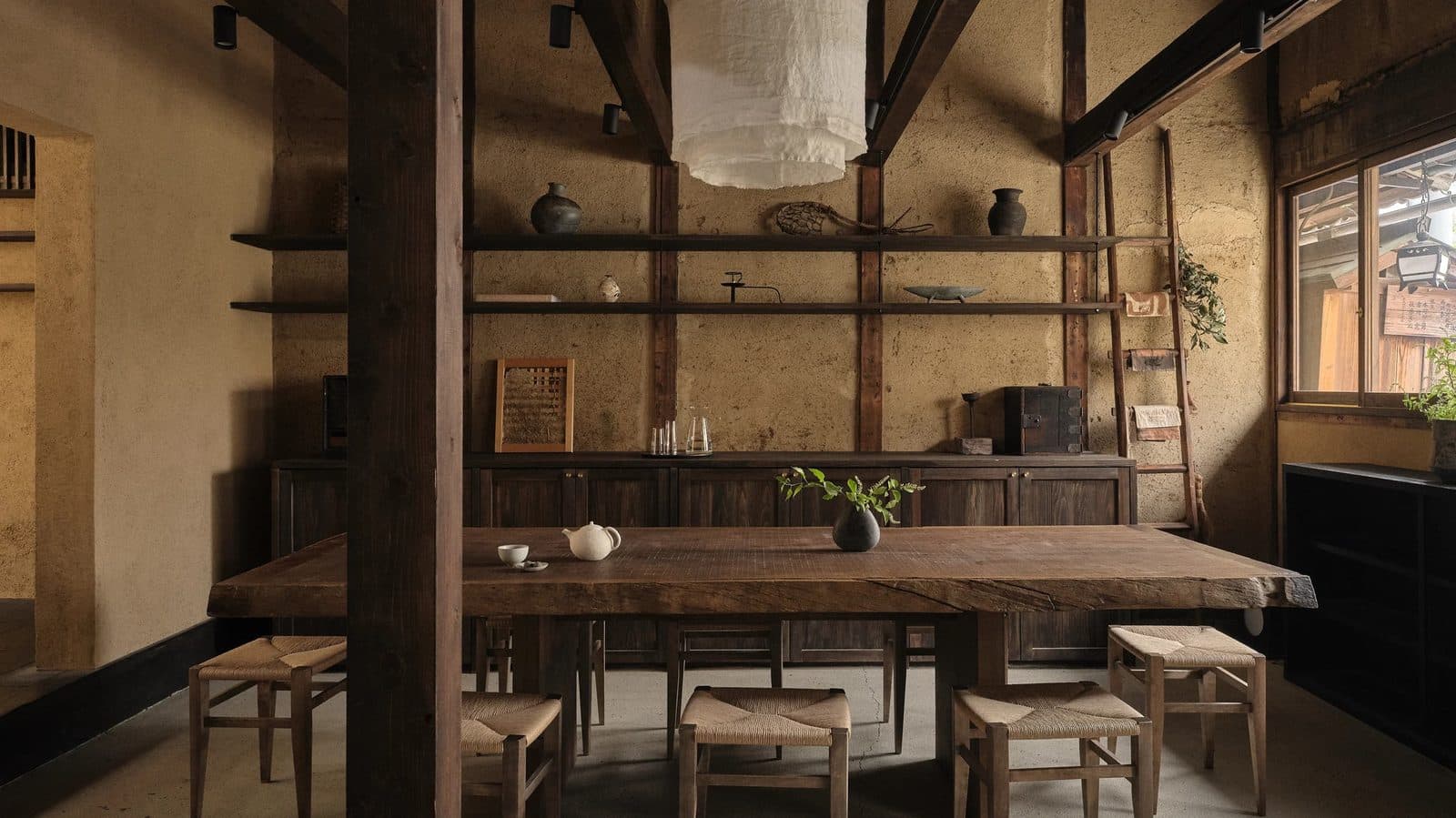
Maana Atelier is a multi-faceted space created to explore the ever-expanding passions and new offerings for our community. This traditional machiya is thoughtfully restored to reveal its raw beauty and imperfections — a place for exploration through workshops, community events, and more.
Kyoto Research Institute was founded under the direction of Momoko Nakamura. Momoko’s interest stems from 20 years of communicating and educating on cookery culture and the food system, informed by anthropological field research across the Japanese archipelago.
The Institute’s research now extends beyond food, expanding into both textile and home — with the growing understanding that each pillar of Japanese living originates from a single terroir.
All materials provided · 7-day flexible cancellation.