i.
Welcome tea
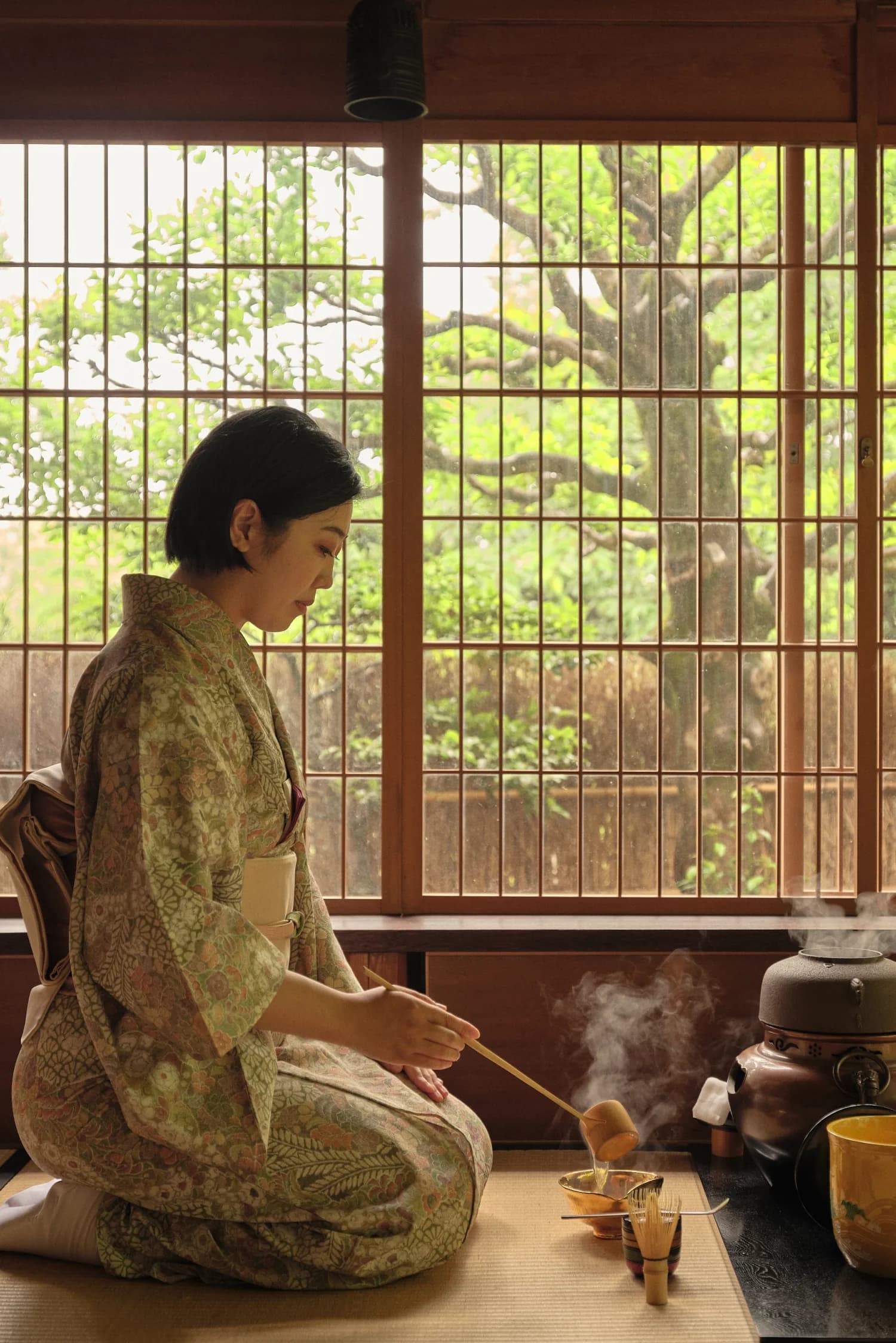
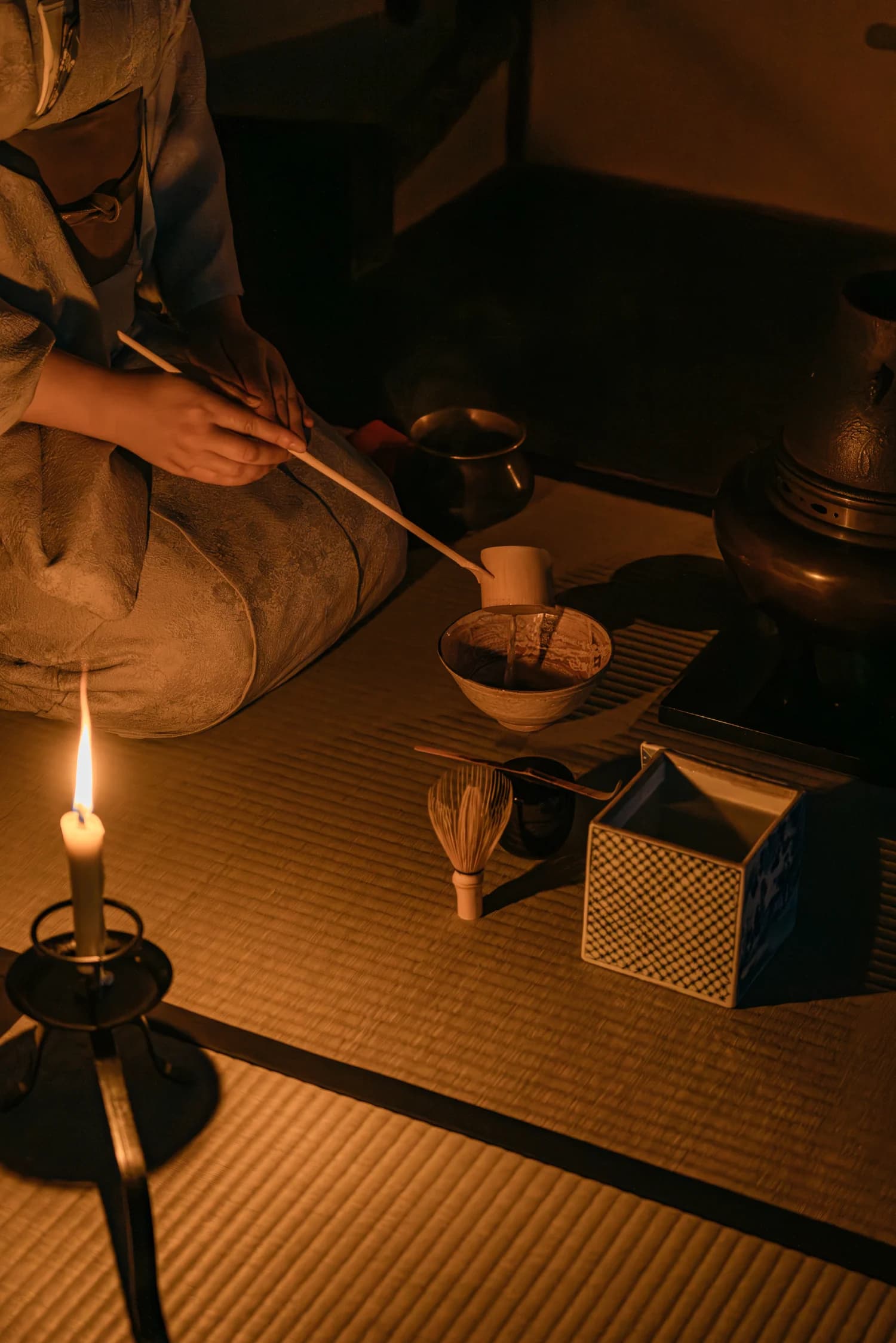
A seasonal cup of tea on arrival, and an introduction to fermentation across Japan.
Make your own Japanese kitchen condiments from koji-fermented rice, the quiet engine of every umami flavour.
Shoyu, sake, mirin, miso — the staples of the Japanese table, all built on a single quiet foundation: koji, the national mould of Japan. Inoculated onto rice, barley, or soy, koji is the starter that turns ingredients into the fermented umami the islands are known for.
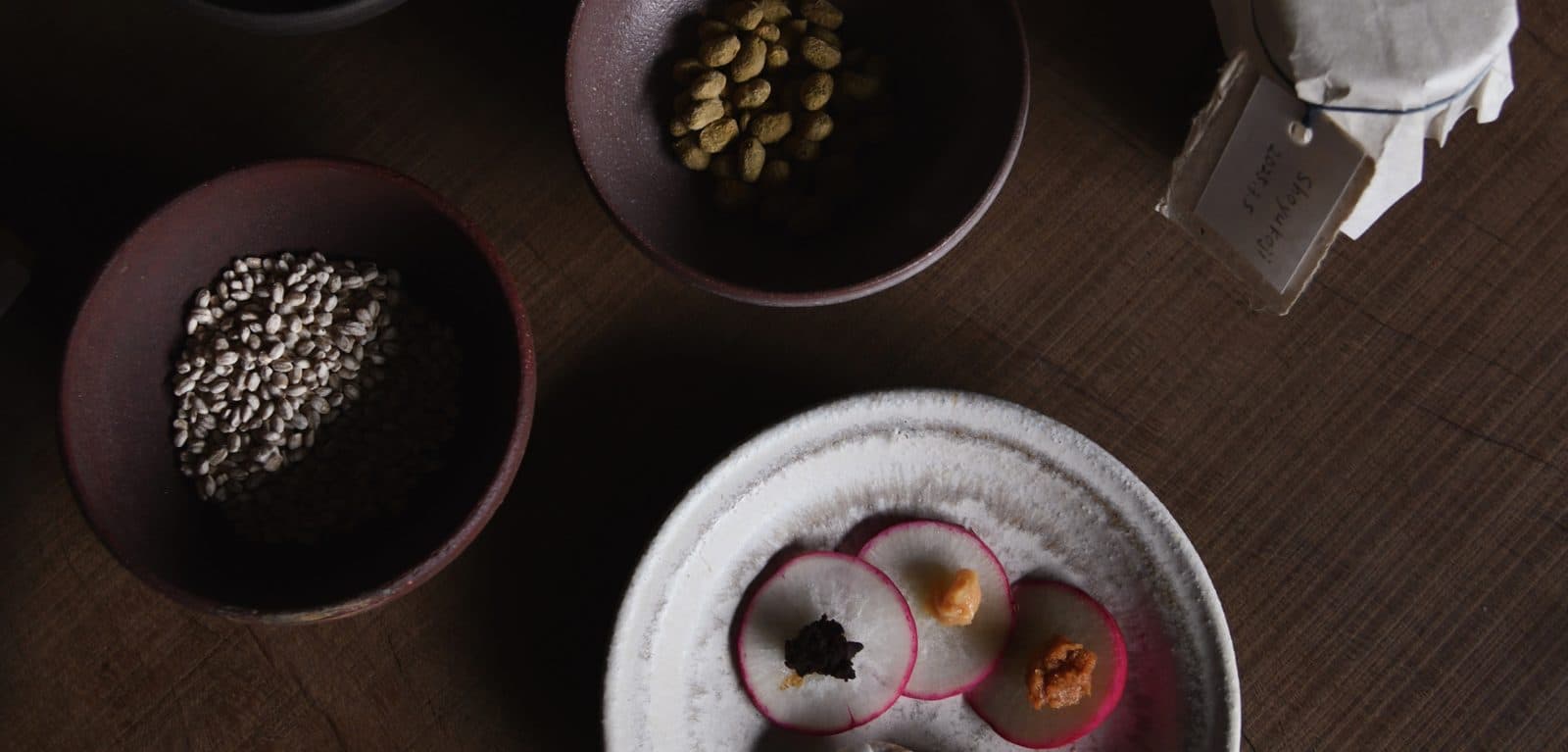
In this workshop, you’ll learn all about koji and how its use evolves across the Japanese archipelago, giving rise to different flavours and effects. Then, make two personalized condiments for your own pantry: shoyu-koji rich with dried fruit, and shio-koji with aromatic spices.
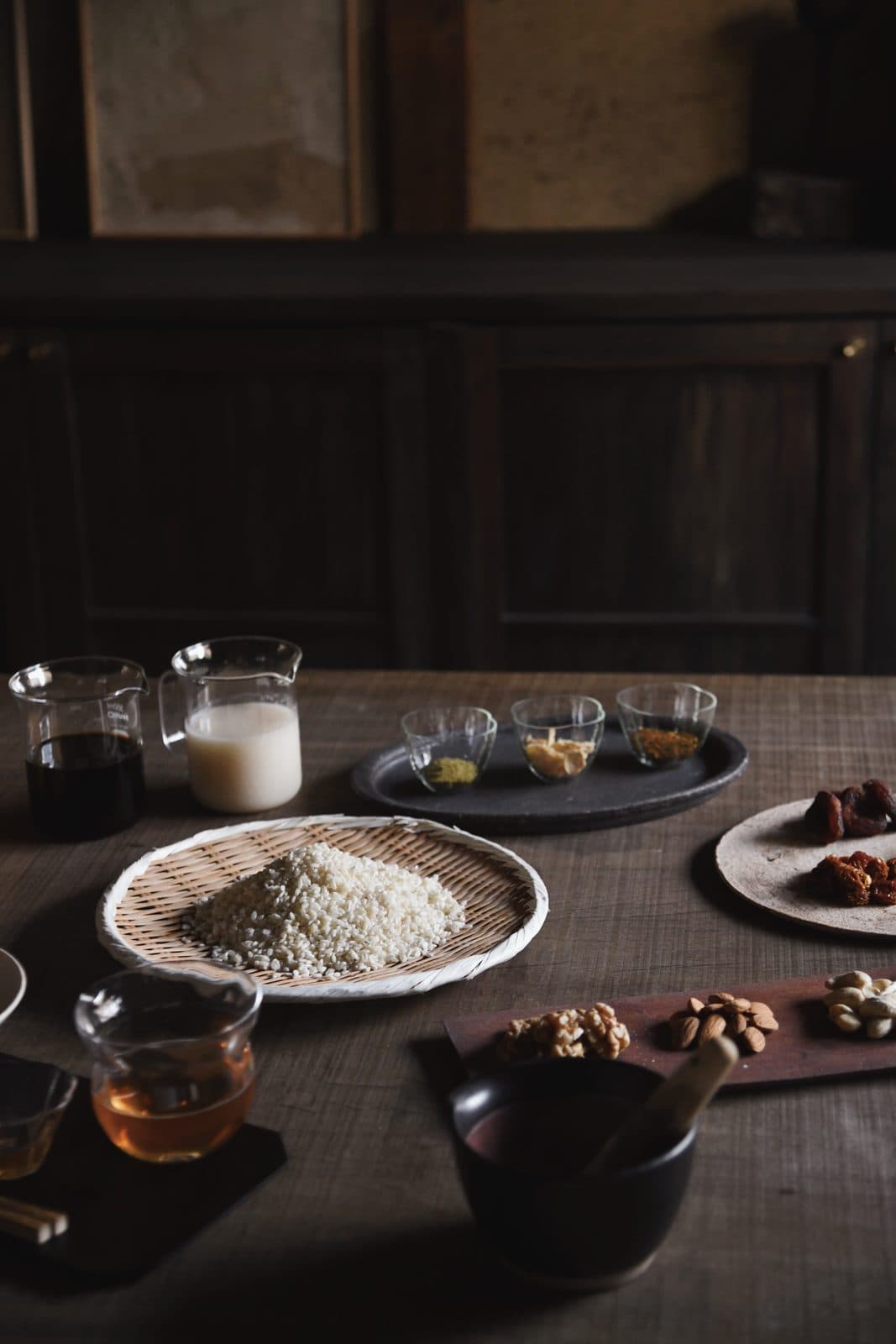
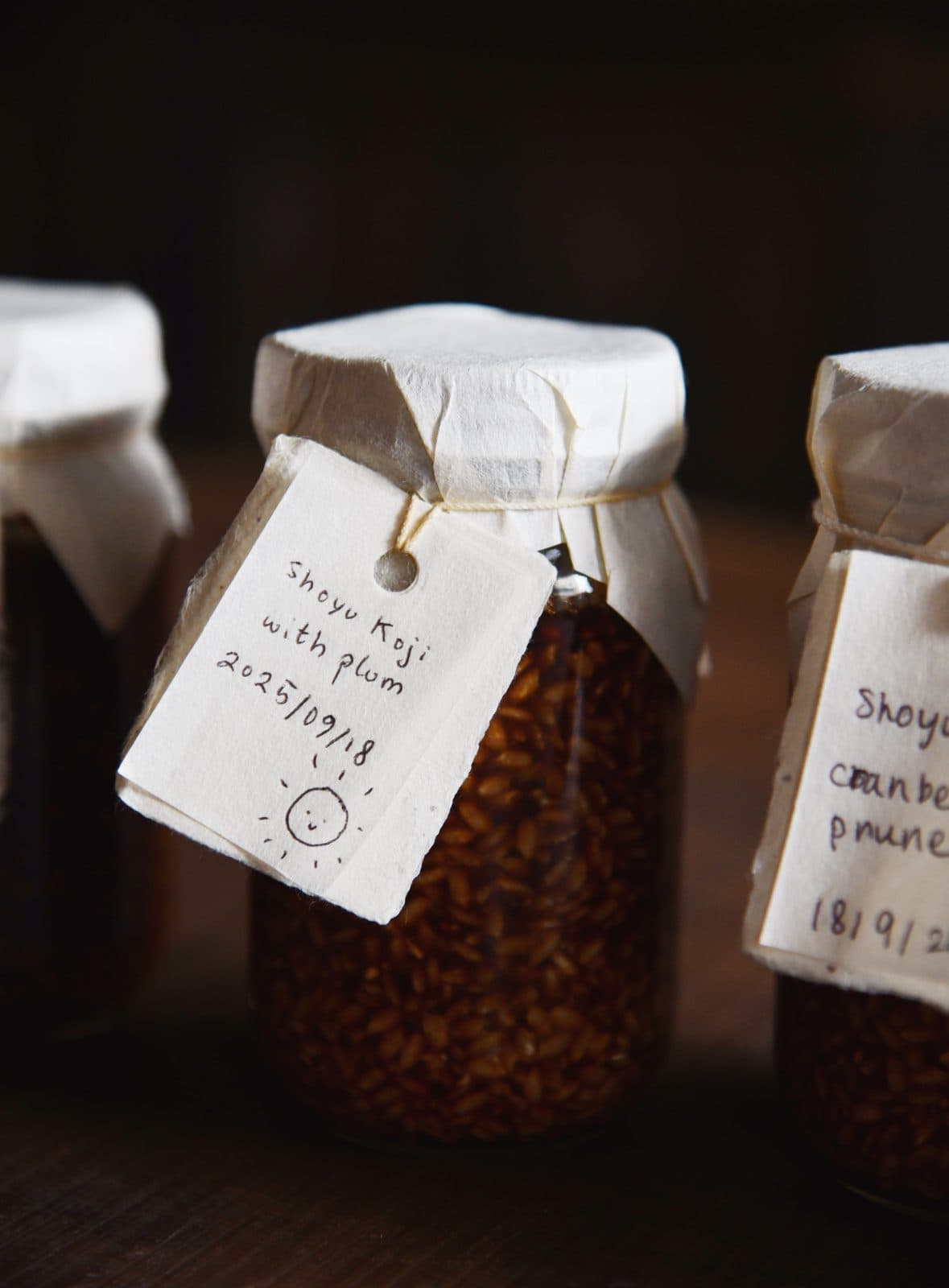
You leave with two jars of koji condiments to ferment over time, building depth and flavour that finishes on your kitchen counter.
Shoyu-koji and shio-koji, with dried fruit and aromatic spices.
Your jars are nearly there — they continue fermenting at home for 7–14 days, then keep in the fridge.
One spoonful turns a bowl of rice, a piece of fish, or a salad dressing into something flavourful and gut-enriching.
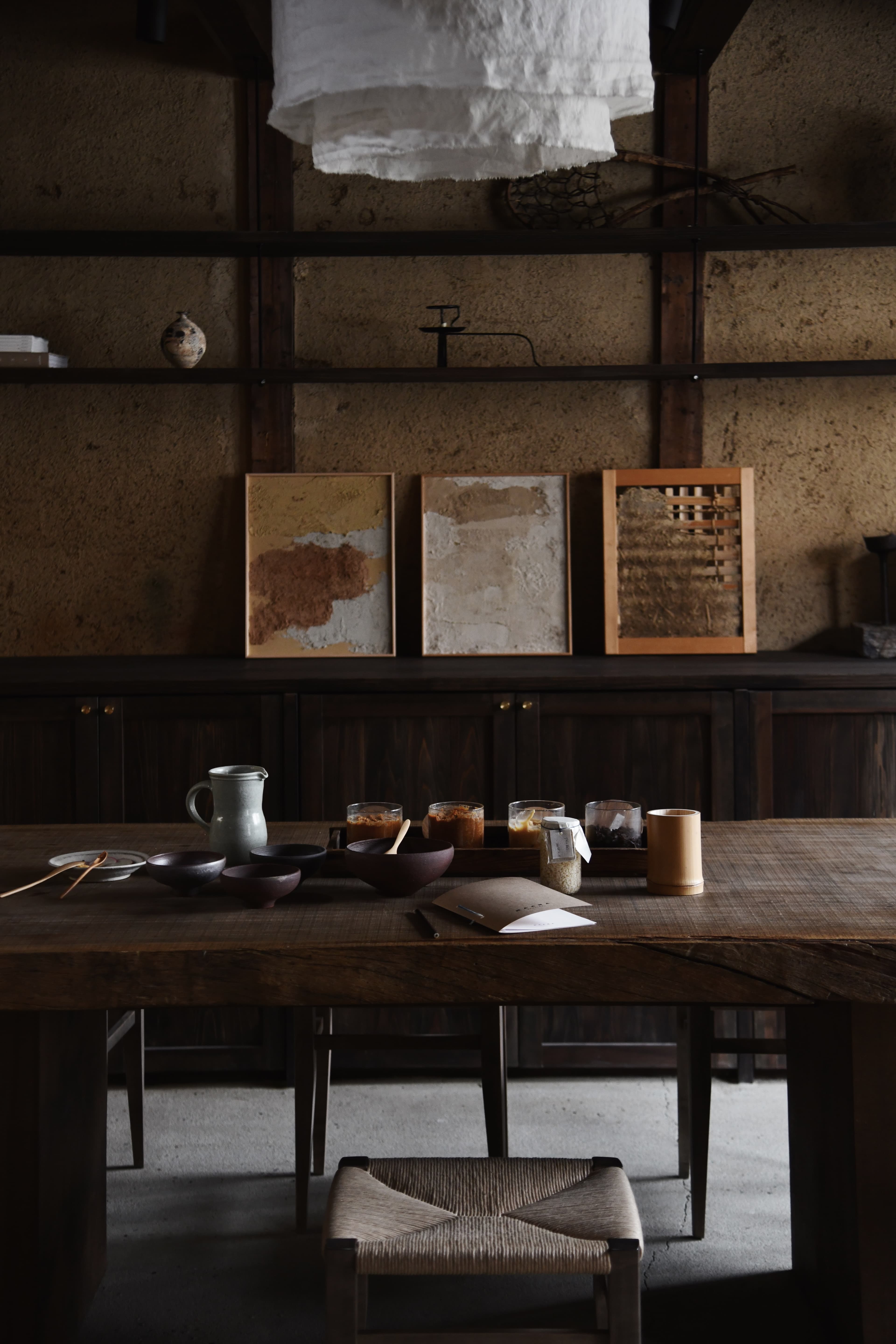
Spend 1.5 hours at the atelier with your teacher, guided from start to finish.
A seasonal cup of tea on arrival, and an introduction to fermentation across Japan.
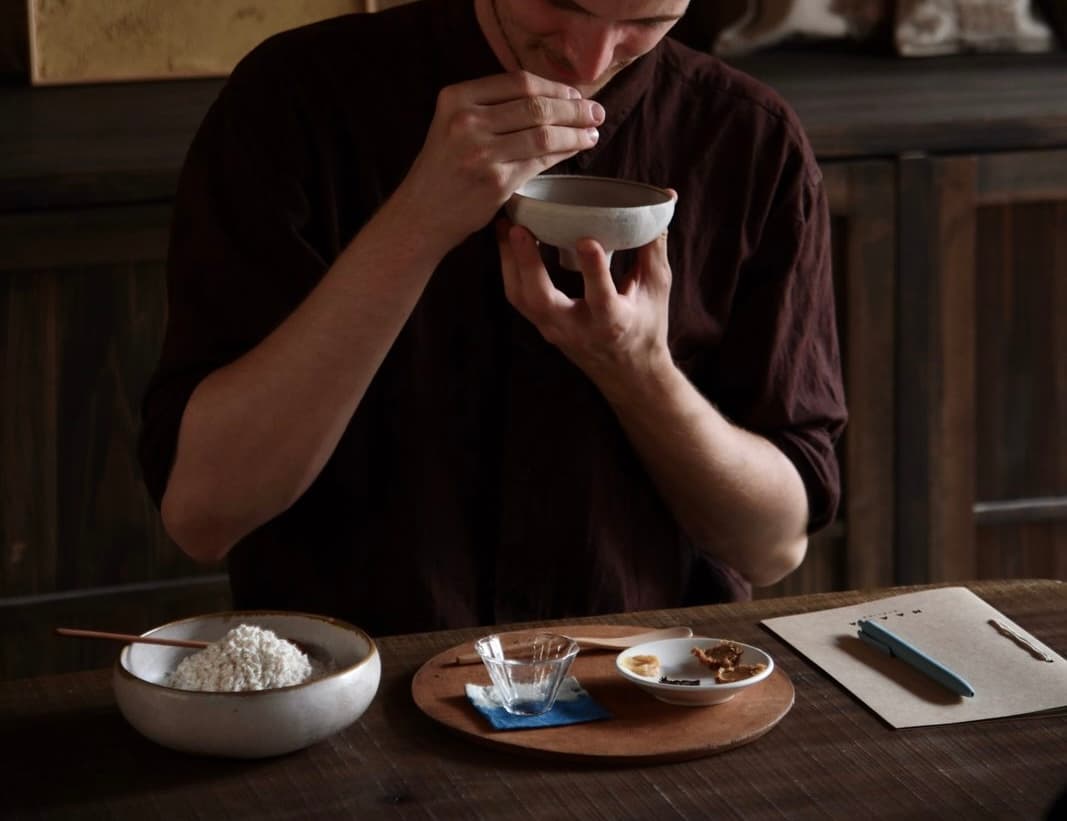
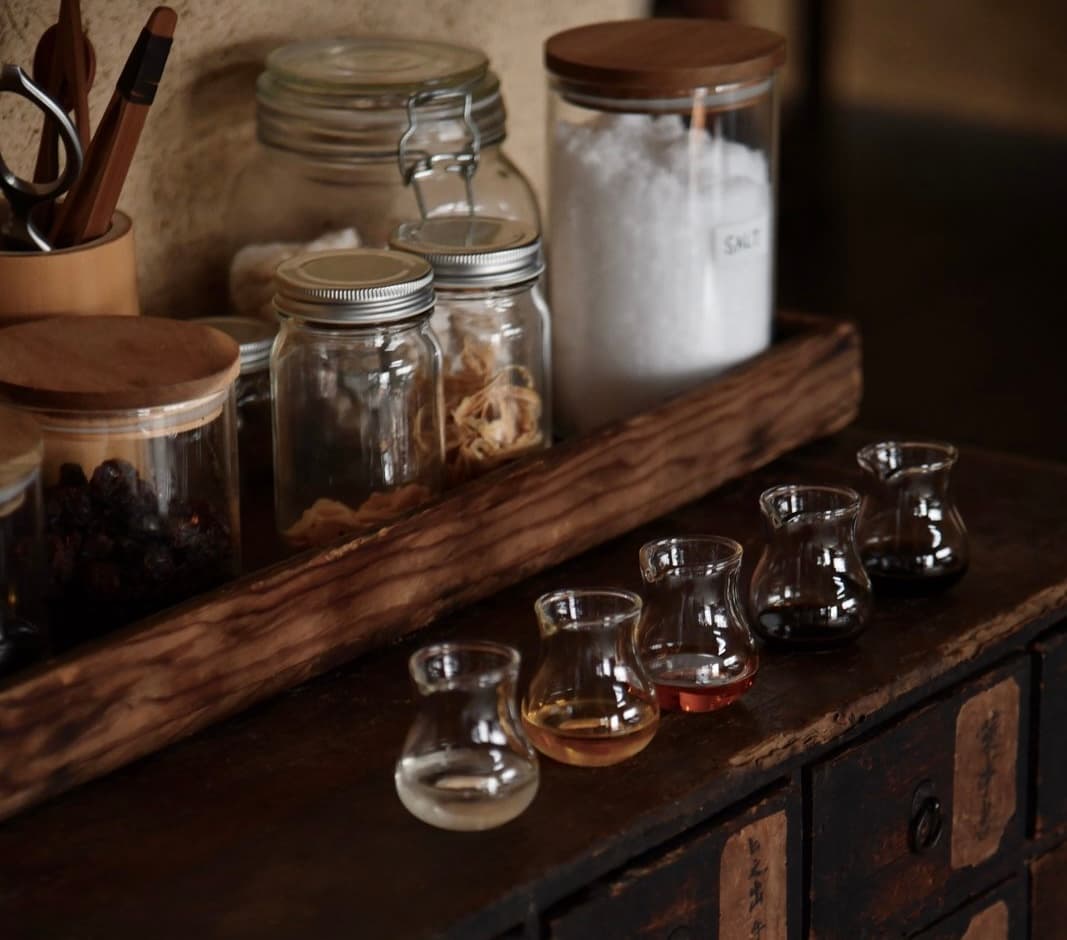
Smell and touch rice koji — the starter that drives miso, soy sauce, and saké. Taste a variety of koji-based seasonings.
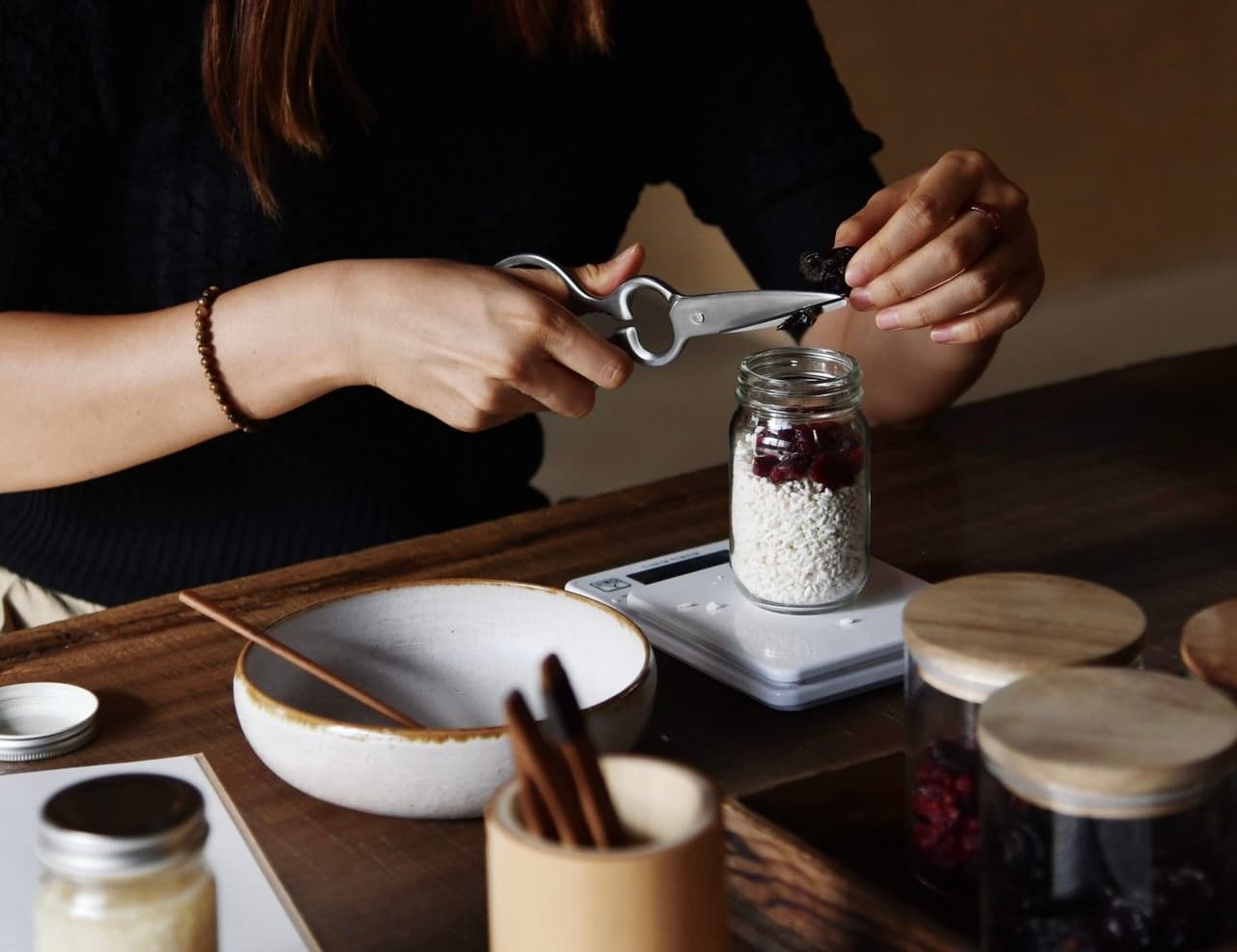
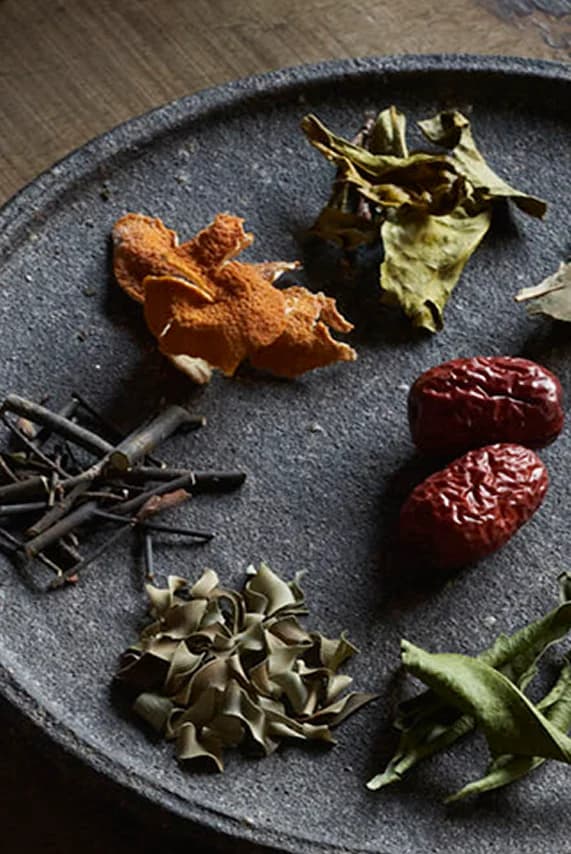
Combine koji with salt, soy sauce, dried fruit, and aromatic spices. Try your hand at creating two unique flavours.
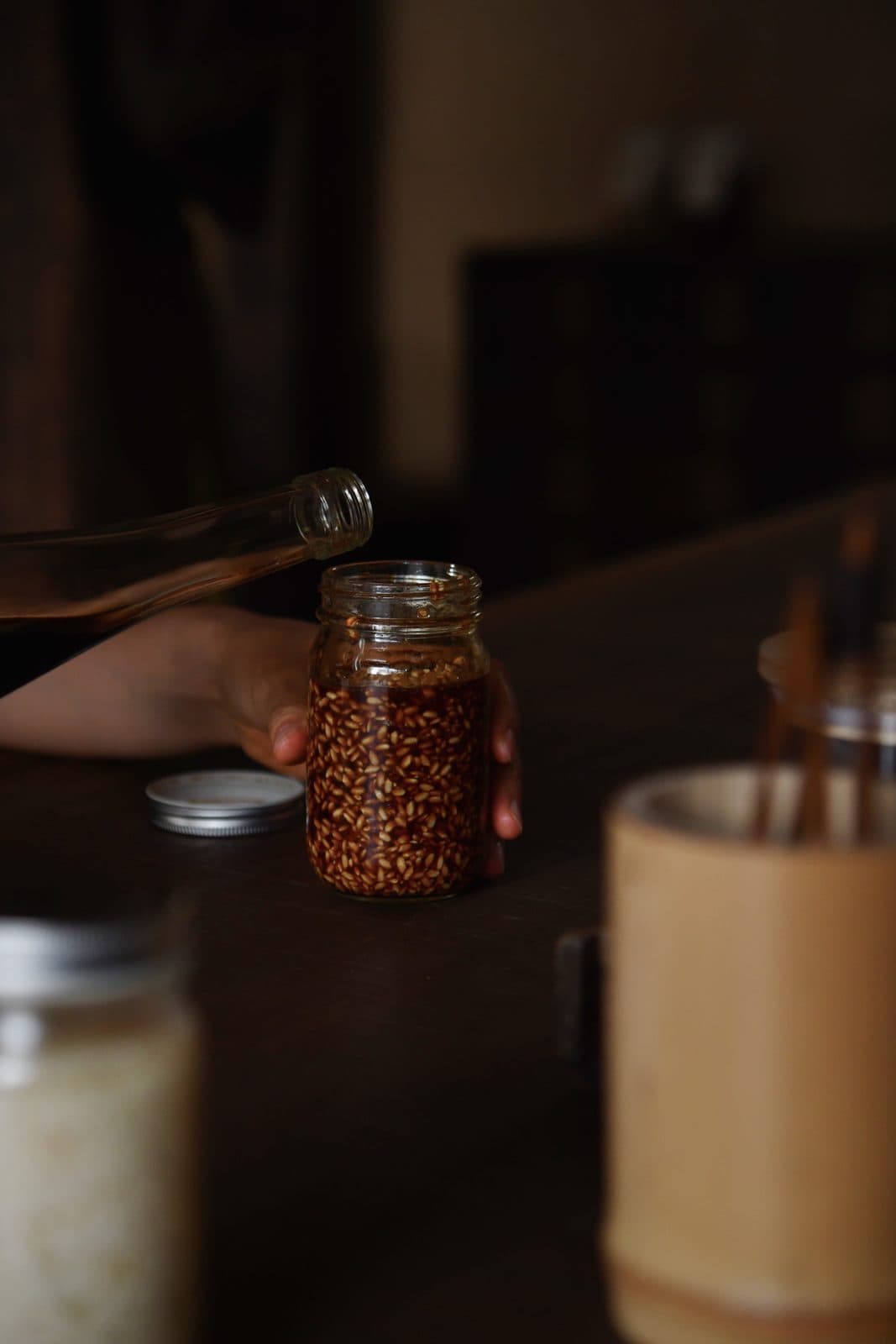
Ingredients go into a compact glass jar. Shake to mix and let the ingredients get to know each other, then label and pack for the journey home.
A few simple ways to put your jars to work — bright, fresh salads where shio-koji does the seasoning.
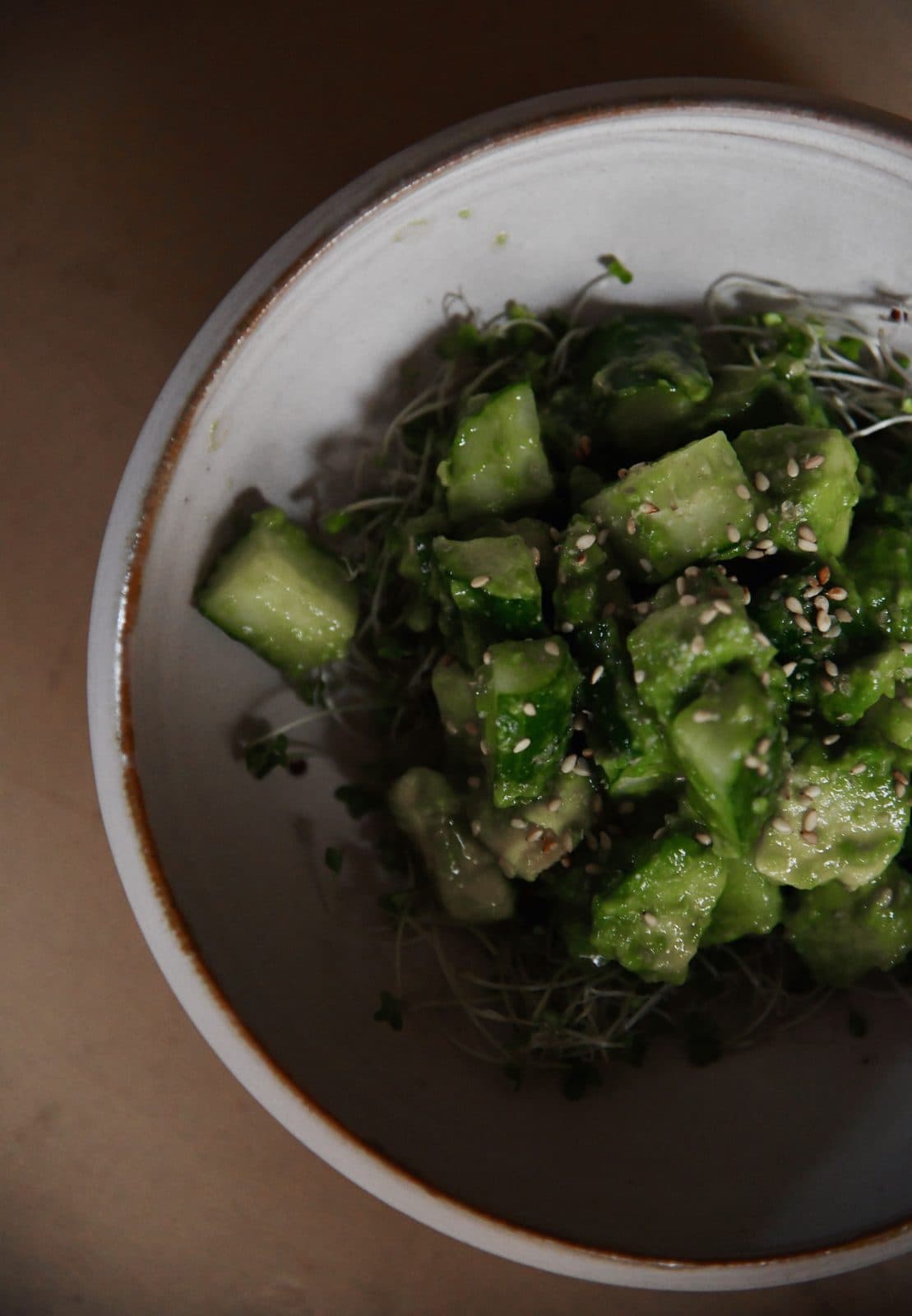
Toss and rest five minutes. The shio-koji softens the avocado and binds the cashews into a creamy dressing.
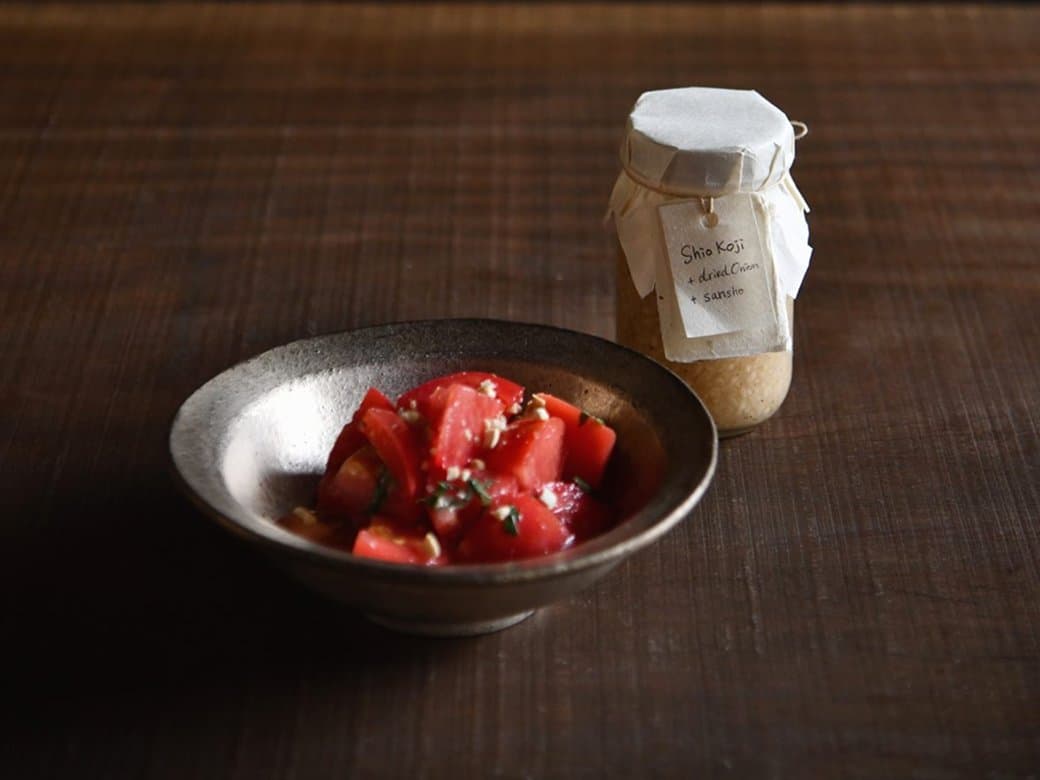
Dress just before serving. Shio-koji draws the sweetness from the tomatoes; basil and walnuts round it out.
すべて日本時間(JST · GMT+9)
Guests come for an afternoon and leave with two jars, but here’s what stuck with them after returning home.
One of the highlights of my stay in Kyoto. Our teacher’s background in anthropology and food science gave context to the cooking, and her warmth and enthusiasm were a pleasure. The setting was stunning.
Such a warm welcome at Maana Atelier. A thorough explanation of the different products, followed by a tasting session, then we made our own two koji cultures. Beautiful surroundings, focused atmosphere — we’d recommend it to everyone.
We did the fermented koji workshop and learned so much we can do in our own kitchen, while finding a deep appreciation for the art and tastes of fermented ingredients in Japanese cuisine. The workshop space was peaceful and stunning.
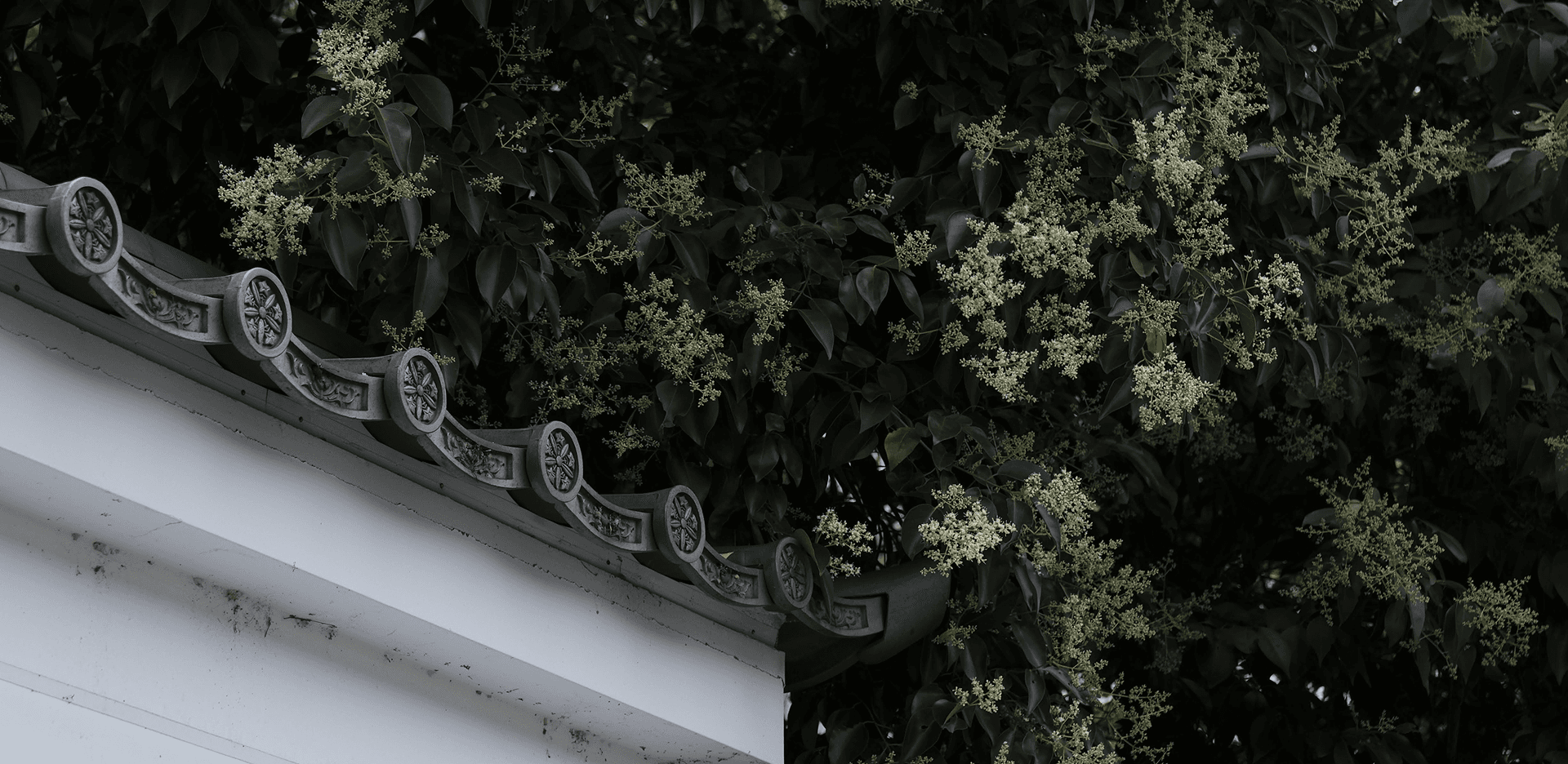
Kyoto runs at half-speed. Temple bells in the early hours. Shop curtains drifting at noon. The river quiet by dusk. The seasons change without asking permission — cherry, plum, maple, snow.
You arrive at Maana Atelier on a small street in Nishijin, the old weavers’ district. Inside, the machiya keeps its own air: cool stone, soft daylight, the smell of clay.
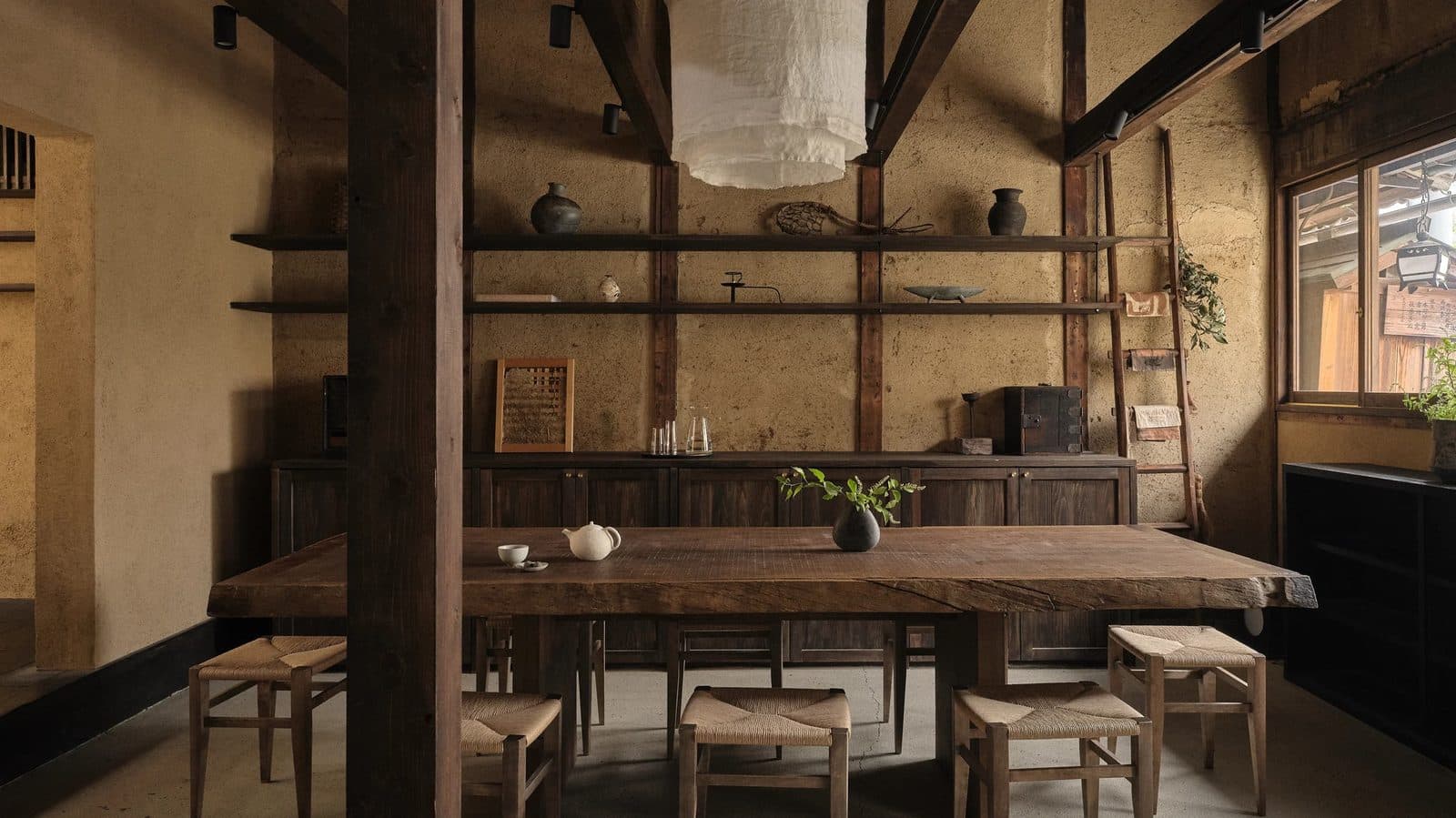
Maana アトリエは、Maana コミュニティに向けた新しい体験や試みを探求するための、多目的なスペースです。京町家の素朴な美しさと不完全さをそのまま生かして丁寧に改修した、ワークショップやイベントを通じて出会いと探求が生まれる場所です。
京都リサーチ・インスティテュートは、中村桃子の主導で設立されました。日本各地でのフィールドリサーチをもとに、食文化と食のシステムについて20年にわたり発信・教育を続けてきた中村の関心が活動の原点となっています。
現在は食を超えて、染織や住まいへと研究領域を広げています。日本の暮らしを支える一つひとつの柱が、同じ風土(テロワール)に根ざしているという理解のもとに。
材料はすべてご用意 ・ 開催日の7日前まで柔軟にキャンセル可能です。